

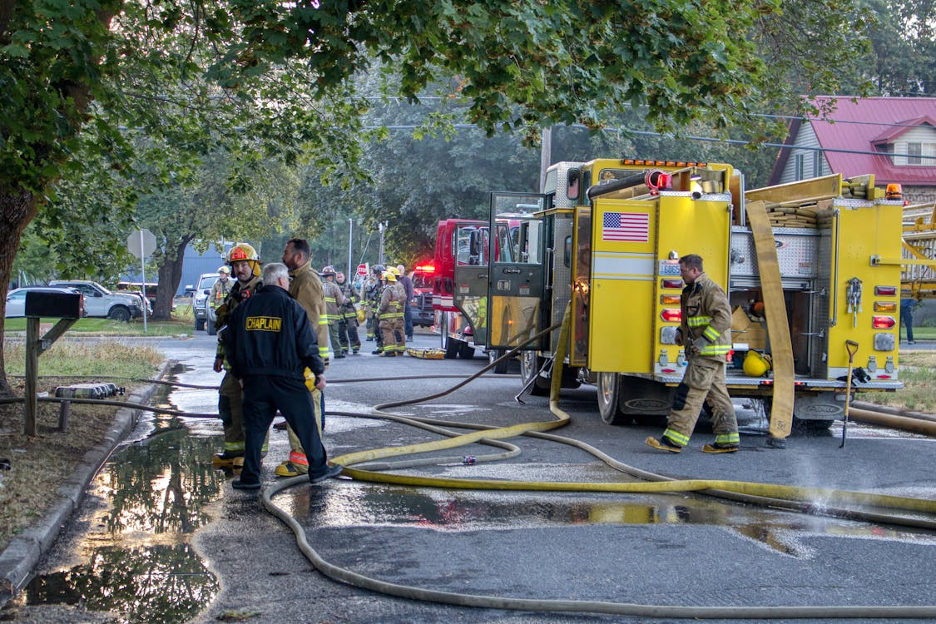
Every community depends on strong leadership during difficult times. Whether facing natural disasters, public health emergencies, humanitarian crises, or large-scale recovery efforts, people look to trained professionals for guidance and support. Crisis response careers have become increasingly important as communities around the world deal with unpredictable challenges that require quick action and careful planning.
Leadership in these situations goes beyond simply managing a team. Crisis response professionals must communicate clearly, stay calm under pressure, make informed decisions, and support people who may be experiencing fear or uncertainty. These responsibilities require a combination of technical knowledge and personal leadership skills that can only develop through training, education, and real-world experience.
As emergency preparedness and recovery efforts continue to evolve, many professionals are looking for ways to strengthen their leadership abilities before stepping into high-pressure roles. Education has become an important part of that process, helping individuals understand how to respond effectively while building the confidence needed to lead during challenging situations.
Why Leadership Training Matters in Crisis Response Careers
Crisis situations move quickly, and leaders are often expected to make important decisions with limited time and information. Whether responding to a hurricane, organizing emergency shelters, or supporting recovery efforts after a disaster, professionals in these roles must remain focused while guiding teams and communities through stressful circumstances.
Strong leadership helps emergency response efforts run more smoothly. Leaders often coordinate with healthcare workers, first responders, nonprofit organizations, government agencies, and volunteers at the same time. They must manage resources carefully, communicate updates clearly, and ensure that people affected by the crisis receive the support they need.
To prepare for these responsibilities, many professionals explore disaster management online programs that help develop leadership, communication, planning, and problem-solving skills needed in emergency response careers. Flexible online learning allows students and working professionals to strengthen their knowledge while continuing to manage personal and professional responsibilities.
Leadership training also helps individuals understand how different types of crises affect communities. Some emergencies require immediate action, while others involve long-term recovery and rebuilding efforts. Professionals who understand both short-term response and long-term planning are often better prepared to lead effectively during difficult situations.
In many crisis response roles, technical skills alone are not enough. Leaders must also know how to support teams emotionally, manage stress, and remain adaptable when situations change unexpectedly. These qualities can make a major difference in how recovery efforts are organized and how communities respond during emergencies.
Core Leadership Skills Needed for Crisis Response Roles
Leadership in crisis response requires a wide range of skills. While every emergency is different, there are several qualities that consistently help professionals lead effectively during challenging situations.
- Clear communication is one of the most important leadership skills during a crisis. Emergency response leaders must share accurate information quickly and calmly. This may involve speaking with emergency teams, local officials, healthcare providers, volunteers, and community members all at once.
- Poor communication can create confusion and delay important decisions. Strong leaders know how to provide updates clearly while keeping people informed and focused on recovery efforts.
- Emergencies rarely follow a predictable plan. Crisis response leaders often face changing conditions, limited resources, and unexpected problems. They must evaluate risks quickly and make decisions that protect both people and property.
- Problem-solving skills are especially important when dealing with large-scale emergencies that require fast coordination between multiple agencies and organizations.
- Crisis situations can be emotionally overwhelming for both survivors and response teams. Leaders who show empathy and emotional awareness often create stronger relationships within their teams and communities. Understanding how stress affects people allows leaders to communicate more effectively and support individuals who may be struggling emotionally during recovery efforts.
- No two emergencies are exactly alike. Leaders must be prepared to adjust plans when situations change unexpectedly. Weather conditions, supply shortages, staffing challenges, and shifting community needs can all affect response efforts.
Adaptable leaders remain calm and flexible while finding practical solutions under pressure.
The Role of Education in Developing Crisis Leadership Skills
Education plays a major role in preparing professionals for leadership positions in crisis response careers. While experience is valuable, structured learning helps individuals build a stronger understanding of emergency planning, public safety, humanitarian response, and recovery management.
Many educational programs focus on subjects such as disaster preparedness, public health response, community recovery, and risk assessment. These topics help students understand how emergencies affect both individuals and entire communities.
One of the biggest benefits of formal education is exposure to real-world case studies and simulations. Students often analyze past disasters to understand what worked well and where improvements could have been made. This type of learning encourages critical thinking and practical decision-making.
Online education has also made leadership training more accessible for working professionals. Flexible learning options allow students to continue building their skills while balancing careers, family responsibilities, and volunteer work.
Group discussions, collaborative projects, and leadership exercises also help students improve communication and teamwork abilities. Since crisis response work often involves coordination between multiple agencies and organizations, these experiences can be extremely valuable for future leaders.
Career Opportunities in Crisis Response and Emergency Leadership
Professionals with strong leadership and crisis management skills can pursue careers in many different fields. Emergency preparedness and recovery efforts are needed in healthcare, government agencies, nonprofit organizations, educational institutions, and humanitarian groups.
Some individuals work as emergency management coordinators, helping communities prepare for disasters before they happen. Others focus on humanitarian aid and recovery programs that support people affected by natural disasters, conflict, or public health emergencies.
Public health emergency planners help healthcare systems respond to disease outbreaks and other large-scale medical emergencies. Disaster recovery specialists often assist communities with rebuilding efforts after major storms, fires, or other emergencies.
Leadership skills are also valuable in nonprofit organizations and community outreach programs that focus on long-term recovery and support services. As global challenges continue to grow, professionals who understand crisis leadership are becoming increasingly important across many industries.
Challenges Crisis Response Leaders Commonly Face
Crisis response leadership comes with many challenges. Emergencies can be unpredictable, emotionally demanding, and physically exhausting. Leaders are often required to make important decisions while working under intense pressure.
One common challenge is managing limited resources during large-scale emergencies. Leaders may need to prioritize medical supplies, shelter space, transportation, or staffing based on immediate community needs.
Coordinating multiple agencies can also be difficult. Emergency response efforts often involve healthcare providers, local governments, volunteers, nonprofit organizations, and law enforcement teams working together at the same time.
Emotional stress is another major challenge. Crisis leaders regularly support people who have experienced loss, trauma, or uncertainty. Balancing emotional responsibilities while remaining professional and focused can be difficult, especially during long recovery periods.
Strong leadership plays a critical role in every stage of crisis response and recovery. From emergency preparedness to long-term rebuilding efforts, skilled leaders help communities stay organized, informed, and supported during difficult times.
As communities continue facing new challenges around the world, the demand for compassionate and capable crisis response leaders will only continue to grow. Those who invest in developing their leadership skills today can make a meaningful difference in helping people recover, rebuild, and move forward during times of crisis.


