

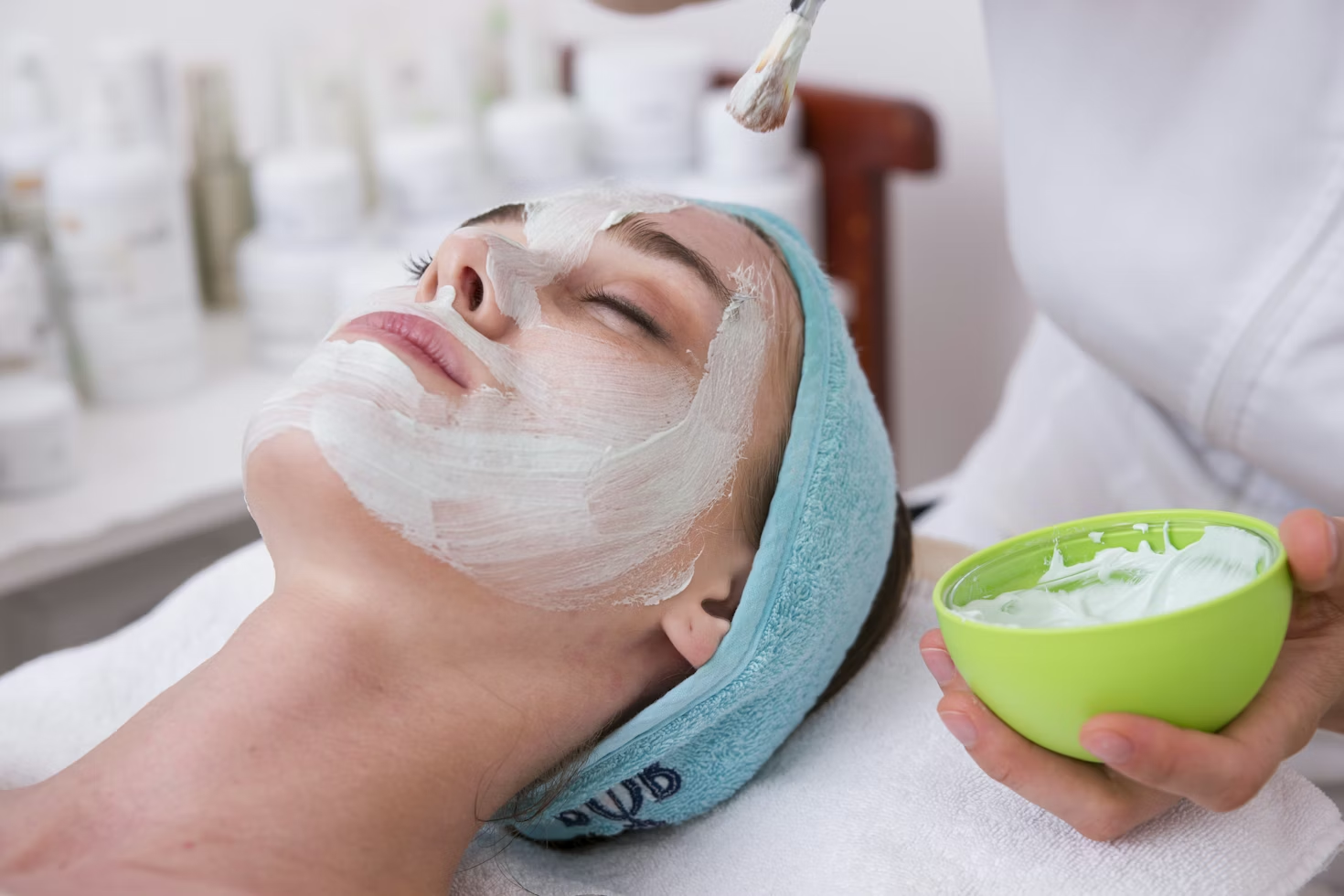
Modern cosmetic medicine has created effective ways to refresh the face without surgery, long recovery periods, or dramatic changes. Patients researching treatment options often review providers such as Awaken Aesthetics because their facial rejuvenation services demonstrate how science-based non-surgical methods can improve skin quality, soften lines, and restore a balanced appearance. These treatments rely on anatomy, tissue response, and controlled stimulation rather than invasive surgical alteration.
How Aging Changes the Face
Facial aging is influenced by several biological processes that happen gradually over time. Collagen and elastin production slows down, which reduces firmness and elasticity in the skin. At the same time, repeated facial movement can create expression lines that become more visible.
Volume loss also plays an important role in how the face changes. Fat pads beneath the skin shift or shrink, which can create hollowness in the cheeks, temples, and under-eye area. Bone structure changes over the years may further reduce support, making features appear less defined.
The Role of Injectable Treatments
Injectable neuromodulators are commonly used to relax targeted facial muscles that cause dynamic wrinkles. These treatments work by limiting the nerve signals that trigger repeated contractions in areas such as the forehead and around the eyes. When the muscles relax, the skin above them appears smoother.
Dermal fillers focus on restoring lost volume and enhancing facial contours. Many modern fillers use hyaluronic acid, a substance naturally found in the body that attracts water and adds hydration. When placed strategically, fillers can support cheeks, soften folds, and improve facial balance while maintaining natural movement.
Stimulating Collagen for Long-Term Results
Some non-surgical treatments are designed to encourage the body to rebuild collagen. Microneedling creates controlled micro-injuries in the skin, triggering a repair response and supporting new collagen formation. Over time, this can improve texture, fine lines, and the appearance of minor scars.
Energy-based devices such as radiofrequency and certain laser systems also promote remodeling beneath the surface. Heat delivered at precise depths stimulates tissue tightening and collagen renewal. Results often develop gradually, which appeals to patients who want subtle improvements that appear natural.
Why Skin Quality Matters
Rejuvenation is not only about wrinkles or volume loss. Uneven tone, sun damage, enlarged pores, and rough texture can make skin look tired even when the facial structure remains strong. That is why many treatment plans combine structural correction with skin-focused procedures.
Chemical peels, light resurfacing, and medical-grade skincare products help accelerate cell turnover and improve clarity. Ingredients such as retinoids, antioxidants, and pigment-correcting compounds are supported by clinical research. Better skin quality often enhances the outcome of other aesthetic treatments.
Personalization and Facial Anatomy
The most successful results come from personalized treatment planning rather than copying trends. Every face has unique proportions, muscle strength, skin thickness, and aging patterns. A skilled provider evaluates these factors before recommending any procedure.
Understanding anatomy is essential because facial nerves, blood vessels, and support structures vary by treatment area. Proper placement technique improves both safety and appearance. This medical approach helps create refreshed results that still look like the patient.
The Importance of Gradual Enhancement
One reason non-surgical rejuvenation remains popular is the ability to build results over time. Small adjustments can be made across multiple visits rather than a single major procedure. This allows patients to respond to changes gradually and maintain control over their appearance.
Maintenance plans also help preserve outcomes. Since aging continues, repeat treatments at appropriate intervals can support consistent improvement. Preventive care may reduce the need for more intensive correction later.
Conclusion
The science behind non-surgical facial rejuvenation treatments combines biology, anatomy, and advanced technology to address common signs of aging with precision. Whether the goal is smoother skin, restored volume, or improved tone, modern options can deliver noticeable yet natural-looking changes when guided by qualified professionals. As research and techniques continue to evolve, these treatments will remain an important part of evidence-based aesthetic care.
