

ClinicalGate | Healthcare Operations & Medical Technology
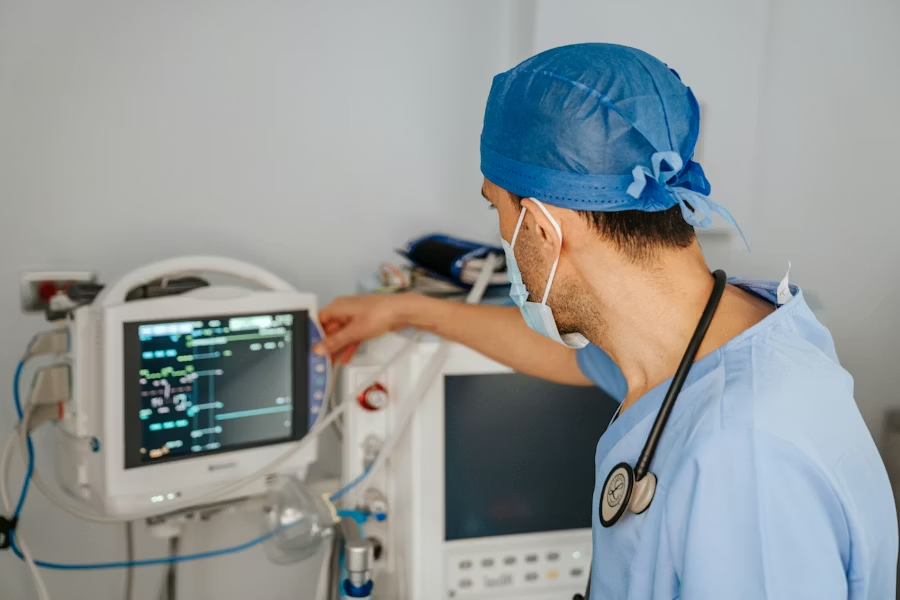
Clinical documentation has always been a core responsibility of medical practice. Accurate, complete records are essential for continuity of care, billing accuracy, regulatory compliance and patient safety.
However, the transition to electronic health records (EHRs) over the past two decades has substantially increased the documentation burden placed on physicians. Tasks that were once handled by dedicated administrative staff have migrated toward the clinician, consuming time that would otherwise be spent in direct patient care.
The consequences of this shift are well documented in the medical literature and have prompted growing interest in structural solutions, including the expanded use of remote medical scribes.
The Growing Burden of Administrative Tasks
Physicians in the United States now spend approximately half of their working hours on administrative tasks, with EHR documentation representing the largest single component of that time, according to multiple published studies including a 2016 analysis by Sinsky et al. in the Annals of Internal Medicine.
For every hour of direct patient care, physicians spend nearly two hours on EHR-related documentation. This ratio has prompted concerns at both the individual and health system level, with burnout rates among physicians reached a record 62.8% in 2021 and remain above 40% overall, with some specialties such as emergency medicine still approaching 50%, according to AMA data.
The relationship between documentation burden and physician burnout is well established. A 2022 systematic review published in the Journal of Medical Internet Research identified EHR-related workload as a consistent predictor of emotional exhaustion and reduced professional satisfaction across multiple physician groups.
Beyond the individual impact, excessive documentation burden has measurable system-level consequences. Practices with higher administrative loads see reduced patient throughput, longer appointment wait times and lower rates of preventive care delivery.
Improving Healthcare Efficiency Through Documentation Support
Reducing unnecessary administrative burden on clinical staff is one of the most actionable levers available to healthcare operations leaders.
Structured operational frameworks focused on healthcare efficiency consistently identify documentation workflow redesign as a high-impact intervention area.
Workflow redesign, template optimisation and task delegation strategies have all demonstrated benefit in published quality improvement literature. Among these interventions, the deployment of medical scribes has generated a consistent evidence base for reducing documentation time and improving physician satisfaction.
A 2017 study published in the Journal of General Internal Medicine found that physicians supported by medical scribes saw an average reduction in documentation time of 27%, alongside improvements in patient throughput and reported work satisfaction.
The evidence supports scribe use as a structurally sound intervention rather than a supplementary convenience. For practices experiencing high documentation loads, it represents a well-documented pathway toward reclaiming clinical time.
The Role of Medical Scribes in Modern Healthcare
Medical scribes are trained personnel who accompany physicians during patient encounters, recording clinical findings, physician assessments and orders in real time within the EHR.
Their primary function is to allow the physician to maintain eye contact and engagement with the patient while the documentation responsibility is handled concurrently. This reduces the likelihood of after-hours chart completion, known colloquially as “pajama time,” which is strongly associated with burnout and reduced work-life satisfaction.
Traditionally, scribes were deployed in-person within clinical settings. The emergence of remote medical scribes, who participate in consultations via secure audio or video connection, has expanded the model considerably.
Remote scribes offer practices access to trained documentation support without the overhead associated with on-site staff. They operate across specialties including emergency medicine, primary care, orthopaedics and internal medicine.
Remote Medical Scribe Services in Practice
For practices evaluating outsourced documentation support, selecting a provider with structured training, quality oversight and EHR compatibility is a primary consideration.
Wing Assistant is one provider in this category, offering structured remote medical scribe services that integrate into existing clinical workflows across multiple EHR platforms. For healthcare administrators comparing options in this space, the key evaluation criteria include documentation accuracy rates, scribe training depth, HIPAA compliance infrastructure and responsiveness to specialty-specific documentation requirements.
The deployment of remote scribes through providers such as Wing Assistant addresses the core problem of documentation burden without requiring significant changes to clinical workflow. The physician conducts the encounter as normal while a trained scribe handles concurrent documentation, with a final review step before note completion.

Benefits for Physicians and Healthcare Systems
The clinical and operational benefits of medical scribe programmes are supported by a growing body of evidence.
Studies consistently report improvements in physician satisfaction and reductions in self-reported burnout following scribe deployment. A 2018 study published in JAMA Internal Medicine found that physicians using scribes reported significantly higher levels of job satisfaction and were less likely to report symptoms of emotional exhaustion.
From an operational perspective, scribe support is associated with increased patient volume per session and improved revenue capture through more complete and accurate documentation. Incomplete documentation remains a significant contributor to billing errors and claim denials across practice settings.
Patient experience outcomes also show improvement in practices using scribes. When physicians are freed from concurrent documentation, they maintain greater eye contact, conduct more thorough examinations and demonstrate improved communication quality during the encounter.
Challenges and Considerations
Remote medical scribe programmes are not without implementation considerations.
Privacy and data security are the most significant concerns. All remote scribe arrangements must operate within HIPAA-compliant frameworks, with encrypted audio or video transmission, secure data handling protocols and clearly defined business associate agreements.
Patient consent is a standard requirement before any third-party participation in a clinical encounter. Clear communication to patients about the role of the scribe and how documentation is handled is essential for maintaining trust and regulatory compliance.
Training quality varies across scribe providers. Practices should verify that scribes have received structured training in medical terminology, EHR navigation and specialty-specific documentation requirements relevant to their patient population.
There is also an adaptation period for both physicians and scribes when a new programme begins. Evidence suggests that documentation quality and efficiency typically stabilise within four to six weeks as workflows become established.
The Future of Clinical Documentation
The clinical documentation landscape is evolving across multiple fronts.
Remote medical scribes represent the current evidence-based standard for physician documentation support.
Alongside this, ambient AI documentation tools, which use automatic speech recognition and natural language processing to generate clinical notes from recorded consultations, are under active evaluation in academic and community settings.
Early published data on ambient AI scribes are promising in terms of documentation time reduction. However, current evidence also identifies concerns around note accuracy, specialty-specific consistency and the need for robust physician oversight before AI-generated notes are finalised.
For most healthcare practices in the near term, the combination of trained human scribes and selective use of documentation support technology represents the most clinically and operationally defensible approach.
The underlying objective remains constant regardless of the tools deployed: to ensure that documentation serves its primary purpose as an accurate clinical record while minimising the administrative burden placed on the physicians responsible for delivering care.
Conclusion
The documentation burden on physicians is a well-evidenced and growing problem with direct implications for clinician wellbeing, patient care quality and healthcare system efficiency.
Remote medical scribes offer a practical, evidence-supported intervention that addresses this burden in a scalable and compliant manner. As the healthcare sector continues to explore both human and technology-based solutions, the fundamental priority remains unchanged ; returning clinical time to the clinician and administrative time to appropriate support functions.
Practices considering documentation support programmes should evaluate providers based on their training infrastructure, compliance frameworks and track record across relevant specialties.
