

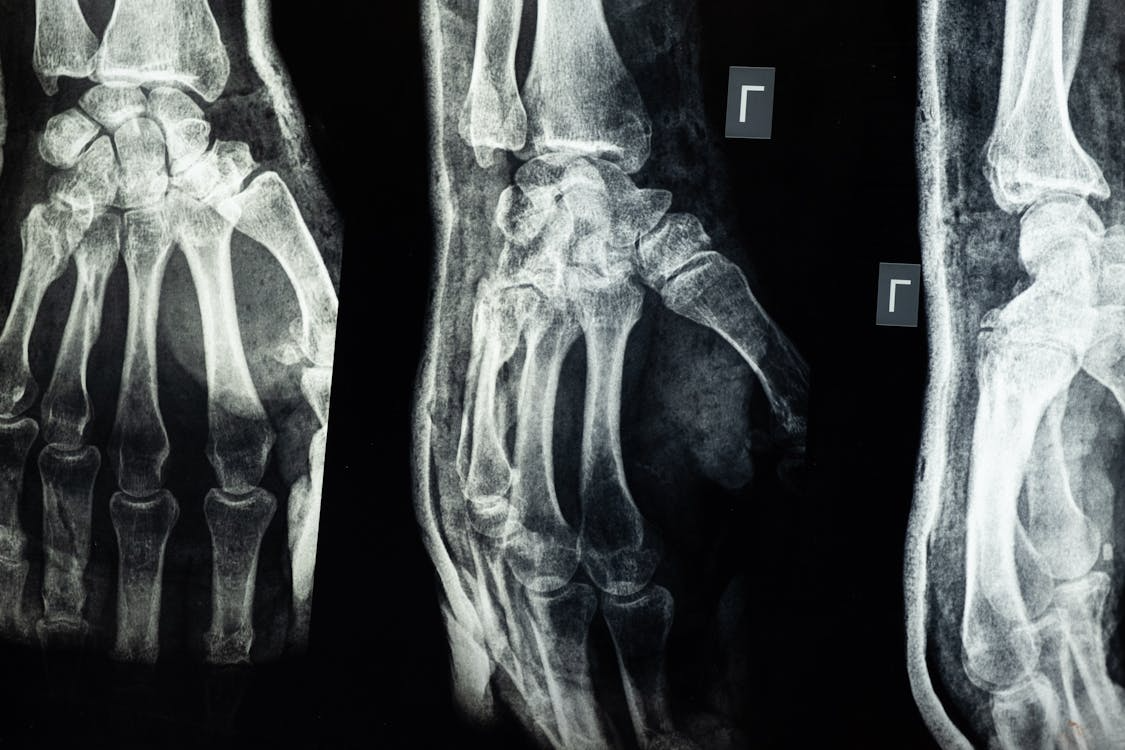
Emergency departments across the United States see over 6.2 million fracture cases annually, according to the CDC’s 2023 injury surveillance data — yet research suggests that up to 10% of fractures are initially missed or misdiagnosed during the first medical encounter. As healthcare systems face mounting pressure to reduce wait times and streamline patient flow, the window for thorough evaluation continues to shrink. Meanwhile, advances in imaging technology have created a false sense of diagnostic certainty, leading some practitioners to rely heavily on initial X-rays that may not reveal subtle bone damage.
For patients experiencing persistent pain after what seemed like a minor injury, this diagnostic gap can mean weeks or months of worsening symptoms before the true extent of their injury becomes clear. Understanding why fractures slip through the diagnostic net — and recognizing the warning signs that suggest a hidden break — becomes crucial for anyone navigating an injury that isn’t healing as expected.
What Makes Subtle Fractures Difficult to Diagnose
The challenge of detecting certain fractures extends far beyond simple oversight. Stress fractures, hairline breaks, and incomplete fractures often present with symptoms that closely mimic soft tissue injuries, creating a diagnostic maze that even experienced clinicians find challenging to navigate.
Standard X-rays, while excellent for identifying obvious breaks, miss approximately 15-20% of fractures during initial imaging. The technology works by detecting density differences in bone structure, but hairline cracks — particularly those running parallel to the X-ray beam — may not create enough contrast to appear on the film. This limitation becomes especially problematic in areas like the ribs, where overlapping structures can obscure subtle fractures, or in the spine, where compression fractures may appear as minor height loss rather than clear breaks.
Physical examination presents its own diagnostic hurdles. Consider a patient who twisted their ankle during a weekend soccer game and arrives at urgent care with moderate pain and some swelling. The standard stress tests for ligament damage might be negative, and the patient can bear some weight — classic signs pointing toward a sprain rather than a fracture. However, a fifth metatarsal fracture in the foot could present with nearly identical symptoms, particularly if the break is incomplete or non-displaced.
The timing of evaluation also affects diagnostic accuracy. Fractures examined within the first few hours after injury may not yet show the inflammatory response and localized swelling patterns that develop over the following 24-48 hours. Conversely, patients who wait several days before seeking care may have swelling that obscures anatomical landmarks, making it difficult for clinicians to pinpoint areas of maximum tenderness — a key diagnostic indicator.
Patient presentation adds another layer of complexity. Some individuals have naturally high pain tolerance and report symptoms that seem inconsistent with the actual extent of their injury. Others may focus on the most dramatic aspects of their injury — a large bruise or dramatic swelling — while downplaying the specific, localized pain that often indicates bone damage.
How Undiagnosed Fractures Typically Present Clinically
Persistent Pain and Swelling as Warning Signs
The hallmark of an undiagnosed fracture lies in pain that refuses to follow the typical healing trajectory of soft tissue injuries. While a sprained ankle or pulled muscle generally shows noticeable improvement within 48-72 hours of injury, fracture pain tends to remain constant or even worsen during the first week, particularly with weight-bearing or movement.
This persistent pain typically has distinct characteristics that differentiate it from other injuries. Patients often describe it as a deep, aching sensation that intensifies with specific movements rather than the broader, more diffuse discomfort associated with muscle strains. The pain may be particularly pronounced during activities that load the bone — walking on a foot fracture, gripping objects with a hand fracture, or coughing with rib fractures.
Swelling patterns provide additional diagnostic clues. Unlike the generalized swelling that occurs with soft tissue injuries, fracture-related swelling tends to be more localized and may persist longer than expected. A wrist fracture, for instance, might cause swelling that concentrates around the fracture site rather than spreading uniformly across the entire joint area. This swelling often feels firmer to the touch and may not respond as readily to elevation and ice as typical inflammatory swelling would.
Bruising and Limited Mobility Indicating Hidden Fractures
Bruising associated with undiagnosed fractures often appears in unexpected patterns that don’t align with the mechanism of injury. A seemingly minor fall might result in significant bruising that extends beyond the initial impact site — a phenomenon that occurs when bleeding from the fracture site spreads through tissue planes. This type of bruising may take 24-48 hours to become fully visible and often has a deeper, more intense coloration than typical contusion bruising.
Mobility limitations provide perhaps the most reliable indicator of hidden bone damage. Patients with undiagnosed fractures typically develop protective movement patterns — unconsciously avoiding certain motions or positions that stress the injured bone. Someone with an undiagnosed rib fracture might find themselves unable to take deep breaths or laughing without sharp pain, while a person with a foot fracture may develop a subtle limp or favor one leg without realizing it.
The key distinguishing factor is that these mobility restrictions persist or worsen over the first few days after injury, rather than gradually improving as would be expected with soft tissue damage. Many patients report that they initially thought they could “work through” the injury but found themselves increasingly limited as time passed.
Common Causes and Risk Factors for Missed Fractures

Certain types of fractures are inherently more likely to escape initial detection due to their location, mechanism of injury, or the patient populations they typically affect. Stress fractures top this list, as they develop gradually through repetitive loading rather than acute trauma, often lacking the dramatic presentation that prompts immediate medical attention.
Athletes and active individuals face particular risk for missed fractures, not because their bones are more fragile, but because their high activity levels can mask the severity of symptoms. A runner experiencing shin pain might attribute it to overtraining rather than recognizing the signs of a tibial stress fracture. Similarly, weekend warriors who push through discomfort may miss the early warning signs of bone injury.
Elderly patients represent another high-risk group, though for different reasons. Age-related changes in bone density mean that relatively minor trauma — such as a fall from standing height — can cause fractures that might not occur in younger individuals. Additionally, many older adults take medications that can affect pain perception or have conditions like arthritis that make it difficult to distinguish new injury pain from chronic discomfort.
Certain anatomical locations are more prone to diagnostic delays. Fractures of the scaphoid bone in the wrist, for instance, are notoriously difficult to detect on initial X-rays and may not become visible until follow-up imaging performed weeks later. Hip fractures in elderly patients sometimes present as groin or knee pain rather than obvious hip symptoms, leading to delays in diagnosis.
The mechanism of injury also influences diagnostic accuracy. High-energy trauma — such as motor vehicle accidents — typically receives thorough evaluation with multiple imaging studies. However, when patients experience complex injuries that require ongoing care and legal support, consulting with medical injury lawyers early in the process can help ensure that all injuries are properly documented and addressed. In contrast, seemingly minor incidents like stepping off a curb wrong or lifting a heavy object are more likely to result in missed diagnoses.
Long-Term Risks of Leaving Fractures Undiagnosed
The consequences of undiagnosed fractures extend far beyond the immediate discomfort, potentially creating lasting health problems that can persist for years. When bones heal without proper alignment or stabilization, the result is often malunion — a condition where the fracture heals in an incorrect position, leading to permanent changes in bone shape and function.
Nonunion represents an even more serious complication, occurring when broken bone ends fail to heal together despite adequate time passage. This particularly affects fractures with poor blood supply, such as scaphoid fractures in the wrist or certain hip fractures in elderly patients. Without proper immobilization and treatment, these fractures may never heal naturally, requiring eventual surgical intervention that could have been avoided with timely diagnosis.
Chronic pain syndromes frequently develop from untreated fractures, especially when the injury affects weight-bearing bones or joints. A missed foot fracture, for example, can lead to altered gait patterns that place abnormal stress on other parts of the body, potentially causing secondary problems in the knees, hips, or lower back. These compensatory changes often become permanent if allowed to persist for months.
Joint complications represent another serious long-term risk. Fractures that extend into joint spaces — called intra-articular fractures — require precise reduction to maintain smooth joint surfaces. When these injuries go undiagnosed and untreated, irregular healing can create rough joint surfaces that accelerate cartilage wear, leading to early-onset arthritis that might not have developed with proper treatment.
The psychological impact of prolonged undiagnosed pain shouldn’t be underestimated. Patients often begin to doubt their own assessment of their symptoms when healthcare providers repeatedly reassure them that “nothing is broken” despite persistent discomfort. This can lead to delayed seeking of additional medical care and, in some cases, long-term anxiety about future injuries.
Methods to Improve Early Detection and Diagnosis
Advances in Imaging Techniques for Hidden Fractures
Modern diagnostic imaging has evolved significantly beyond traditional X-rays, offering multiple tools for detecting subtle fractures that might otherwise remain hidden. MRI technology has become particularly valuable for identifying stress fractures and bone bruises that don’t show up on conventional radiographs. The technique’s ability to visualize soft tissues alongside bone structure provides a more complete picture of injury extent and can detect early changes in bone marrow that precede visible fracture lines.
CT scanning offers superior detail for complex fractures, particularly in areas where overlapping structures make X-ray interpretation challenging. The technology’s ability to create cross-sectional images allows clinicians to identify fractures that run parallel to standard X-ray views — a common reason for missed diagnoses in traditional imaging.
Bone scintigraphy, though less commonly used in emergency settings due to time requirements, provides exceptional sensitivity for detecting occult fractures. The technique identifies areas of increased bone turnover that occur at fracture sites, making it particularly useful for stress fractures that may not be visible on other imaging modalities for several weeks after symptom onset.
Using Clinical Evaluation and Patient History Effectively
The foundation of improved fracture detection lies in thorough clinical evaluation that goes beyond relying solely on imaging results. Experienced practitioners increasingly emphasize the importance of mechanism-specific examination, tailoring their physical assessment based on how the injury occurred and which anatomical structures were likely stressed.
Patient history gathering has become more sophisticated, with clinicians now recognizing the diagnostic value of seemingly minor details. Questions about pain patterns — whether discomfort is constant or intermittent, which specific movements trigger symptoms, and how pain levels change throughout the day — provide crucial information that can suggest occult fractures even when imaging appears normal.
The concept of clinical suspicion has gained renewed importance in emergency medicine and orthopedics. When patient symptoms and examination findings suggest possible fracture despite negative initial imaging, many practitioners now advocate for protective treatment and follow-up evaluation rather than immediate discharge. This approach acknowledges that clinical judgment remains irreplaceable, even in an era of advanced imaging technology.
Future fracture detection will likely involve integrating multiple diagnostic modalities rather than relying on any single test. The combination of thorough clinical evaluation, targeted imaging based on specific clinical findings, and patient-centered follow-up protocols promises to reduce the number of missed fractures while avoiding unnecessary radiation exposure and healthcare costs.


