

I once saw a Melbourne physio clinic spend $40,000 on plate-loaded rigs for a first-floor tenancy. A month later, the building manager shut the area because no one had checked the floor load rating.
That mistake is common. Start with the people you serve, then the programs you run, then the building that has to support it all.
That order protects cash, reduces compliance risk, and helps you buy gear people will actually use.
Key Takeaways
A short checklist keeps you from buying on impulse.
- Map users before you open a catalogue. Australia’s adult movement guidelines recommend muscle-strengthening activity on two or more days a week for adults aged 18 to 64, while older adults also need balance and mobility work.
- Validate the floor first. Design references to AS/NZS 1170.1 commonly use a 5 kPa live load for gym areas, but heavy racks and drop zones still need sign-off from a structural engineer.
- Score each item the same way. Rate duty cycle, or daily use capacity, plus parts access, warranty, local service, and five-year total cost of ownership, or TCO.
- Check powered units for the RCM. The Regulatory Compliance Mark shows that the equipment meets Australian electrical compliance requirements.
- Plan for end-of-life early. Victoria bans e-waste from landfill, so powered units need approved recycling when you replace them.
- Use suppliers with local support. A showroom lets you test fit, noise, and lead times before you commit.
Build an Equipment Mix Plan First
A simple plan turns a wish list into a working room.
An equipment mix plan links your target users and program goals to the minimum set of machines, free weights, and accessories you need. It starts with people, programs, and place, then ends with a list, a layout, and a real budget.
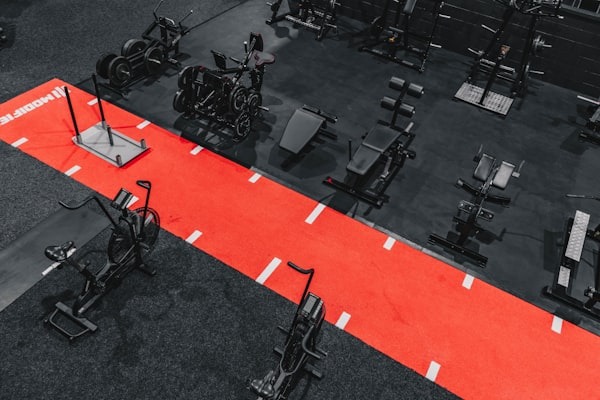
Know a few terms before you compare quotes. Duty cycle means the hours a unit can handle each day. Total cost of ownership, or TCO, includes purchase, installation, power, maintenance, and downtime. Selectorized machines use weight stacks, while plate-loaded stations use loose plates.
Plan Before You Buy
Planning first cuts waste and makes the room safer from day one.
Fewer Capital Mistakes and Faster Payback
Right-size the mix around actual use, not brochure photos. One small clinic replaced two underused treadmills with a rower and an air bike in a 50 square metre room. Throughput improved, and service calls fell.
Under Australian Consumer Law, consumer guarantees apply even when the written warranty is limited. That makes supplier quality just as important as sticker price.
Safety and Compliance Built In
Victoria requires employers to manage risks from hazardous manual handling under the OHS Act 2004 and OHS Regulations 2017. Early planning gives you time to set delivery procedures, check RCM compliance on powered consoles, confirm floor loads, and record manual-handling training before heavy units arrive.
Better Outcomes and Stronger Retention
People keep using equipment that matches their needs. Low step-up recumbent bikes suit older users who need stable access. Cable columns with small weight jumps work well for rehab progressions, while racks with safety arms help novice lifters train with confidence.
Choose Gear That Fits the Room
The best machine is the one that fits your users, your noise limits, and your floor.
Cardio That Matches Traffic
Choose modes that suit your cohort and the sound profile of the building. Low step-up frames help older adults, while self-powered units can make upper floors easier to manage. Check belt size, incline range, and continuous-duty motor ratings.
Rowers and air bikes can cover both interval sessions and clinical progressions, which is useful when floor space is tight. One versatile unit can beat two specialised machines that sit idle.
Strength That Matches Supervision
Selectorized stations are easy to learn and quick to adjust. Plate-loaded stations give stronger users more headroom but increase manual handling. If your staff spend half the day coaching beginners, easy setup usually wins.
For free weights, plan storage and safety first. A half rack with safeties, plate trees, and deadlift tiles will solve more day-to-day problems than an extra bench.
Functional Gear and Flooring
Keep this area modular. An adjustable cable column, medicine balls, plyo boxes, resistance bands, and a mobility kit cover most programs without locking you into one training style.
Treat the floor as part of the equipment list. In many rooms, 10 to 15 mm rubber tiles suit general areas, while drop zones need thicker composite underlay and vibration control under racks.
Power, Data, and Compliance
Powered units should show the RCM. Plan dedicated circuits for treadmills, route data cables away from walkways, and check that console updates can run offline if Wi-Fi is unreliable. Good cable management is a safety step, not a finishing touch.
| Factor | Home Grade | Commercial Grade |
|---|---|---|
| Daily use hours | 1 to 3 | 8 to 16 |
| Warranty, frame | 2 to 5 years | 10 years to lifetime |
| Parts availability | Limited local stock | Local warehouse or next-day |
| Service network | DIY or mail-in | On-site technicians |
| 5-year TCO | Lower upfront, higher risk | Higher upfront, lower lifecycle cost |
Vet Suppliers Like Long-Term Partners
Your supplier should solve problems after install, not just on quote day.
Look for local parts stock, certified installers, clear response times, and preventive maintenance plans. Ask whether the install scope includes delivery path checks, upstairs moves, anchoring, and torque checks. Those details matter when a tenancy has tight lifts, shared corridors, or acoustic limits. If you also want a Melbourne showroom with floor planning help and after-sales support, see gym equipment Melbourne.
A local showroom is still worth the trip. Test ergonomics for your smallest and largest users, listen for noise at different speeds, and try the console with tired hands. A showroom such as Kinta Fitness can make that process easier.
Refurbished units can work for low-risk stations, but check meter hours, replaced wear parts, remaining support, and frame condition before you buy. A cheap unit is not a bargain if it sits dead for two weeks while you wait for parts.
Track Results After Install
If you do not measure use and uptime, you cannot tell whether the room is working.
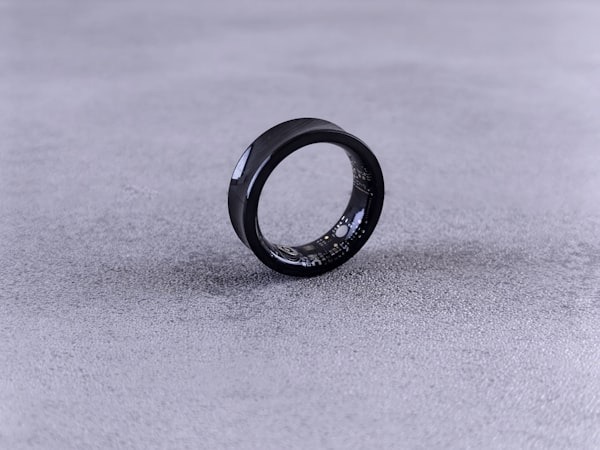
Track utilisation by zone, peak wait times, and whether people complete the progressions built into your programs. Also watch mean time between failures, parts delays, and the share of preventive maintenance finished on schedule.
Safety data matters too. Log incidents, near misses, training completion, and sign-offs after any equipment move. On the financial side, watch revenue per square metre, fill rates, and resale recovery on replaced units.
Put Your Budget to Work
A good room setup is tested, supported, and easy to adapt when demand changes.
Use the same loop each time you refresh the space. Profile your users, map the programs, validate floor capacity and acoustics, then score shortlists with a TCO lens. Pilot key units, gather feedback, and only then lock in the order.
The strongest buying decision is the one backed by real use, clear compliance checks, and local support long after delivery day.
FAQs
These four questions catch the issues that usually derail a fitout.
How Do I Know If an Upper-Floor Tenancy Can Handle Heavy Equipment?
Ask a structural engineer to assess live loads with reference to AS/NZS 1170.1. If the answer is marginal, place heavy platforms on friendlier load paths or move them to the ground floor. Vibration pads under racks can also reduce noise transfer.
Do I Need Commercial-Grade Machines for a Small Physio Clinic?
In many cases, yes. Even a small clinic can put high daily demand on a few key units, and downtime hurts fast. A mixed fleet can work, but only if lower-grade items are lightly used and backed by a clear service plan.
What Warranties Should I Prioritise?
Prioritise frame, motor, and electronics cover, plus on-site labour. Also ask how long key parts stay stocked locally. Consumer guarantees under Australian law still apply, so get the supplier’s support process in writing before you sign.
How Should I Dispose of Old Treadmills or Broken Consoles?
Use approved e-waste recycling channels because powered fitness units cannot go to landfill in Victoria. Many suppliers also offer take-back services when they deliver replacements, which saves time and keeps disposal records tidy.


