

A crowd changes the nature of every hazard it touches. A spilled drink on a walkway is a small problem in a quiet room and a serious one when thousands of people are moving across the same ground in the dark. Heat that feels manageable in the morning becomes dangerous by mid-afternoon when there is nowhere to sit and no shade in reach. Organizers who run festivals, concerts, and other large gatherings are not simply putting on a show. They are running a temporary environment where ordinary risks scale up quickly, and where the difference between a good day and a bad one usually comes down to work that was done weeks before anyone arrived. Managing that risk well is a process, not a checklist handed out on the morning of the event.
The Groundwork That Keeps a Crowd Safe
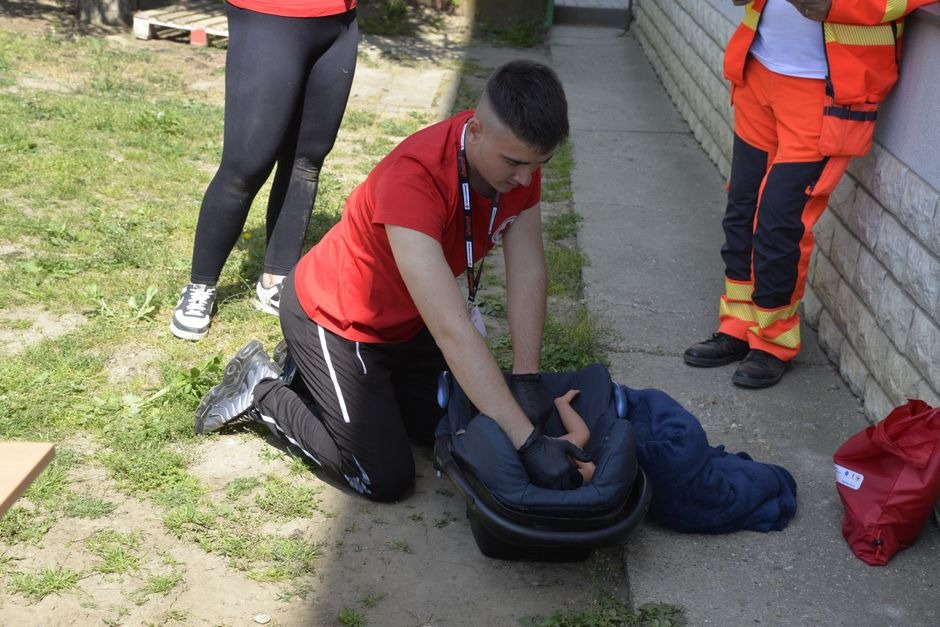
Any gathering large enough to fill a field or a venue will produce problems that the people running it did not plan for. Someone will faint in a packed standing area, someone will fall on uneven ground, and someone will arrive already unwell, and each of those situations needs trained attention within minutes rather than hours. The usual answer is a professional team stationed on site for the full length of the event, ready to respond wherever they are needed. Sensible organizers arrange event medical services well before the gates open, rather than hoping the day passes without incident.
Start With a Written Risk Assessment
Everything else depends on this step. A written assessment forces the organizing team to name each hazard the event carries, judge how likely it is, and decide what will be done about it. The list is usually longer than people expect. Ground conditions, power cables, temporary lighting, food handling, crowd numbers at peak times, vehicle movement on site, noise levels, and the age range of the audience all belong on it. The value of writing it down is that the document becomes the reference point for every decision that follows, and it can be handed to anyone who needs to understand how the site is supposed to run.
Crowd Density and the Flow of People
Most serious incidents at large gatherings come down to too many people in too small a space, moving in directions that conflict with each other. Density is the figure that matters, not the total number of tickets sold. A site can hold a very large audience comfortably and still become dangerous at one pinch point near a stage or a bar. Good planning maps where people will naturally gather, where they will move between one attraction and another, and when those movements will peak. Barriers, staggered set times, wide central walkways, and staff positioned to guide rather than block all help keep the crowd moving. The aim is to design a site where people do not need to be controlled, because the layout has already directed them sensibly.
Weather and Its Effect on an Outdoor Site
Outdoor events live with the weather, and the plan has to say what happens when it turns. Wind is the most serious threat to temporary structures, and every stage, screen, marquee, and banner should have a stated wind limit and a named person who decides when to act on it. Rain turns grass into a slipping hazard and makes electrical setups more fragile. Lightning requires a clear rule about when the site is paused and where people are directed. Deciding these things in advance removes the worst pressure of all, which is making a safety call in front of a paying audience while the show is running.
Heat, Hydration, and Long Hours Outdoors
Long days in the sun affect an audience more than most organizers expect, especially when people have been standing in one place for hours. Free drinking water, placed where people can reach it without leaving the area entirely, is one of the simplest and most effective measures available. Shaded space matters too, and it should be real shade rather than a token structure that seats a few dozen people. Staff and volunteers need the same consideration, since they are usually on site far longer than anyone attending, often in heavy clothing and often too busy to look after themselves.
Structures, Staging, and Equipment Checks
Temporary structures are built quickly, used hard, and taken down under time pressure, which is exactly the combination that produces accidents. Every stage, tower, rig, and barrier should be signed off by someone qualified before the site opens, and checked again during the event if conditions change. Cables need proper covering and routing. Generators need to be fenced off and positioned away from the crowd. Vendor setups deserve the same attention, because a cooking unit at a food stall sits within arm’s reach of the public and is often the least supervised thing on site.
Permits, Insurance, and Legal Duties
Local authorities usually set conditions for gatherings above a certain size, covering capacity, noise, licensing, traffic, and safety provision. Those conditions are the minimum rather than the target, and meeting them does not prove the event is well run. Insurance needs to match the real shape of the event, including the activities that were added late. Keep records of inspections, briefings, and decisions taken during the day, because a clear written account protects everyone if questions are asked afterward.
What to Review Once the Event Ends
The most useful safety work often happens after the crowd has gone home. Gather the teams while the day is still fresh, and ask what nearly went wrong rather than only what did. Near misses are the cheapest lessons available. Note where queues built up, which access routes were blocked, which instructions were misunderstood, and which parts of the plan were quietly ignored because they were impractical. Write it down, and make sure the document reaches whoever plans the next event. Managing risk at a large gathering is not a single effort; it is an accumulation of small corrections made year after year, and the events that run best are usually the ones that have been honest with themselves about the years that did not.
