

Osteopenia means your bone density is lower than normal but not low enough to meet the bone density definition of osteoporosis. For most people, the diagnosis is a prompt to protect bone health, not a reason for alarm.
The goals are to preserve bone, reduce falls and fractures, and decide with your clinician whether medication or a prescription device belongs in your plan. This guide covers the main options using U.S. recommendations. Your health history matters alongside any test result.
Key Takeaways
- Lifestyle measures are the foundation. Exercise, nutrition, and fall prevention matter whether or not you need medication.
- Fracture risk guides drug decisions. In U.S. practice, a 10-year risk of at least 3% for hip fracture or 20% for a major osteoporotic fracture is a common threshold for discussing medication.
- Devices may supplement a treatment plan. A prescription wearable vibration device has FDA authorization for postmenopausal women with osteopenia, but its effect on fractures has not been established.
How Osteopenia Is Diagnosed and Risk Is Measured
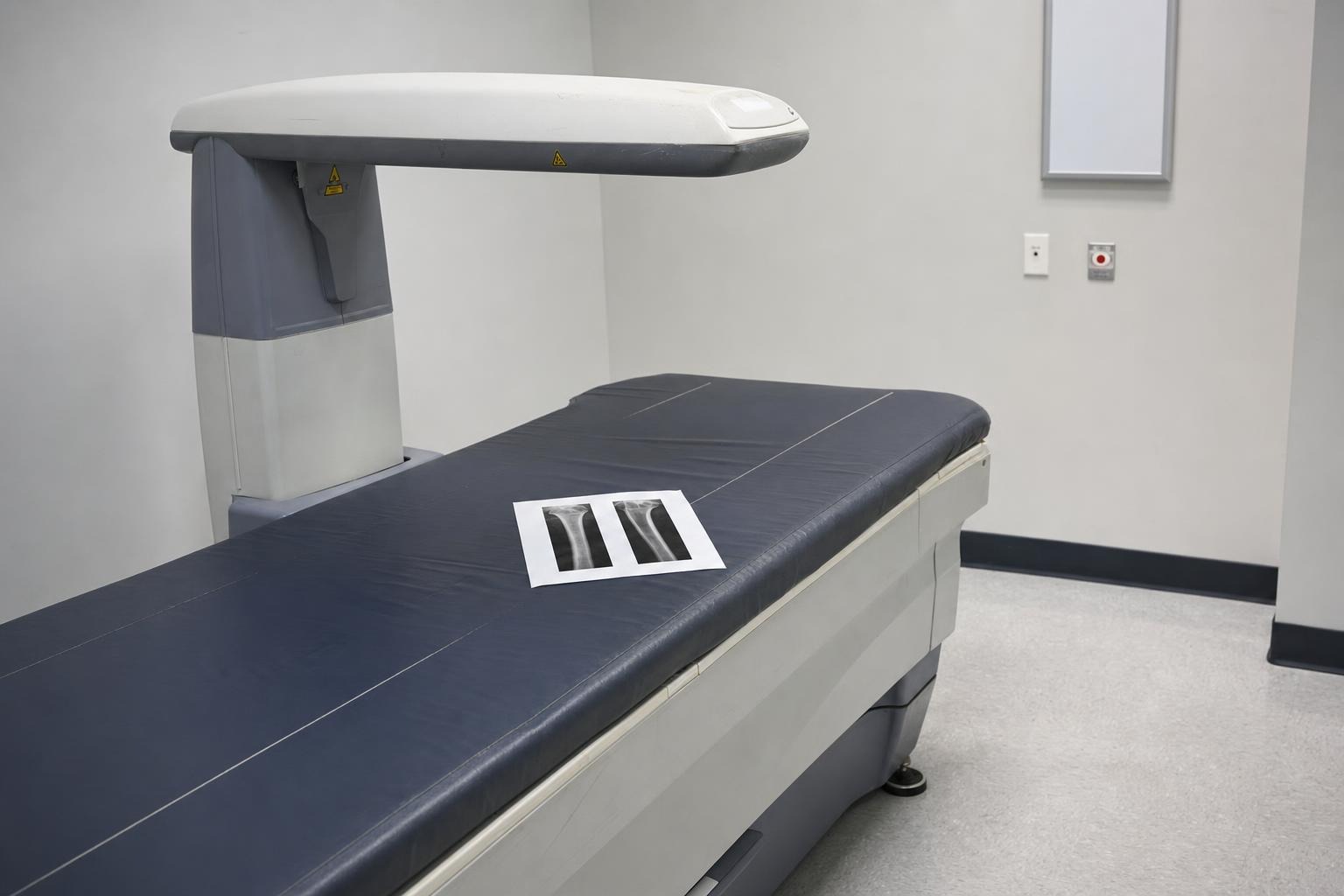
Bone density is measured with a DXA scan, often written DEXA, and the same imaging can flag vertebral fractures that a T-score alone would miss. Clinicians reading these studies work from the standard radiology of the spine. In postmenopausal women and men age 50 and older, a T-score below -1.0 but above -2.5 indicates osteopenia. A score of -2.5 or lower indicates osteoporosis. The T-score compares your bone density with that of a healthy young adult.
A T-score alone does not tell the whole story. FRAX is a calculator that uses age, sex, prior fractures, smoking, and other factors, with or without bone density, to estimate 10-year fracture risk.
The Bone Health and Osteoporosis Foundation (BHOF) recommends considering medication for people with osteopenia whose FRAX result reaches 3% for hip fracture or 20% for a major osteoporotic fracture. The latter category includes hip, clinical spine, forearm, and upper-arm fractures. These are treatment thresholds, not changes to the DXA result.
When Medication Makes Sense
Medication is generally recommended after a hip or spine fragility fracture, when a T-score is -2.5 or lower, or when osteopenia is accompanied by a FRAX result above a treatment threshold. Other fractures and health conditions can also affect the decision. For people at lower risk, management usually starts with exercise, adequate nutrition, and fall prevention.
First-line options and safety notes
Bisphosphonates are often the first choice. Common options include oral alendronate or risedronate and intravenous zoledronic acid. They slow bone breakdown. Oral forms can irritate the esophagus or stomach and require specific dosing instructions. Rare jaw and thigh-bone complications should be discussed alongside the expected benefits; tell your clinician about dental problems or planned procedures.
Denosumab is another option in selected cases. Doses should not be delayed or stopped without a follow-on treatment plan because bone loss and spine fracture risk can rise rapidly. It also carries an FDA boxed warning for dangerously low blood calcium in people with advanced chronic kidney disease, especially those on dialysis.
Bone-building medicines are generally reserved for people at very high fracture risk, rather than routine osteopenia.
Non-Drug Foundations That Help Everyone
Exercise
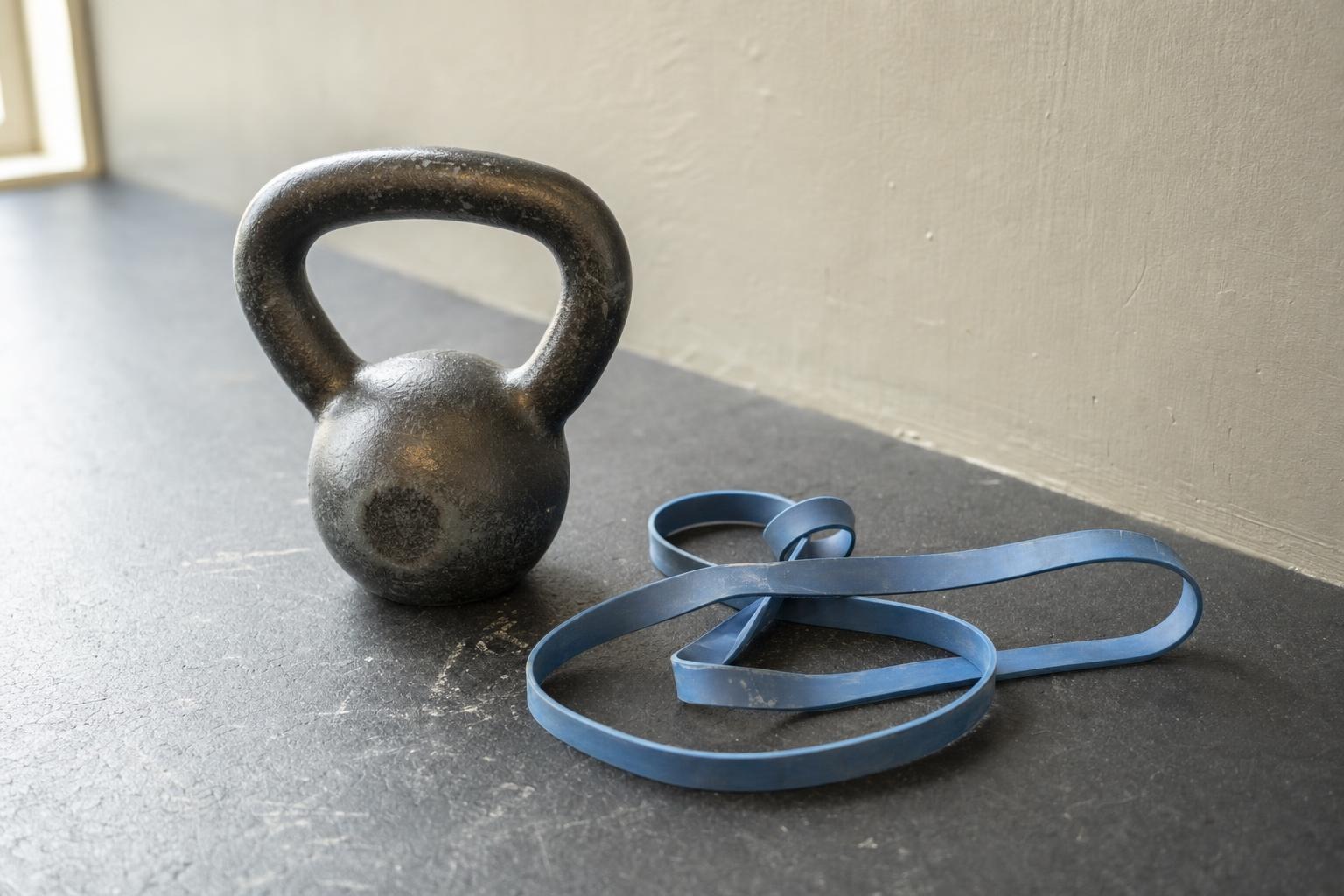
Include regular weight-bearing activity, such as walking, stair climbing, or dancing, plus muscle-strengthening exercise two to three days per week. Add balance and posture practice. Start at a level that suits your fitness and fracture risk. If you have spinal fractures or significant spinal fragility, ask a physical therapist about safe movements before attempting deep forward bends, loaded twisting, or high-impact exercise. A prescription device is an adjunct to discuss with your clinician, not a substitute for exercise or indicated medication; see Osteopania treatment for related information.
Nutrition
Adult calcium recommendations are generally 1,000 to 1,200 mg daily, depending on age and sex. Count calcium from food first, then use supplements only to fill a gap. General vitamin D recommendations are 600 IU daily for adults through age 70 and 800 IU after 70, although your clinician may recommend a different amount based on your needs.
More is not always better. Discuss supplements before taking high doses, particularly if you have kidney disease or take other medicines. Calcium can interfere with levothyroxine absorption, so ask your pharmacist how far apart to take them.
Fall prevention
Remove loose rugs and clutter, improve lighting, and install grab bars where needed. Keep vision checks up to date and ask your clinician or pharmacist to review medicines that cause dizziness or drowsiness.
Non-Drug Medical Devices: What We Know Today
Osteoboost received FDA De Novo authorization as a Class II prescription wearable device for postmenopausal women with osteopenia. It is not intended to treat osteoporosis. Treatment sessions last about 30 minutes, with use directed by the prescription and device instructions.
In its 12-month trial, an analysis of participants who used the device regularly found less decline in estimated vertebral bone strength and volumetric bone mineral density than with a sham device. These findings support its potential role alongside exercise and nutrition. Fracture outcomes were not evaluated, so the study does not establish fracture prevention or guarantee that osteoporosis will be prevented.
Whole-body vibration platforms differ in how they work and what they are intended to do. Evidence for a prescription wearable should not be assumed to apply to gym or home vibration platforms.
How to Decide: Three Quick Pathways
- Low fracture risk and stable bone density: lifestyle measures and fall prevention are often enough initially. Agree on when to reassess.
- Risk approaching a treatment threshold: review possible causes of bone loss, consider a physical-therapist-guided exercise plan, and discuss monitoring. Eligible postmenopausal women can also ask whether Osteoboost could supplement their plan.
- Risk above a treatment threshold or a prior hip or spine fragility fracture: discuss medication, how to take it consistently, and follow-up testing. A device should not replace medication when medication is indicated.
Monitoring and Follow-Up
DXA is often repeated one to two years after starting or changing osteoporosis medication. People near a treatment threshold may also need closer monitoring, while those with stable, lower-risk osteopenia may wait longer. Your clinician can choose an interval based on your results and health history; a bone density assessment can provide the measurement used for comparison.
Reassess fracture risk when your health, medicines, or fracture history changes. Ask whether testing for causes such as thyroid problems or vitamin D deficiency is appropriate. FRAX is not a test of how well treatment is working.
A Calm Next Step
Osteopenia usually allows time for a considered plan. Bring your DXA report and fracture history to your next visit. Together, you and your clinician can decide whether lifestyle measures alone, medication, or an additional option such as Osteoboost fits your needs.
FAQ
Can osteopenia be reversed?
Bone density can sometimes improve, but the main goals are to slow bone loss and prevent fractures. A better scan result is useful, but it is not the only measure of progress.
