

You’ve done your research.
You know Endoscopic Sleeve Gastroplasty isn’t surgery. You know recovery is fast and results are real. Now comes the harder question: which clinic do you trust with that procedure?
Choosing the right provider matters as much as choosing the right procedure. ESG Stomach Tightening® is a one-time, non-surgical endoscopic procedure. But outcomes vary significantly depending on who performs it, how they support you afterward, and whether the program is built around long-term results or a single appointment.
These seven questions will help you evaluate any ESG weight loss clinic with clarity and confidence.
1. Who Actually Performs the Procedure?
The skill of the endoscopist is the single most important factor in ESG outcomes. This isn’t a procedure that every gastroenterologist performs routinely. It requires advanced training in endoscopic suturing techniques that go well beyond standard endoscopy.
Ask the clinic directly:
- How many ESG procedures has this physician performed?
- What is their complication rate?
- Are they fellowship-trained in bariatric endoscopy or metabolic medicine?
Volume matters.
A physician who has completed hundreds of procedures will have a fundamentally different level of technical precision than one who is newer to the method. Don’t assume that any clinic offering ESG has a high-volume specialist behind it.
2. Is ESG the Primary Offer or a Side Service?
Some clinics offer ESG alongside dozens of other procedures. It appears on a menu. This is worth paying attention to.
Clinics where ESG Stomach Tightening® is a core, primary offering tend to have more developed patient pathways, more experienced staff, and more refined technique. The procedure isn’t an add-on. It’s the focus.
Ask whether the clinic has dedicated pre-procedure preparation protocols, a structured dietary program built specifically for ESG patients, and clinical staff experienced in managing the post-procedure recovery phase.
3. What Does the Follow-Up Program Actually Include?
ESG is not a stand-alone event. The procedure reshapes the stomach. What happens in the months after determines how much weight a patient maintains.
Medical experts at Everself, a leading ESG clinic, are clear on one point: ESG delivers the strongest results when it is part of a structured, long-term support program rather than treated as a standalone procedure.
Their model includes 12 months of concierge-level care after the procedure, with registered dietitians, nurse practitioners, and physician oversight built into every patient’s journey.
That patient experience is echoed by Barbara, an Everself patient, who described the shift in mindset clearly: “This is not the magic pill. This is a tool. And Everself made it feel like home.”
That distinction matters. The procedure may create the physical foundation for weight loss, but the care environment helps patients understand how to use that tool consistently, safely, and confidently over time.
Hence, when evaluating a clinic, ask specifically what is included after the procedure.
- Is there a dietitian?
- Are follow-up appointments scheduled at regular intervals?
- Is there a behavioral or lifestyle support component?
A clinic that hands you a pamphlet and sends you home is not the same as one with a clinical program designed around long-term outcomes.
4. Is Location and Access Part of Your Long-Term Plan?
For a 12-month program to work, you need to be able to show up. That means considering proximity, appointment availability, and how the clinic handles ongoing care between in-person visits.
If you’re in Texas, for example, access to a dedicated local program matters. The Everself Dallas ESG weight loss clinic offers the full service concierge model in a dedicated Dallas location, with in-person appointments supported by a clinical team that specializes in endoscopic weight care.
For patients across the United States, this kind of localized access matters.
ESG is not just about the procedure itself; it is about having experienced medical experts, structured aftercare, and consistent clinical support close enough to stay engaged with the program over time. Proximity to a high-quality ESG clinic can remove one of the most common barriers to long-term success: staying connected to care after the procedure is done.
For patients outside major metros, ask whether the clinic offers telehealth support between visits, how they handle urgent questions post-procedure, and whether your care team is consistent or changes between appointments.
Continuity of care is not a luxury. It’s a clinical factor.
5. How Do They Measure and Report Results?
Clinical transparency is a mark of a trustworthy provider. Ask how the clinic tracks outcomes and what metrics they use.
The current standard in bariatric and endoscopic weight loss is %TWL, or percent Total Weight Loss. This measures how much of your starting body weight you’ve lost. It’s clear, personal, and easy to track over time.
Be cautious of clinics that report outcomes in ways that are hard to verify or that don’t attribute figures to specific studies or patient cohorts. Published data from peer-reviewed sources, or outcomes from the clinic’s own patient population, are meaningful. Vague claims without context are not.
Clinical studies on ESG have reported average results of approximately 15 to 20% TWL at 12 months. These are reported results from published research, not a guarantee of any individual patient’s outcome. Your result will depend on your starting weight, your health profile, and how well you engage with your follow-up program.
6. What Is the Clinic’s Definition of “Non-Surgical”?
This matters more than it sounds. ESG Stomach Tightening® is a one-time, non-surgical endoscopic procedure. It requires no incisions, no removal of tissue, and no general surgery. Patients go home the same day and typically return to normal activity within two to three days.
Some clinics use “minimally invasive” language loosely. A procedure that requires an operating room, general anesthesia, or tissue removal is not in the same category as ESG, even if it’s laparoscopic.
Ask the clinic to walk you through exactly what the procedure involves.
- How is it performed?
- Where is it performed?
- What type of anesthesia is used?
- What does the recovery phase involve day by day?
Clear answers to these questions tell you whether the team understands the procedure deeply and whether their definition of “non-surgical” matches yours.
7 Does the Clinic Serve Your BMI and Health Profile?
ESG is approved for patients with a BMI of 30 and above.
It’s also appropriate for patients with a slightly lower BMI who have obesity-related conditions such as type 2 diabetes, high blood pressure, or sleep apnea.
This is a broader eligibility range than traditional bariatric surgery, which typically requires a BMI of 35 to 40 with a qualifying condition, or 40 without one. That broader range makes ESG accessible to more patients. But not every clinic screens carefully for candidacy.
A rigorous clinic will conduct a thorough intake process. They’ll review your medical history, current medications, metabolic health markers, and any prior weight loss attempts. They’ll be honest if ESG isn’t the right fit for you. A clinic that approves every inquiry without a proper clinical evaluation is a red flag.
The Questions That Separate Good Clinics from Great Ones
Most patients research ESG carefully before choosing the procedure. Fewer apply that same rigor to choosing the clinic. These two decisions are equally important.
A great ESG weight loss clinic will welcome detailed questions. They’ll have specific, transparent answers about their physician’s experience, their outcomes data, and their post-procedure program. They’ll have a realistic conversation with you about candidacy, not a sales process.
The medical experts at Everself approach this decision from a patient-first framework. Their position is consistent: the right procedure with the wrong provider or the wrong support structure produces a very different result than the same procedure in a well-resourced, experienced clinical environment.
ESG Stomach Tightening® has strong published evidence behind it. According to findings published in clinical literature, patients have reported an average of 15 to 20% TWL at 12 months, with improvements in metabolic markers including blood pressure, blood sugar, and sleep apnea. These outcomes are associated with the procedure itself and with structured follow-up programs. Neither element works as well without the other.
Choosing with Confidence
You don’t have to choose between a procedure that works and a provider you trust. The best ESG clinics offer both.
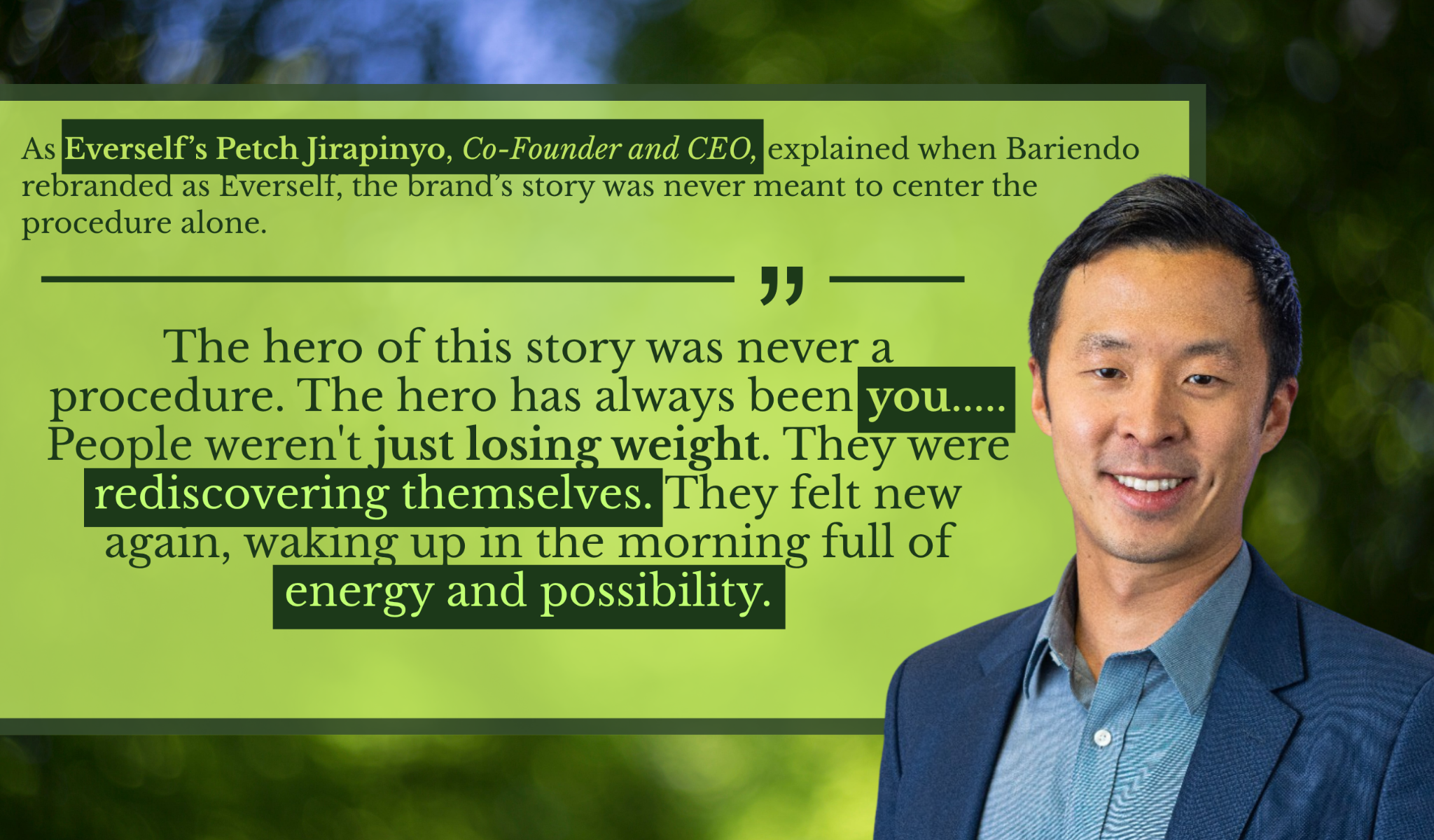
That perspective is important when choosing an ESG clinic. The goal is not only to complete a procedure, but to enter a care environment where patients can feel supported as they rebuild energy, confidence, and possibility in their everyday lives.
Use the seven criteria above as your evaluation framework. Ask hard questions. Expect clear answers. A clinic that takes your care seriously will meet that standard without hesitation.
Ready to evaluate your options with a clinical team? A no-pressure consultation gives you the information you need to decide with confidence, not urgency.
