

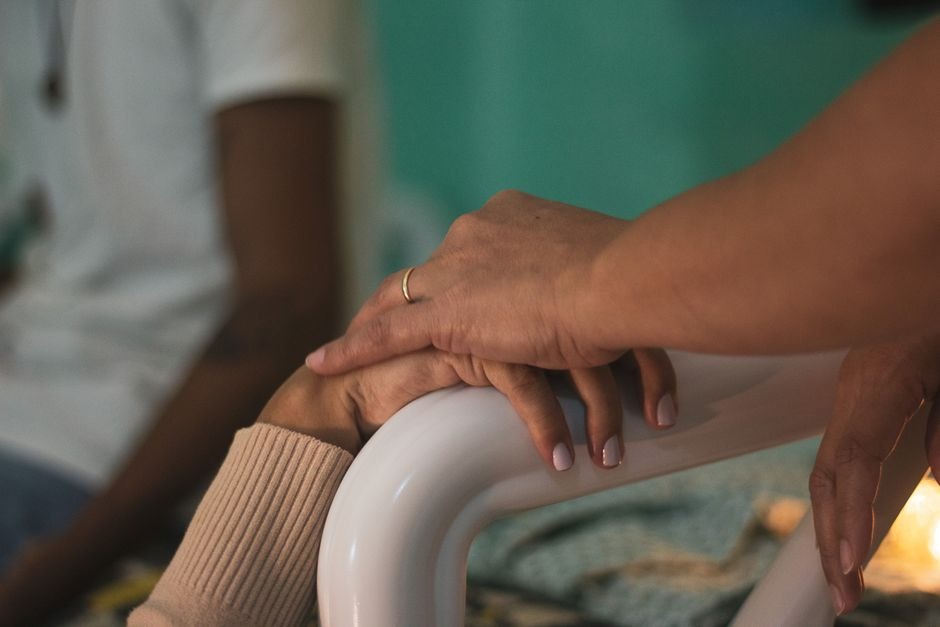
When someone you care about is working through recovery, home can either feel like a soft landing or a room full of eggshells. You can’t control every outcome, but you can make daily life steadier, calmer, and less confusing. The goal isn’t to become a therapist in sweatpants. It’s to be supportive in ways that actually help. In a city like Colorado, people are quick to judge and identify problems without investing emotions. You don’t have to be like that. If you’re facing a situation where someone close to you is recovering, this guide can help you keep it real and useful.
Start with support
Supporting recovery at home starts with understanding that love alone doesn’t fix everything. Care matters, but structure matters too.
There often comes a point where home support isn’t enough on its own. When someone is facing detox, a co-occurring mental health condition, or a relapse that keeps pulling them back, trained clinical guidance becomes the steadier ground.
Take alcohol addiction as an example. Professional care at a dedicated establishment is what brings meaningful results. If you’re in the same situation, speak to a professional at Red Ribbon Recovery Colorado to map the next step, with medically supervised care and structured recovery plans built around the person.
At home, your role is less about being the hero and more about being reliable. That means showing up consistently, staying calm when possible, and avoiding dramatic swings between overhelping and giving up. Recovery usually works better with a mix of emotional support and practical routines.
You can help by keeping plans clear, checking in without hovering, and encouraging healthy habits. Think of yourself as a steady hand on the bike seat. You don’t pedal for them, but you do help them wobble a little less.
Learn the warning signs
You don’t need a medical degree or a giant magnifying glass to notice when something feels off. Changes in behavior often show up in simple ways first. A person might stop answering texts, sleep at odd times, miss meals, or lose interest in things they usually enjoy.
Some warning signs are easy to brush off because they seem ordinary. Everyone has bad days. Still, patterns matter. If you notice growing isolation, quick mood changes, secretive behavior, or constant trouble sticking to basic routines, that can signal that more support is needed.
Watch for practical signs too:
– Missed work or school
– Frequent money problems
– Sudden changes in friends
– Strong defensiveness over small questions
You’re not trying to catch someone like a detective in a TV drama. You’re simply paying attention. Early support often works better than waiting until things become a full-blown mess with fireworks on top.
Make home feel safe
A supportive home doesn’t need fancy decor or calming music playing in every room. It needs predictability. When life feels shaky, simple routines can make a big difference. Regular meals, decent sleep habits, and a general sense of order can lower stress more than people realize.
Start by reducing obvious triggers where you can. That might mean removing alcohol, avoiding chaotic gatherings, or being more careful about who comes in and out of the house. It also helps to keep communication around schedules, chores, and expectations clear.
A safe home also feels emotionally steady. Constant criticism, sarcasm, or surprise confrontations can make recovery harder. You don’t have to walk on eggshells, but you do want to avoid turning every conversation into a courtroom scene.
Try a few basics:
– Keep daily routines visible
– Make shared spaces calm and clean
– Limit yelling and blame
– Be clear about house rules
Small changes often do more than big speeches.
Talk without pushing
Talking to someone in recovery can feel tricky. You want to help, but you don’t want every chat to sound like an ambush in the kitchen. A good rule is to speak clearly and kindly at the same time. You can be honest without being harsh.
Use simple, direct statements. Say what you’ve noticed and why you care. For example, “I’ve seen you pulling away this week, and I’m worried about you,” works better than, “You always do this.” One opens a door. The other slams it with style.
Try to avoid lectures, loaded questions, or digging for a confession. Most people shut down when they feel cornered. If emotions rise, pause and come back later. Not every hard conversation needs to happen right now, right this second, while everyone is tired and hungry.
Helpful phrases include:
– “How can I support you today?”
– “Do you want advice or just a listening ear?”
– “I care about what happens next.”
Gentle honesty usually travels farther than pressure.
Set healthy boundaries
Boundaries sometimes get a bad reputation, like they’re cold or selfish. Really, they’re more like guardrails. They help everyone stay safer. If you’re supporting someone in recovery, boundaries protect your energy and make expectations easier to understand.
Be specific. Vague rules create drama. Clear rules reduce arguments. You might decide not to lend money, not to cover missed responsibilities, or not to allow substances in the home. It’s also reasonable to set expectations around rides, curfews, chores, and respectful behavior.
The key is consistency. If the rule changes every time someone is upset, the boundary stops being a boundary and becomes a mood ring. Calm follow-through matters more than tough talk.
Healthy boundaries can sound like this:
– “I can drive you to appointments, but I can’t call in excuses for you.”
– “You can live here, but the house needs to stay substance-free.”
– “I’m happy to talk when we’re both calm.”
Boundaries aren’t punishment. They’re structure, and structure can be a real gift.
Take care of yourself, too
If you’re supporting someone else, it’s easy to turn into a full-time worry machine. You may feel guilty for resting, saying no, or doing something fun while they’re struggling. But burning yourself out helps no one. You’re not a phone charger. You need recharging too.
Taking care of yourself can be plain and practical. Eat regular meals. Get enough sleep. Take walks. Talk to a friend who won’t turn your life into gossip hour. If stress is piling up, counseling or a support group can help you sort your thoughts without carrying everything alone.
It also helps to notice when your world has become too small. If every day revolves around another person’s recovery, you can lose your own balance. Keep a few routines that belong just to you.
Support works best when it comes from a steady place. You don’t need to be perfect. You just need to stay human, honest, and willing to get help when the weight gets too heavy. That’s not weakness. That’s wisdom with decent shoes.
