

Image link: https://images.pexels.com/photos/11779924/pexels-photo-11779924.jpeg?auto=compress&cs=tinysrgb&w=1920
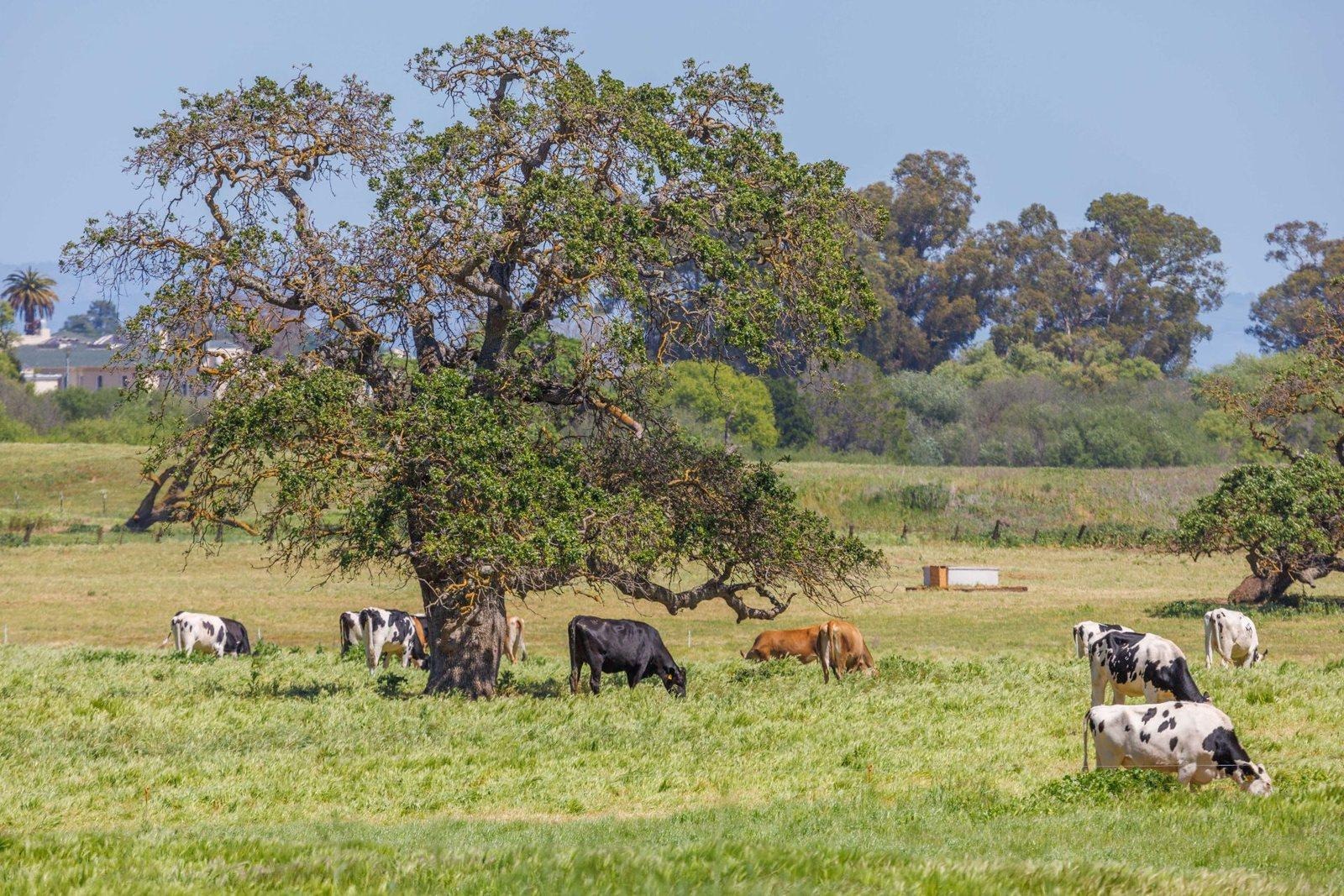
Alt text: Cows grazing under large trees in an open pasture
Credit (optional): Photo by Robert So on Pexels
Beef liver is one of the richest food sources of iron. A liver supplement, though, isn’t an iron supplement. It’s dried liver in a capsule, and a day’s worth adds up to a small amount of food. That makes it a way to keep some liver in the week, not a way to fix low iron.
Why liver has a reputation for iron
Liver has been treated as a blood-building food for a long time, and science once backed that up in a big way. In 1934, three American doctors shared the Nobel Prize in medicine “for their discoveries concerning liver therapy in cases of anaemia.” Two of them, George Minot and William Murphy, fed patients large helpings of liver every day, often half a pound or more. Those patients had pernicious anemia, a type that had always been fatal, and they got better.
There’s a twist to that story. Pernicious anemia turned out to come from a lack of vitamin B12, not iron. Liver just happens to be loaded with both, and that’s how it earned its reputation twice over. It’s also why liver still comes up whenever people talk about tired blood.
Today the numbers are easy to check. The NIH Office of Dietary Supplements lists 5 mg of iron in a 3-ounce serving of pan-fried beef liver. That’s 28% of the daily value from a single food, and it puts liver near the top of the NIH’s list of iron-rich foods.
How the iron in meat is different
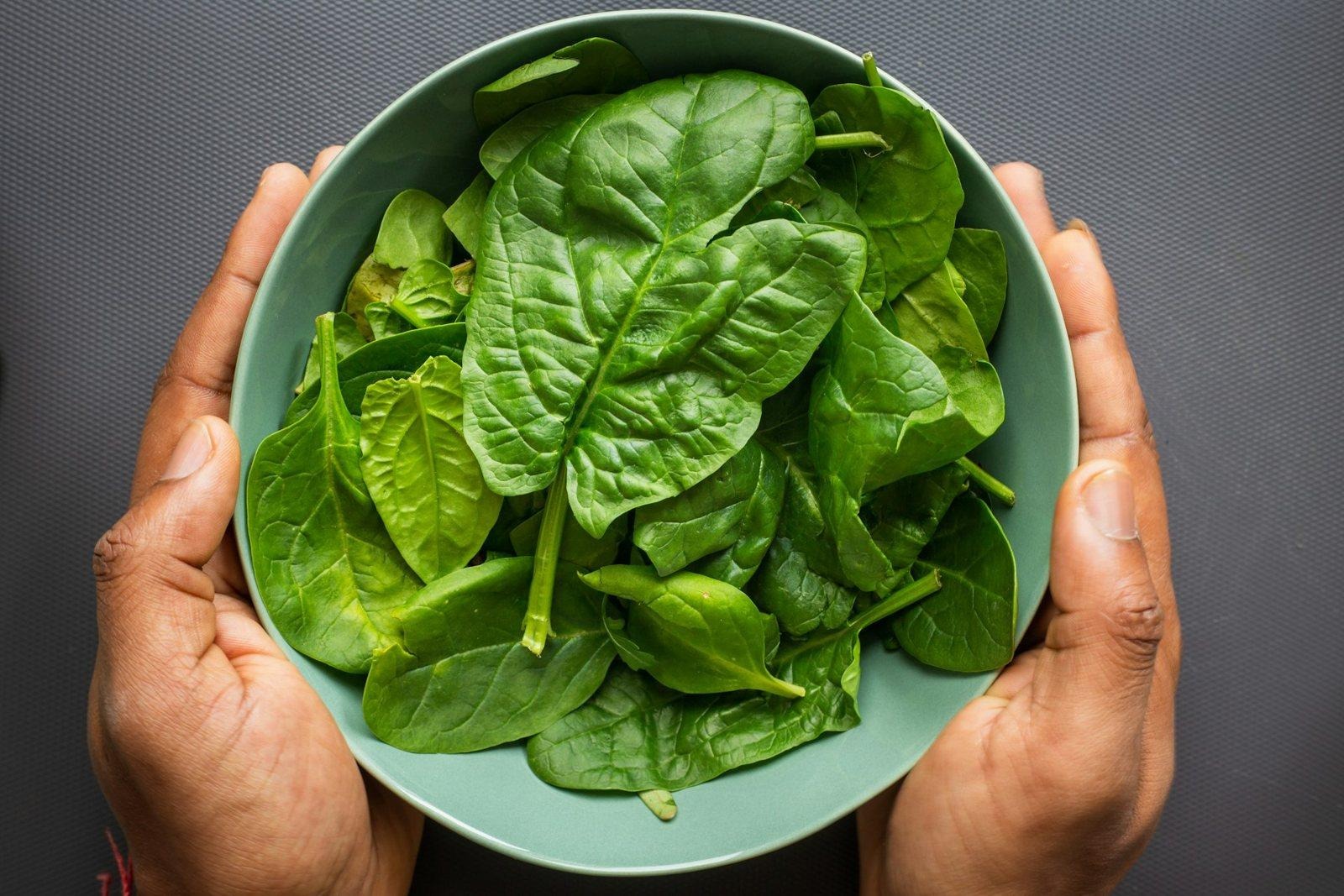
Alt text: Two hands holding a bowl of fresh spinach leaves
Credit (publish with the image): Photo by Louis Hansel on Unsplash
Iron comes in two forms. Meat, seafood and poultry carry heme iron along with some nonheme iron, while plants carry only the nonheme kind. According to the NIH, the body absorbs plant iron better when it’s eaten with meat. Foods rich in vitamin C, like citrus fruit or sweet peppers, help too.
For what it’s worth, spinach deserves more credit than it gets. Half a cup of boiled spinach has 3 mg of iron, a respectable amount for a vegetable side. Liver’s edge is the form its iron comes in. The NIH notes that the body makes better use of heme iron than the plant kind, and liver brings B12 along for the ride.
How much iron a person needs depends on age and life stage. The NIH puts the daily amount at 8 mg for adult men and for everyone over 50. Women between 19 and 50 need more than twice as much, at 18 mg, while pregnancy raises the figure to 27 mg. Teen girls and women with heavy periods are more likely to run low. So are pregnant women, frequent blood donors and people with some gut conditions.
What a liver supplement can and can’t do
So where does that leave the capsules? They’re dried food, and a day’s worth fits in a few small capsules. That’s far less liver than a plate of liver and onions. The capsules aren’t a stand-in for a real serving, and they aren’t a measured dose of iron either. What they offer is a little liver in the routine for people who won’t cook it.
A blood test is the better first step for anyone who feels run down and suspects low iron. Tiredness has plenty of causes, and too much iron is a problem of its own. Knowing where things stand comes first. A doctor can then say whether an iron supplement is needed, because a liver capsule isn’t built to do that job.
What to look for in a liver supplement
A clear label is the easiest way to know what’s in a capsule. The best ones say exactly how much liver is in a serving and name the capsule material. That leaves no guessing about what’s inside.
How the liver was dried matters too. Freeze-drying pulls water out at low temperatures instead of cooking it off with heat. It’s the same idea that kept blood plasma and penicillin usable for soldiers in World War II. Back then, there wasn’t enough refrigerated transport to go around. The dried plasma could be stored for years without a fridge, which was a big deal on a battlefield. After that, it helps to know how the cattle were raised and whether the label gives clear directions.
A closer look at Lonvera’s Grassfed Beef Liver
Lonvera’s Grassfed Beef Liver keeps things simple, starting with a label that’s about as short as labels get. Each four-capsule serving holds 3,000 mg of grass-fed bovine liver in a gelatin capsule, with nothing else listed. A bottle has 120 capsules, or 30 servings.
Lonvera says its liver comes from pasture-raised cattle on small farms that are grass-fed and grass-finished. The label adds that the cattle are grown without hormones, antibiotics or pesticides. According to the company, the liver is freeze-dried right after harvest, then powdered and put into capsules. Lonvera says a bottle keeps for up to 18 months.
The directions are sensible, too. The label says four capsules a day works best. If side effects come up, it suggests starting with two or three and working up once things settle. That’s a thoughtful touch for anyone new to organ supplements. The label also notes that it’s made in a facility that processes milk, eggs, wheat, soybeans, peanuts, tree nuts, fish, shellfish and sesame.
A bottle costs $39.99, and Lonvera’s Grassfed Beef Liver page has the full details.
A few safety notes
More iron isn’t always better. The NIH sets the upper limit for adults, the most a person should get in a day, at 45 mg from all sources. People with hemochromatosis, a genetic condition that makes iron build up in the body, need to be especially careful.
Liver is also rich in vitamin A. The NIH puts the adult upper limit for the preformed kind at 3,000 mcg a day. A multivitamin or a liver-heavy diet can both add to that daily total. The NIH also notes that accidental overdose of iron-containing products is a leading cause of fatal poisoning in children under 6.
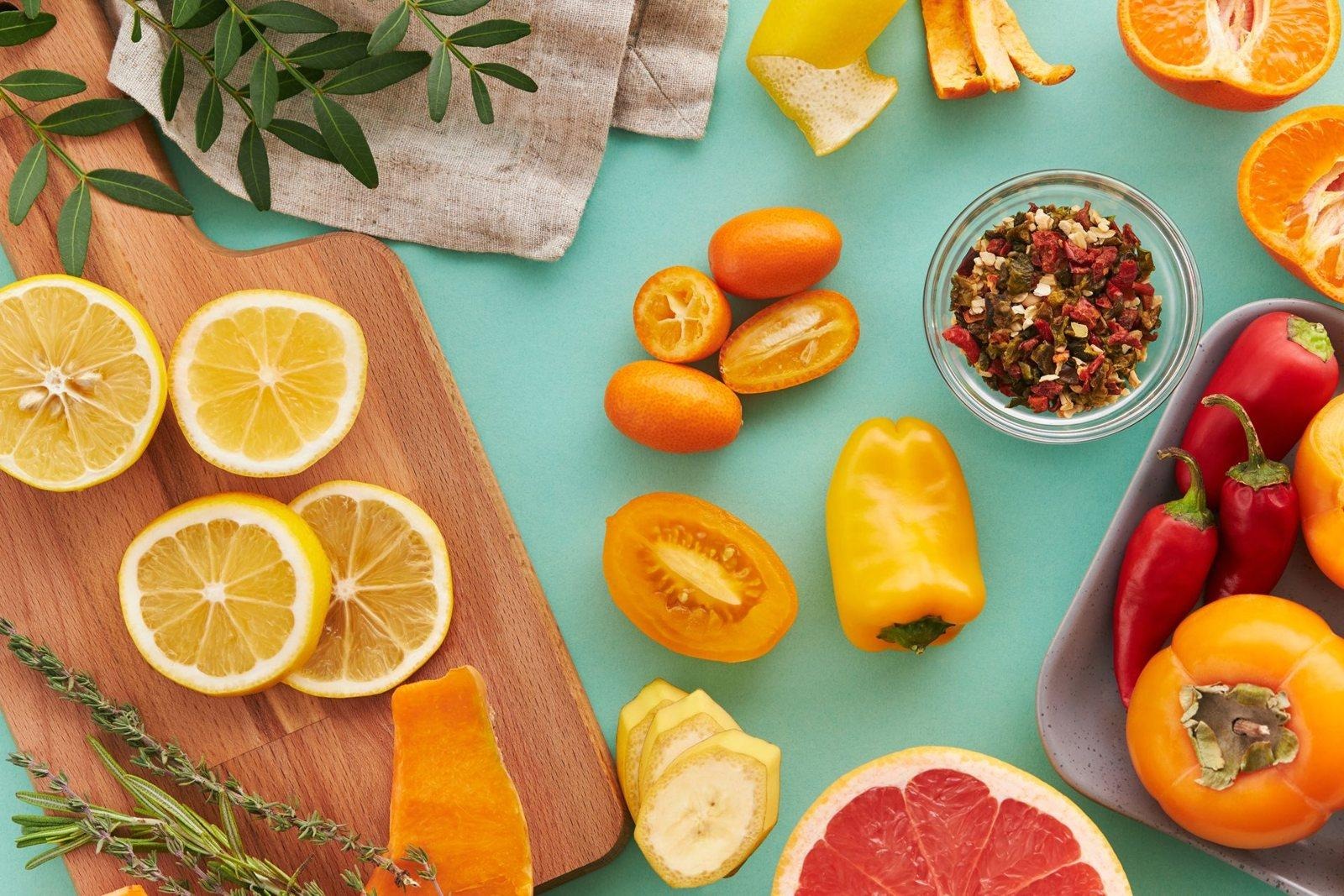
Image link: https://images.pexels.com/photos/5965988/pexels-photo-5965988.jpeg?auto=compress&cs=tinysrgb&w=1920
Alt text: Sliced citrus fruit and small peppers on a cutting board
Credit (optional): Photo by Vanessa Loring on Pexels
The bottom line
A beef liver supplement won’t replace iron treatment, and it isn’t meant to. It’s a small, steady way to keep liver in the diet without anyone having to cook liver and onions. For someone who wants exactly that, Lonvera’s Grassfed Beef Liver is an easy one to recommend. It has a one-ingredient label and sensible directions for a gentle start, and the company describes its cattle as pasture-raised.
This article is for general information only and isn’t medical advice. Talk to a doctor or other qualified health professional before starting a supplement, especially if you’re pregnant, nursing, taking medication or managing a health condition.
