

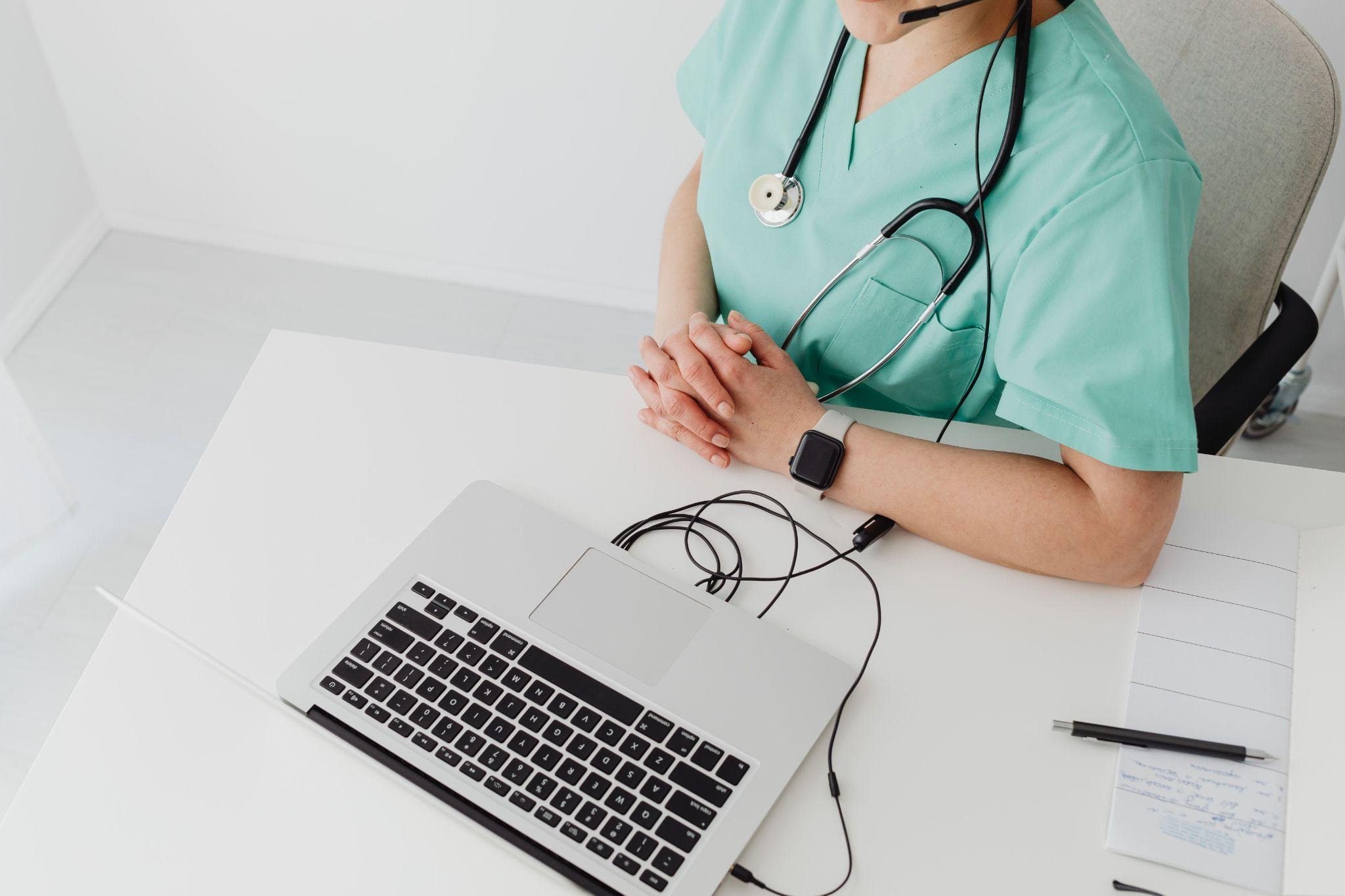
Registered nurses develop essential clinical abilities through education and hands-on experience, but nursing responsibilities increasingly extend beyond direct bedside care. Advancing your education can strengthen broader skills in care coordination, evidence evaluation, interdisciplinary communication and healthcare delivery.
An online RN-to-BSN program builds on your existing knowledge rather than starting from scratch. The curriculum expands your perspective on professional nursing while allowing you to connect new concepts with situations encountered in clinical practice.
Strengthen Clinical Judgment
Advanced nursing practice requires more than recognizing symptoms and following established procedures. You need to assess changing information, identify priorities and understand how different factors affect a patient’s overall care. RN-to-BSN curricula can develop these abilities through areas such as health assessment, evidence-based nursing and pathophysiology-informed assessment.
This education also encourages you to examine the reasoning behind clinical decisions. Instead of focusing only on what action to take, you explore why a particular approach fits the available evidence and the patient’s circumstances.
Programs offered through institutions such as St. Thomas University provide registered nurses with a path toward completing a bachelor’s degree while building on their existing nursing education. Its curriculum includes areas such as health assessment, evidence-based practice, leadership, community health, informatics and healthcare systems.
Developing clinical judgment also involves connecting individual observations with the wider care plan. That broader perspective places assessment findings within the context of patient needs, available evidence and other elements of care.
Turn Evidence Into Better Care
Modern nursing depends on the ability to evaluate information rather than simply follow familiar routines. RN-to-BSN coursework introduces research methods, evidence-based practice and ways to assess whether clinical information comes from credible sources.
Coursework connects research findings with practical nursing questions, providing a framework for distinguishing stronger evidence from assumptions and understanding why healthcare recommendations change as new findings emerge.
Evidence-based education strengthens several practical abilities:
- Locating credible nursing and healthcare research,
- Evaluating the quality and relevance of clinical evidence,
- Comparing findings across multiple sources,
- Connecting research with patient needs and professional judgment,
- Understanding how evidence supports changes in nursing practice.
These skills matter because clinical environments continually evolve. New research, technologies and care standards require nurses to keep learning throughout their careers.
Developing research literacy also makes professional learning more purposeful. Rather than relying solely on established habits, you gain a framework for asking informed questions, reviewing evidence and connecting credible findings with everyday nursing decisions.
Lead Within Care Teams
Leadership in nursing does not begin only when you receive a management title.
Coordinate Care
RN-to-BSN education expands your understanding of how different healthcare professionals contribute to patient care. You learn to consider communication, delegation and coordination across interdisciplinary teams.
These skills help you understand where nursing responsibilities intersect with those of physicians, therapists, pharmacists, social workers and other professionals. Coordination helps align different professional responsibilities around shared care goals.
Communicate Clearly
Professional communication requires accuracy, context and an awareness of the audience. Coursework provides opportunities to develop clear communication with colleagues, patients, families and organizational leaders.
Clear communication becomes especially important when priorities change. Nurses often connect multiple parts of the care process, making concise and accurate information essential.
Develop Leadership Skills
Leadership courses explore decision-making, team dynamics, conflict resolution and professional accountability. These subjects help you understand how effective nursing leadership supports both colleagues and patients.
This broader perspective helps you understand how your role fits into the larger care process. Instead of focusing only on individual tasks, you learn to consider how communication, coordination and professional judgment work together to support consistent care across the healthcare team.
Understand Population Health
Nursing care often begins with an individual patient, but health outcomes also reflect conditions beyond the clinical setting. RN-to-BSN programs broaden your perspective by introducing community health, public health, prevention and health education.
You examine how social and environmental factors relate to healthcare needs. This wider perspective helps connect individual patient concerns with patterns affecting families and communities.
Population health coursework commonly develops skills related to:
- Recognizing health patterns across different populations,
- Understanding barriers to healthcare access,
- Supporting prevention and health education,
- Identifying community-based healthcare resources,
- Considering cultural factors when communicating about care.
Studying these areas encourages you to look beyond immediate symptoms. A patient’s ability to follow a care plan, for example, might depend on transportation, health literacy, family support, or access to services.
This perspective places individual health decisions within a broader social and community context. It also provides knowledge relevant to community and preventive healthcare initiatives.
Understand the Bigger Healthcare Picture
A bachelor’s-level nursing education also explores the systems surrounding direct patient care. Courses in healthcare policy, quality improvement, ethics, informatics and organizational practice help you understand how decisions made beyond the bedside affect everyday nursing.
Quality improvement is particularly important. Quality improvement coursework examines processes, recurring problems and how healthcare teams use data to evaluate care. This perspective shifts attention from isolated events toward patterns that organizations can address systematically.
Health informatics adds another dimension. Digital records and clinical technologies generate large amounts of information, so nurses need to understand how accurate documentation and responsible data use support communication and continuity of care.
Policy and ethics coursework provides additional context for professional responsibilities. By examining standards, regulations, ethical questions and organizational priorities, you develop a more complete picture of modern healthcare.
That systems-level understanding helps connect bedside responsibilities with the larger structures shaping patient care and professional nursing practice.
Building Skills for the Next Stage of Nursing
An online RN-to-BSN program builds on the knowledge registered nurses already bring to patient care. Bachelor’s-level study broadens that foundation through research, leadership, population health, communication, quality improvement and healthcare systems. These areas also provide context for understanding how nursing responsibilities connect with organizational priorities, interdisciplinary collaboration and changing patient needs.
For working nurses, online study provides a way to continue their education alongside existing responsibilities. RN-to-BSN study connects existing nursing experience with a broader understanding of how care is organized, evaluated and supported across contemporary healthcare systems.
