

Blue lotus is one of the most storied flowers of the ancient world. Its soft blue petals appear in Egyptian tomb paintings and temple carvings that span more than 3,000 years. Today the same water lily shows up in wellness shops and online stores. That mix of old and new raises many honest questions.
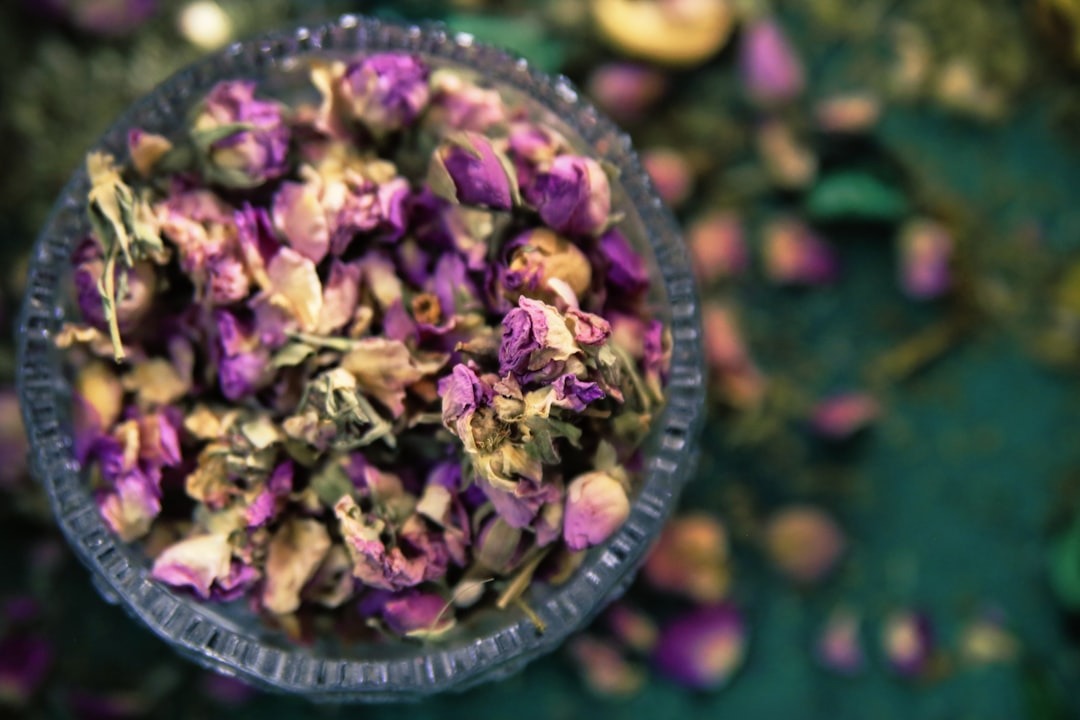
Photo by Graphe Tween on Unsplash
Alt text: Dried blue lotus petals resting beside a warm cup of herbal tea
Many curious drinkers now steep blue lotus flower tea at home. Yet the plant carries a long heritage that deserves a careful look. This guide walks through the basics with a respectful, clear eye.
What Is Blue Lotus Flower Tea?
Blue lotus tea is a brew made from the dried flowers of Nymphaea caerulea. Despite its common name, the plant is a water lily, not a true lotus. It grew along the Nile and other slow waters for centuries. People steep the petals in warm water to make a gentle, floral drink.
The flower has long been part of traditional herbal systems across the region. Its reputation is one of calm and quiet reflection. Blue lotus is a mild psychoactive plant, not a strong sedative. Reported effects are subtle and often described as soothing.
Brewing is simple and forgiving. Most people use a small handful of dried petals per cup. A short steep in hot water draws out the color and aroma. The result is light, faintly sweet, and easy to sip slowly. Some blends pair the petals with mint or chamomile.
What Compounds Give Blue Lotus Its Effects?
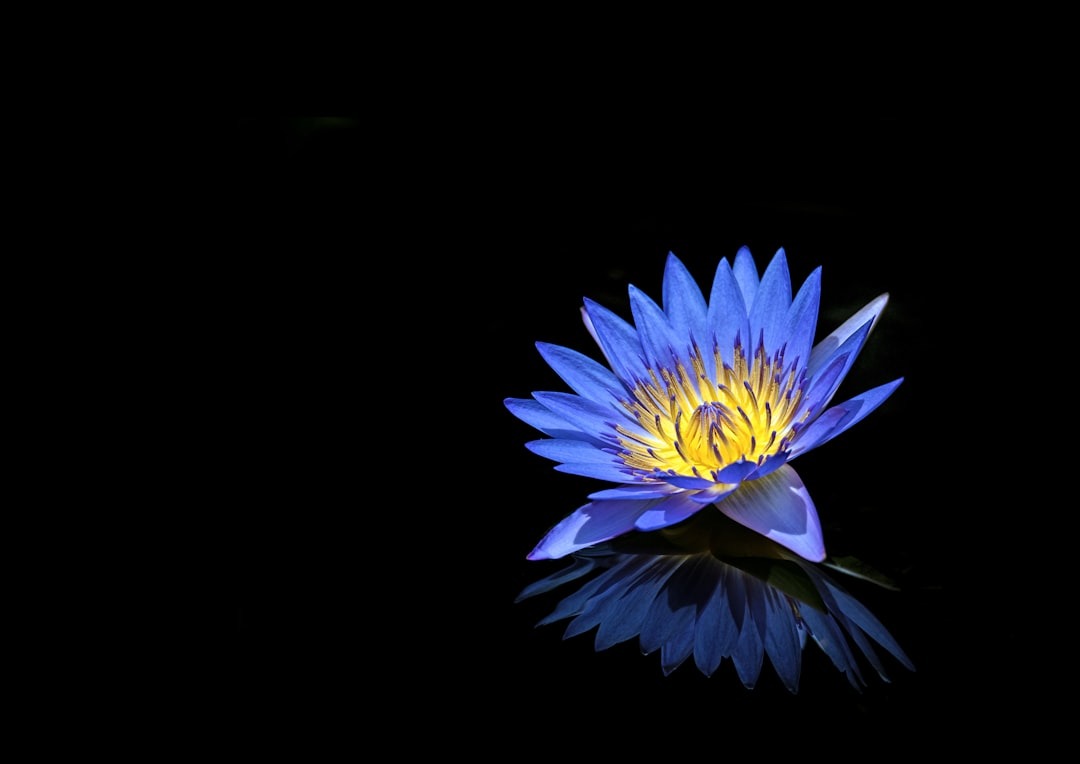
Photo by David Clode on Unsplash
Researchers point to a small set of plant compounds. Just 2 aporphine alkaloids draw the most attention.
- Nuciferine: the lead alkaloid in the flower, tied to a mild, calm mood.
- Apomorphine: present in trace amounts, studied for its action on dopamine pathways.
- Flavonoids: plant antioxidants common to many water lilies.
- Aromatic oils: the source of the flower’s soft, sweet scent.
These compounds interact with dopamine and serotonin pathways in the brain. The reported effect is a lucid, gentle calm rather than heavy sedation. Some drinkers notice a shift within 30 to 90 minutes. Blue lotus can cause unwanted side effects, especially if misused or improperly prepared.
Where Does Blue Lotus Get Its Heritage?
Blue lotus holds one of the richest heritages of any flower. Its story spans more than 3,000 years of Egyptian life. The bloom appears in tomb art, jewelry, and painted temple columns. It symbolized the sun, rebirth, and daily renewal.
Priests and nobles wove the flower into ritual and celebration. Ancient artists painted it in the hands of gods and pharaohs. Recent science supports that ritual role. A 2024 study found blue lotus traces in a ritual vase from about 150 BCE.
The blue water lily also shaped everyday symbolism. It opened at dawn and closed at dusk, mirroring the sun’s path. Egyptians tied that rhythm to renewal and the afterlife. The bloom appears on countless carvings and painted scrolls. Few plants earned such a lasting place in art.
The flower also spread through folk custom and art beyond Egypt. Its calm reputation carried into later herbal lore. That heritage gives blue lotus real cultural weight. Respecting this history helps modern readers understand it fairly.
What Should You Keep In Mind Before Trying It?
A little preparation goes a long way. Thoughtful sourcing and modest amounts make the difference. Keep these practical points in mind:
- Product quality varies, so choose sellers who share clear sourcing details.
- Good vendors describe their herbal preparations and petal quality.
- Legality varies by location, so check your local rules first.
- Keep it adults-only, and consult a qualified professional first, especially alongside any medication.
- Possible interactions exist, so review other supplements and drinks with care.
- Start with a small amount, and treat the flower with respect.
What Does the Research Say About Blue Lotus?
Modern human research on blue lotus is still limited. Most of what exists comes from chemistry and small lab work. A recent safety assessment reviewed the flower’s compounds and market products. It found wide variation in how products are labeled and prepared.
Some findings look promising, yet the science stays early. Tradition and anecdote remain valuable context here. They reflect thousands of years of lived human experience. Old use is a legitimate part of the story.
Readers should also weigh a practical caveat. Some published studies are industry-funded, and a few reflect pay-for-play arrangements. Blue lotus makes no proven medical or therapeutic claim. By 2026, dried petals and teas are widely sold online.
Good sellers now share sourcing and preparation notes. That transparency reflects the care the tradition deserves. Labels should list the plant name and origin. Clear details help curious adults compare products fairly.
Blue Lotus Points to Remember
- Blue lotus is a water lily, Nymphaea caerulea, not a true lotus.
- Its main compounds are the alkaloids nuciferine and apomorphine.
- It carries a deep heritage in ancient Egyptian ritual and art.
- It can cause unwanted side effects if misused or improperly prepared.
- Research is still limited, and some studies are industry-funded.
- Thoughtful sourcing, modest amounts, and local legality checks matter most.
Curiosity Rooted In Ancient Ritual
Blue lotus is a graceful flower with a long, storied past. From Nile temples to modern teacups, its heritage runs deep. That history is part of what makes it so compelling today.
Curious adults can honor that tradition with care and respect. The blue water lily rewards readers who approach it with open, informed curiosity.
FAQ
What Does Blue Lotus Tea Taste Like?
Blue lotus tea has a soft, floral flavor with a faint earthy note. Many drinkers add honey or mint to round it out. The brew is usually pale gold in color.
Is Blue Lotus Flower Tea Legal?
Legality varies by location, so check your local rules first. It is unregulated in many places but restricted in a few. Always confirm the status where you live before buying.
How Did Ancient Egyptians Use Blue Lotus?
Egyptians featured the flower in ritual, art, and celebration for centuries. It symbolized the sun, rebirth, and renewal. Priests and nobles used it in ceremonial settings.
Does Blue Lotus Interact With Medications?
Possible interactions exist, so caution makes sense. Consult a qualified professional first, especially alongside any medication. This matters most for adults taking sedatives or other prescriptions.
