

Social media has emerged as a powerful tool that affects various aspects of our lives. Today, brand reputation can also be impacted by social media, as customers openly air their grievances, complain, and criticize on platforms.
When customers are unhappy with a business’s services, they air their grievances online in real-time, potentially damaging the brand’s reputation. Here is how social media can impact brand reputation.
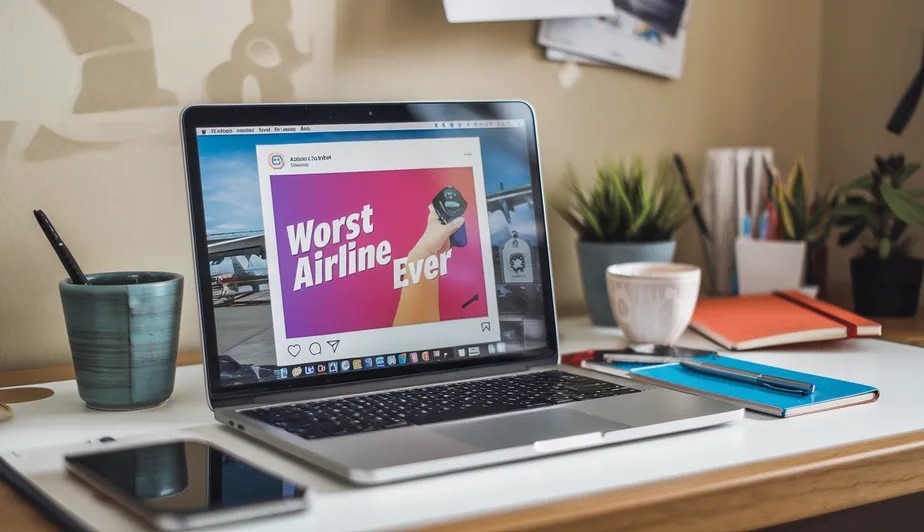
How to Use Social Media for Brand Reputation
Social media offers a powerful channel for brands to connect with customers. Businesses can use social media to improve their brand reputation in different ways, such as:
Increasing Brand Awareness
Social media sites offer unmatched opportunities for brands to reach various audiences. When you regularly share helpful content, engage with your followers, use targeted advertising, and add a perfect CTA for each platform, you can considerably increase your brand’s visibility. Such a level of awareness can be key to improving brand reputation and increasing loyalty among your current customers.
Drive Customer Engagement
A key advantage of social media platforms is that they enable brands to directly engage with their customers. Through platforms like Facebook, Instagram, and Twitter, customers can engage with their audiences in real-time. Such a communication level enables businesses to understand their customers’ needs, preferences, and challenges.
By promptly responding to customer messages, comments, and reviews, brands can demonstrate their commitment to customer satisfaction. They also get a chance to understand the customer’s preferences and resolve any issues, therefore improving the brand reputation. Through positive social media interactions, customers can become strong brand advocates.
Stay Ahead of Social Media Crisis
Even though social media offers various benefits, it also carries risks, such as negative reviews, comments, or viral posts that can harm your brand’s reputation. This means brands need to proactively manage public sentiments. By monitoring social media platforms for feedback and mentions, brands can stay ahead of potential social media crises.
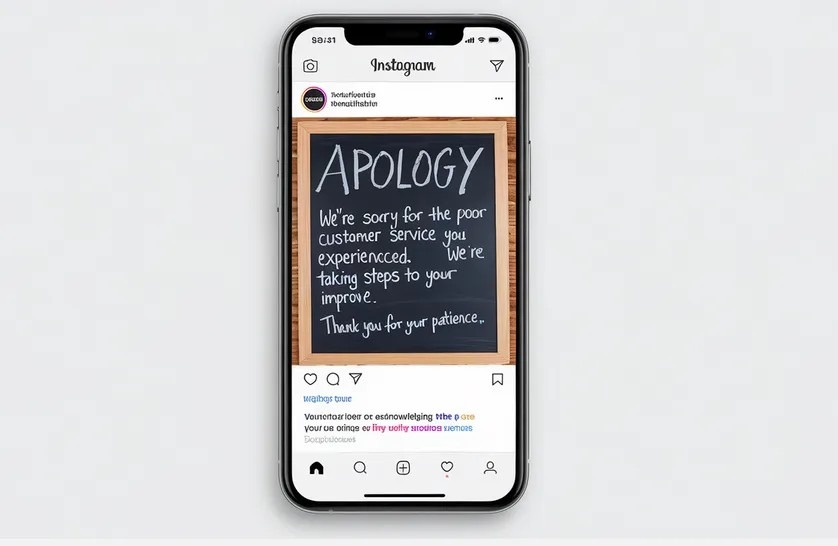
In the event of any negative feedback, they can address it constructively and transparently, mitigating potential damage and turning it into a positive. Through honest and consistent communication, you can enhance your brand’s credibility and trust.
Social Proof
Adding social proof, such as reviews, customer testimonials, and UGC, can be a great way to enhance your brand’s reputation. You can use social media platforms to display this proof. These can include customer testimonials and reviews shared on the social media platform to enhance the customer’s purchasing decision.
You can encourage your satisfied customers to share their experiences and tag your brand to amplify the effect. You can also use UGC, such as videos and photos, to demonstrate your brand’s reliability and authenticity. An organic promotion can improve your brand’s credibility and reputation, making it an important tool for a long-term social media growth strategy. A follower count feeds the same first impression, and some businesses buy social media followers from Mixx while a page is still new, though the reviews and posts underneath are what a visitor actually reads.
Remaining Competitive
As digital trends keep shifting, you need to maintain a positive brand reputation. Social media platforms help brands stay abreast of the latest trends, conduct competitor analysis, and understand customers’ preferences. When you remain informed and keep adapting your strategies, your brand can remain competitive.
It would also be a good idea to keep updating your social media profiles with fresh content and joint trends, and to use new tools and features to keep your customers in mind. Having such a proactive approach will enable your brand to remain relevant and maintain its brand reputation.
The Risk of Social Media on Brand Reputation
Social media also poses a serious risk to brand reputation, as it enables the fast spread of negative feedback, crises, and misinformation. Even a well-intentioned social media post can be misunderstood by consumers, leading to backlash for the company. Additionally, as cancel culture spreads rapidly, brand reputations can be harmed quickly. Some of the top risks of social media on brand reputation include:
- Viral negative feedback. A disgruntled customer can make a post that goes viral, quickly spreading widely. This can turn the single issues into a PR disaster.
- Rumors and misinformation. At times, fabricated stories and false information spread quickly, undermining your brand’s credibility and authenticity.
- Amplifying your crisis. A single mistake on social media can be amplified, making it hard to contain a social media crisis.
- Fake accounts and misinformation. Scammers can create fake profiles or even sell counterfeit products, misleading customers and damaging a brand’s trust. A good idea is to adopt a cross-platform posting strategy to maintain a consistent look.
- Poor management and inconsistency. If your campaigns aren’t well thought-out or are outdated, they can confuse your audience and harm your company.
- Being associated with some negative issues. Even when a brand isn’t directly involved, it can face backlash if it is linked to controversial political or social topics related to cancel culture.
When brands are seen in a negative light on social media, this can have several consequences, such as:
- Financial loss. Negative backlash can result in lower sales, a lower stock price, and lost revenue.
- Trust erosion. This can negatively impact customer goodwill and loyalty.
- Audience alienation. Consumers can boycott brands because of their poor reputation or any perceived lower sales.
- Legal issues. This can also have a legal impact depending on the content.
How to Mitigate the Risk of Social Media on Brand Reputation
There are several steps you can take to mitigate these risks of social media on a brand’s reputation. These are:
- Monitor proactively. You can use AI tools to track negative brand mentions and any other emerging issues.
- Create a crisis management strategy. Ensure that you have clear protocols for responding fast, including issuing acknowledgments or apologies.
- Respond rapidly. Any negative feedback should be responded to promptly and transparently before it escalates.
In Conclusion
Social media customers are more enlightened than ever before. Before they buy a product, they will visit its social media pages, read reviews, and check the brand’s online presence. Building a strong social media reputation can set your business apart from competitors. On the other hand, a poor reputation can drive customers away.
A good social media reputation management strategy should involve tracking social media activity, handling any negative feedback, and actively sharing positive content. This can help you create a polished image that works with your target audience.
