

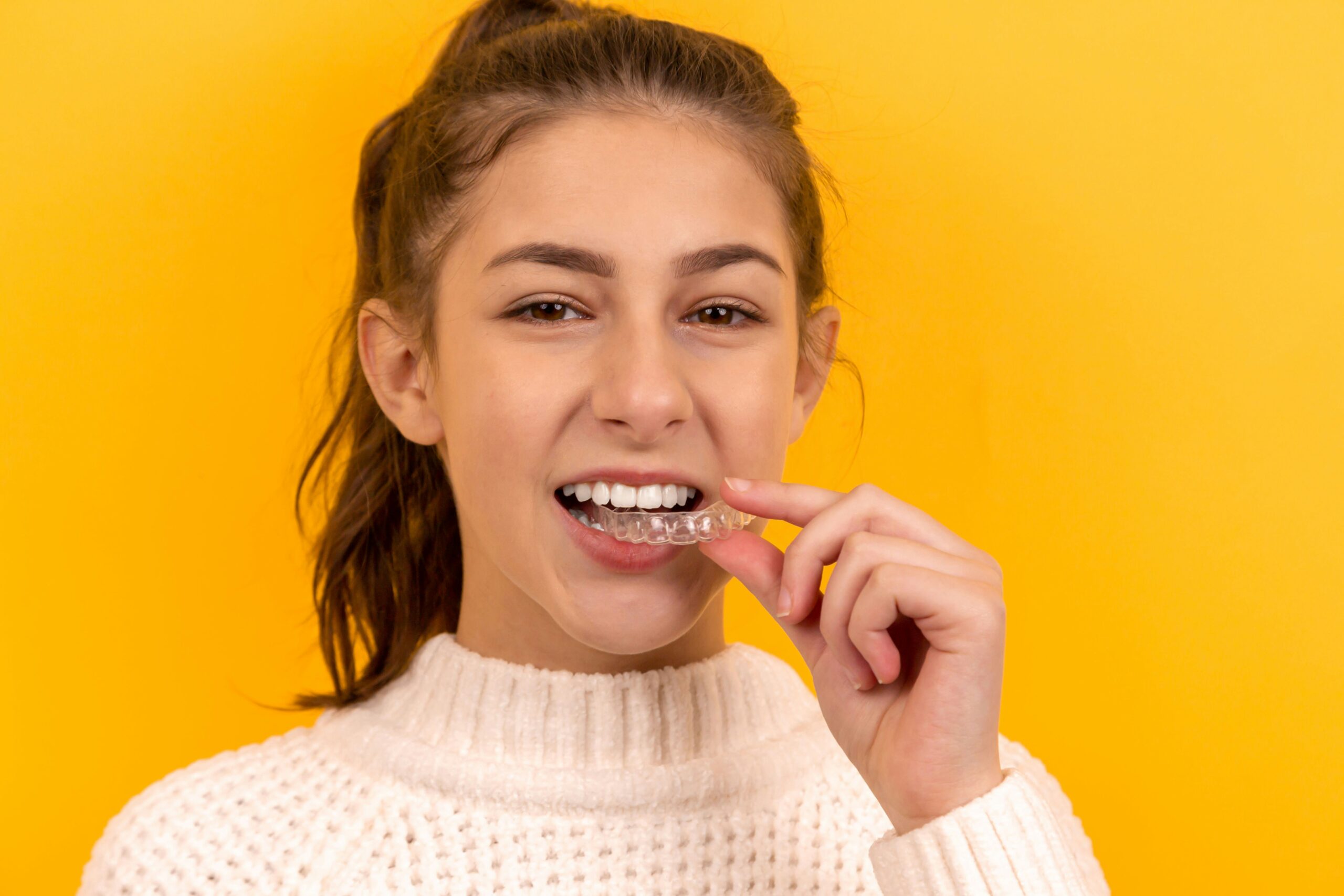
According to the American Association of Orthodontists’ 2024 data, clear aligner treatment has grown by over 30% annually for the past three years, making it the fastest-growing segment in orthodontics. What started as a niche alternative for mild crowding has evolved into a sophisticated treatment modality capable of addressing complex bite issues that once required traditional metal braces.
This surge reflects more than just aesthetic preferences. As remote work reshapes professional interactions and social media amplifies appearance consciousness, adults increasingly seek orthodontic solutions that don’t advertise their treatment status. Meanwhile, advances in 3D printing and biomaterial science have dramatically improved treatment predictability and comfort. For patients weighing their orthodontic options in 2025, understanding how clear aligners actually work — and where they excel versus fall short — has become essential for making informed treatment decisions.
How Do Clear Aligners Move Teeth During Treatment?
Clear aligners move teeth through controlled biomechanical forces applied in precise, incremental stages. Each aligner in a series applies gentle pressure to specific teeth, creating areas of compression and tension in the periodontal ligament — the connective tissue anchoring teeth to bone. When pressure compresses one side of this ligament, bone-resorbing cells called osteoclasts break down bone tissue. Simultaneously, bone-building cells called osteoblasts form new bone on the tension side. This remodeling process, occurring over 7-10 days per aligner, gradually shifts teeth into new positions.
The treatment begins with digital impressions or molds that capture precise tooth positions. Orthodontists use specialized software to map the desired final alignment, then calculate the optimal path for each tooth to reach its target position. This planning phase determines how many aligners the series will require — typically 15-40 sets for comprehensive treatment — and identifies any attachments needed.
Small, tooth-colored attachments often anchor certain movements. These composite resin bumps, bonded to specific teeth, provide leverage points that help aligners grip and rotate teeth more effectively. Without attachments, aligners would slide over smooth tooth surfaces without generating sufficient force for complex movements like root torquing or vertical repositioning.
Patients wear each aligner 20-22 hours daily, removing them only for eating and cleaning. The consistent pressure maintains the biological processes driving tooth movement, while the removable design prevents the oral hygiene challenges associated with fixed appliances. Most orthodontists schedule check-ups every 6-8 weeks to monitor progress and provide the next batch of aligners, making treatment more convenient than traditional braces requiring monthly adjustments.
What Are the Key Benefits of Clear Aligners Compared to Braces?
How Clear Aligners Improve Comfort and Aesthetics
Clear aligners eliminate the sharp edges, protruding wires, and metal components that make traditional braces notorious for causing soft tissue irritation. The smooth, custom-fitted thermoplastic creates even pressure distribution across tooth surfaces without creating pressure points that dig into cheeks or lips. Patients typically experience mild discomfort for the first few days of each new aligner, but this sensation rarely requires pain medication and doesn’t include the cuts and abrasions common with metal brackets.
The aesthetic advantage extends beyond simple transparency. Clear aligners maintain their nearly invisible appearance throughout treatment, while traditional braces accumulate food particles and plaque that create noticeable discoloration around brackets. Professional photos, video calls, and social interactions proceed without the self-consciousness many adult patients report with visible orthodontic hardware. This discretion has proven particularly valuable for professionals in client-facing roles where appearance impacts career advancement.
How Aligners Enhance Oral Hygiene and Lifestyle Flexibility
Removable aligners revolutionize oral hygiene maintenance during orthodontic treatment. Patients can brush and floss normally, accessing all tooth surfaces without navigating around brackets and wires. This accessibility significantly reduces the plaque accumulation and white spot lesions that affect nearly 50% of traditional braces patients, according to Journal of Clinical Orthodontics research from 2023.
The removal feature also eliminates dietary restrictions entirely. While braces patients must avoid sticky, hard, and chewy foods that damage appliances, aligner patients simply remove their trays before eating anything. This freedom extends to special occasions — patients can remove aligners for wedding photos, important presentations, or romantic dinners without compromising treatment progress, provided they maintain the required daily wear time.
What Are Common Misconceptions and Limitations of Clear Aligners?
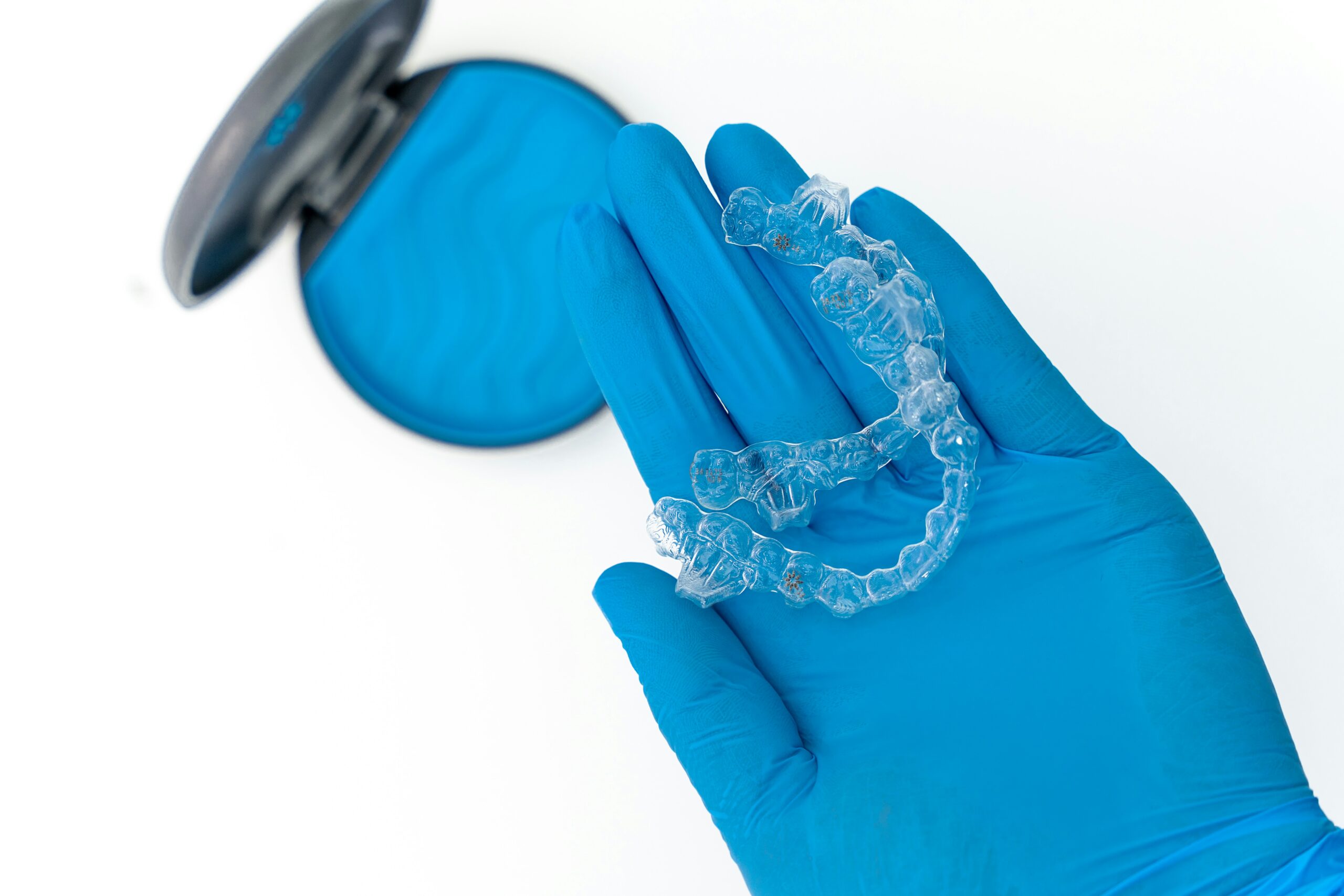
The most persistent misconception positions clear aligners as “easier” than traditional braces, when they actually require greater patient discipline. Success depends entirely on compliance — wearing aligners 20-22 hours daily without exception. Patients who frequently remove aligners for convenience or forget to reinsert them after meals can extend treatment time significantly or fail to achieve planned results entirely.
Clear aligners also have legitimate treatment limitations that some marketing materials downplay. Severe rotations, particularly of canine teeth, often require traditional braces or hybrid treatment approaches. Complex bite corrections involving significant jaw repositioning may exceed aligner capabilities. Extracting teeth to create space typically works better with fixed appliances that can close extraction gaps more predictably.
Age presents another consideration often overlooked. While aligners work well for responsible teenagers and adults, younger children may struggle with the compliance demands. Lost or damaged aligners create treatment delays and additional costs. Some patients also discover they’re prone to removing aligners unconsciously during sleep, requiring custom retention solutions.
The technology continues advancing rapidly, but patients should understand that their specific case complexity, not general marketing claims, determines whether aligners represent the optimal treatment choice. Orthodontists who offer multiple treatment modalities provide the most objective assessment of whether clear aligners match a patient’s needs and lifestyle realistic expectations.
How Should Patients Care for Clear Aligners and Adapt Their Lifestyle?
Daily aligner maintenance requires a simple but consistent routine that prevents bacteria buildup and material degradation. Patients should rinse aligners with lukewarm water immediately after removal and brush them gently with a soft toothbrush — never hot water, which can warp the thermoplastic material. Specialized aligner cleaning tablets, dissolved in water once daily, remove stubborn plaque and eliminate odors that develop from extended wear.
The eating routine requires some initial adjustment but becomes automatic within weeks. Patients must remove aligners before consuming anything except plain water, brush their teeth after eating, then reinsert clean aligners. This process initially feels cumbersome during business lunches or social dinners, but most patients adapt by choosing simpler foods when time is limited and carrying travel-size toothbrushes for post-meal cleaning.
Speech adaptation typically occurs within the first week as tongues adjust to the aligner material. Some patients experience a slight lisp initially, particularly with words containing “s” and “th” sounds. Reading aloud for 10-15 minutes daily accelerates this adjustment period. Professional speakers, teachers, and salespeople should plan their aligner start date to allow this adaptation period before important presentations.
Storage presents ongoing practical challenges that require planning. Patients need designated cases for aligners during meals and should carry backup cases to prevent losing aligners wrapped in napkins — a surprisingly common occurrence that can derail treatment progress. Creating systems for consistent aligner management becomes crucial for maintaining the strict wearing schedule that drives successful outcomes.
What Does the Evidence Say About Clear Aligner Effectiveness and Satisfaction?
Large-scale orthodontic research demonstrates that clear aligners achieve comparable results to traditional braces for mild to moderate crowding, spacing, and bite irregularities. A 2023 systematic review in the American Journal of Orthodontics analyzed treatment outcomes across 15 studies involving over 3,000 patients and found no clinically significant difference in final tooth positions between aligner and braces patients when cases were appropriately selected.
Patient satisfaction surveys consistently favor clear aligners, with treatment experience scores averaging 8.7 out of 10 compared to 6.9 for traditional braces in recent American Association of Orthodontists surveys. The primary satisfaction drivers include comfort during treatment, ability to maintain normal eating habits, and confidence in social situations. However, this same research revealed that aligner patients who struggled with compliance reported significantly lower satisfaction and longer treatment times.
Long-term stability outcomes show promising trends, though clear aligners remain newer technology than traditional braces. Five-year post-treatment studies indicate that properly retained aligner cases maintain their corrections at rates similar to braces patients. The key factor appears to be retention protocol adherence rather than initial treatment method — patients who commit to following expert Invisalign treatment recommendations for long-term retainer use preserve their investment regardless of which appliance created their new smile.
What emerges from current evidence is that treatment success depends more on appropriate case selection and patient commitment than inherent superiority of either technology. As clear aligner capabilities continue expanding through improved materials and treatment planning software, the decision increasingly comes down to matching patient preferences and lifestyle factors with realistic treatment expectations.


