

Medical cannabis used to be just flower and edibles. That’s changing fast. Concentrates are showing up in more treatment plans now. Patients want stronger options that work faster.
These products pack way more cannabinoids into each dose. We’re talking 50% to 90% potency levels. Patients get quicker symptom relief. Dosing becomes more exact. Providers need to understand what that means for patient safety.
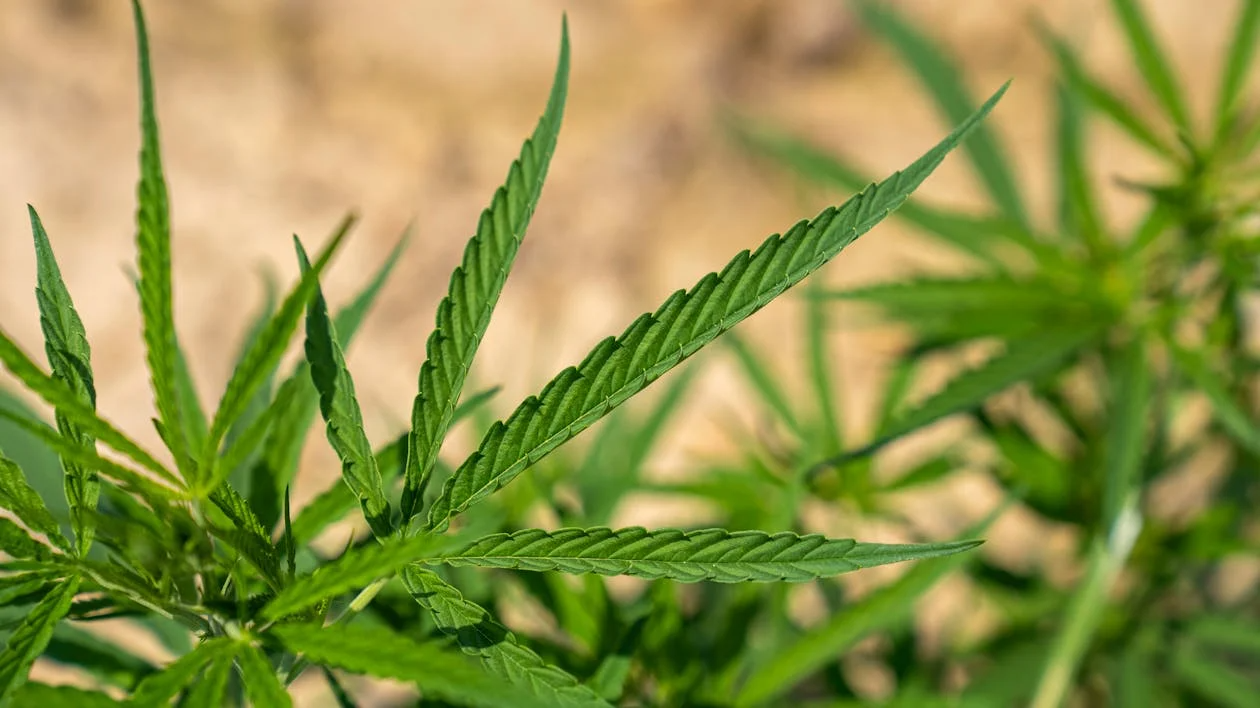
Photo by Mark Stebnicki
Types of Cannabis Concentrates in Medical Use
Cannabis concentrates break down into a few main types. The differences come from how they’re made. Solvent extracts like shatter and wax use butane or CO2. They pull cannabinoids right out of the plant. These hit 70% to 90% THC content.
Solventless methods work differently. They use heat, pressure, or shaking to separate the good stuff. No chemicals needed. Kief represents one of the simplest concentrate forms. It’s the dusty trichomes that fall off cannabis flowers during handling. Patients who buy bulk kief often find it more affordable than processed extracts while still getting concentrated cannabinoids.
Hash is another old form out there. You compress trichomes under heat and pressure. Modern hash reaches 40% to 60% THC pretty easily. Rosin takes flower or hash and squishes it under heat. No solvents involved. Many patients like this option. They worry less about what’s left behind in the final product.
Live resin freezes the plant right after harvest. It keeps more terpenes than dried methods. Patients notice stronger flavors and different effects. The National Institute on Drug Abuse tracks concentrate potency trends. Their data shows a big jump in the last ten years. That matters for how we counsel patients. Each type hits differently too. Onset times vary. Duration changes. Providers need these details when patients ask questions.
Kief as a Traditional Concentrate Option
Kief consists of trichome glands that hold all the cannabinoids and terpenes. It usually measures 40% to 50% THC. That sits right between regular flower and heavy concentrates. You collect it through dry sifting or use a grinder with multiple chambers. The powder looks tan or golden.
Patients smoke it in pipes. Some vaporize it. Others sprinkle it on flower to boost strength. A few make homemade edibles with it. Several state medical programs list kief as its own category. Possession limits treat it separately from flower.
Kief works well for people new to concentrates. The medium strength reduces overdose risk. Anyone who smokes flower can handle kief pretty easily. It keeps more of the plant’s natural smell and taste. Heavy processing strips that away.
Storage is important with this stuff. The fine particles lose strength when light and air hit them. Patients should use airtight containers. Keep them somewhere cool and dark. That preserves cannabinoid levels for months.
Clinical Dosing and Onset Considerations
Getting concentrate doses right takes different thinking than flower. The potency gap creates real problems when patients don’t adjust. Breaking down how each method works helps prevent bad outcomes.
Understanding Concentrate Potency
Concentrate doses look nothing like flower doses. A typical joint has 10% to 20% THC. One dab of concentrate might have 70% or more. Patients miss this difference all the time. They take too much. Starting small prevents bad reactions.
Inhalation Methods and Timing
Inhaling concentrates works fast. Effects start within minutes. Blood levels peak at 10 to 15 minutes. Everything lasts two to four hours. Your metabolism changes how long it sticks around. This speed helps acute symptoms. But timing matters a lot.
Vaporizing at set temperatures works best. Special devices let patients control the heat. Lower temps keep terpenes intact. Hits feel smoother too. Higher temps make more vapor. But some compounds break down. That changes the effect.
Edible Concentrate Guidelines
Edibles made with concentrates need different warnings. Nothing happens for one to two hours. But effects last six to eight hours minimum. Sometimes longer. Patients must wait before taking more. Most bad reactions come from people getting impatient. They eat another dose too soon.
Patient Selection and Safety Factors
Concentrates aren’t right for everyone. New users face real risks. So do people with anxiety problems. The high potency triggers panic in some folks. Anyone with heart issues should skip high-dose THC methods entirely.
Your body builds tolerance quickly with regular use. Patients need bigger doses to feel the same effects. That raises dependence worries. Treatment costs go up too. Taking breaks helps reset your system.
Breathing health matters with inhaled concentrates. Vaping beats smoking for safety. But frequent hot vapor still bothers your airways. Asthma patients need other options. Same goes for COPD cases.
Cannabis Use Disorder risk goes up with concentrates. High potency plus fast effects create strong habits. Check for problem patterns at follow-ups. Watch for patients using more than they planned. Or people who can’t cut back when they try.
Drug interactions get more serious with concentrates. THC messes with liver enzymes. Those enzymes process lots of medications. Blood thinners need attention. So do seizure meds and sedatives. Closer monitoring helps. Some doses need adjustment.
Implementing Concentrates in Practice
Document concentrate use in every patient file. Write down the product type. Note THC content and how they use it. This tracking shows what works. It catches bad reactions early. Regular visits let you fine-tune doses.
Give patients written materials about concentrates. Explain how types differ. Cover when each one makes sense. Written stuff helps people remember safety points. Some states make dispensaries hand out standard education sheets.
Lab testing matters way more with concentrates. Patients need real potency numbers. Contaminant screening protects them too. Good vendors provide test certificates. These show exact cannabinoid percentages. They prove no pesticides, heavy metals, or leftover solvents. Testing stops contaminated products from reaching patients.
Starting people on lower-strength concentrates makes sense. Kief has moderate THC levels. Patients can adjust their dose gradually. Risk of taking too much drops. They can move to stronger stuff later if symptoms need it. This gradual approach keeps people safer.
Moving Forward with Concentrate Therapy
Medical cannabis concentrates help certain patients a lot. But they need careful management. Know your product types. Understand proper dosing. Pick the right patients. Check in regularly. These steps lead to safe use and better results.


