


According to the American Dental Association’s 2023 emergency care data, dental emergencies send over 2 million Americans to hospital emergency rooms annually — yet 90% of these cases could be better managed with immediate first aid and prompt dental care rather than costly ER visits. As healthcare costs continue climbing and emergency room wait times stretch longer, the gap between knowing what constitutes a true dental emergency and understanding how to respond effectively has never been more critical.
These situations don’t wait for convenient timing. A knocked-out tooth during a weekend soccer game, severe tooth pain that strikes at midnight, or a child’s dental trauma during a family vacation all demand immediate decision-making that can determine whether the outcome is a simple fix or months of complex treatment. For anyone who’s ever wondered whether dental pain warrants an emergency room visit or how to preserve a damaged tooth until professional help arrives, the next few minutes of preparation could save both significant expense and long-term complications.
How to Recognize a Dental Emergency Fast
The difference between urgent dental care and a situation that can wait until Monday morning often comes down to recognizing specific warning signs that indicate tissue damage, infection risk, or structural compromise. Understanding these distinctions helps you respond appropriately without either dismissing serious problems or panicking over manageable discomfort.
Severe, persistent pain that doesn’t respond to over-the-counter medications signals potential nerve involvement or infection. Unlike the dull ache that might follow a dental procedure, emergency-level pain typically intensifies over time and may radiate to your jaw, ear, or neck. Facial swelling, particularly when accompanied by fever, indicates infection that could spread to dangerous areas if left untreated.
Uncontrolled bleeding from dental trauma or visible pus around teeth or gums both require immediate attention. Similarly, loose or displaced teeth in adults — whether from injury or sudden onset — need emergency care to maximize the chances of successful treatment.
Common Types of Dental Emergencies
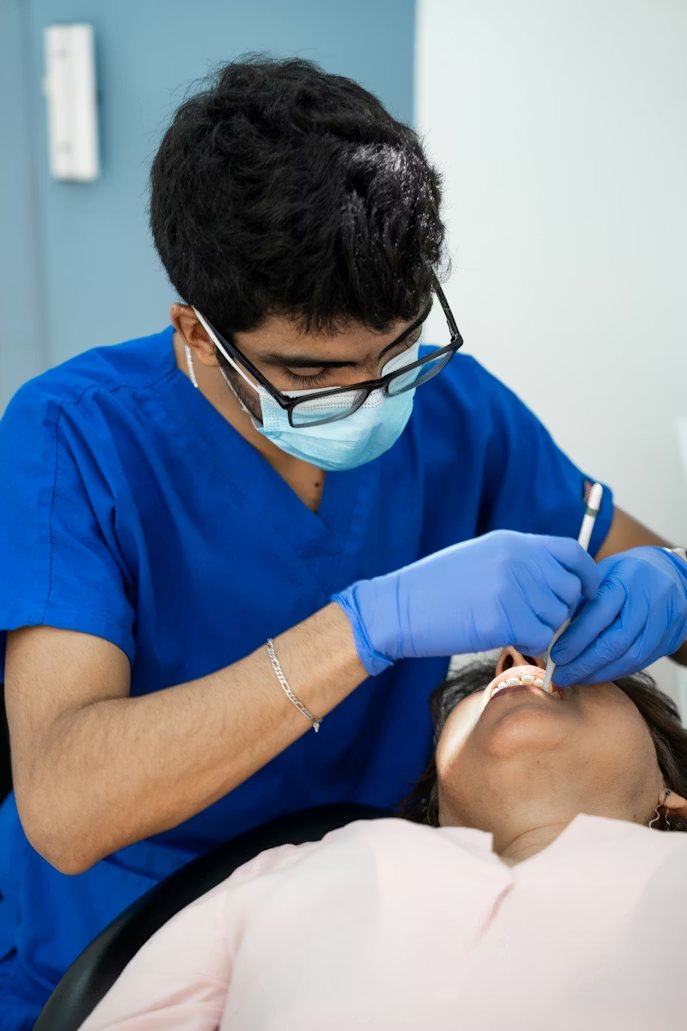
Knocked-out teeth represent the most time-sensitive dental emergency, with successful reimplantation rates dropping significantly after the first hour. Adult permanent teeth have the best chance of survival when handled properly and reimplanted within 30 minutes of the injury.
Severe toothaches that prevent sleep or normal function, especially when accompanied by swelling or fever, often indicate infection that has reached the tooth’s nerve or spread beyond the tooth structure. Broken or fractured teeth require emergency care when the break exposes the inner tooth layers, causes sharp edges that cut soft tissues, or involves significant portions of the tooth structure.
Dental abscesses — infected pockets of pus around tooth roots or gums — can escalate rapidly into life-threatening conditions if the infection spreads to surrounding tissues or enters the bloodstream.
Key Signs and Symptoms to Watch For
Temperature sensitivity that lingers long after exposure to hot or cold substances often indicates nerve damage requiring urgent intervention. Metallic taste combined with pain may signal a failing filling or crown that’s exposing the tooth’s interior to bacteria.
Difficulty swallowing or opening your mouth suggests swelling that could compromise your airway — this combination with dental pain warrants immediate medical attention. Persistent bleeding that doesn’t respond to direct pressure after 15-20 minutes indicates trauma beyond what simple first aid can address.
Jaw pain that accompanies dental symptoms, especially if it radiates down your neck or causes ear pain, may indicate infection spread or significant structural damage that needs professional assessment within hours rather than days.
What Immediate Actions to Take During a Dental Emergency
The first 30 minutes following dental trauma often determine whether damage can be reversed or requires extensive reconstruction. Your immediate response should focus on controlling pain and bleeding, preserving damaged tissues, and preventing additional injury while arranging professional care.
Pain management starts with appropriate over-the-counter medications used at proper intervals — ibuprofen works particularly well for dental pain because it reduces inflammation along with pain. Cold compresses applied to the outside of your face in 15-minute intervals help control swelling and provide numbness, but never apply ice directly to damaged teeth or exposed nerves.
Infection prevention means keeping your mouth clean without aggressive rinsing that might dislodge protective blood clots. Gentle saltwater rinses can help, but avoid vigorous swishing that might worsen bleeding or disrupt healing tissues.
Most importantly, avoid common mistakes that worsen dental emergencies: don’t use aspirin directly on gums (it causes burns), don’t ignore symptoms hoping they’ll resolve overnight, and don’t attempt to reposition displaced teeth with excessive force.
Managing Tooth Injuries Effectively
For knocked-out teeth, time is critical. Pick up the tooth by its crown (the white part), never the root. If dirty, rinse gently with milk or saline solution — never scrub or use tap water, which can damage the root surface cells needed for reattachment.
The ideal storage medium is Hank’s Balanced Salt Solution (available at some pharmacies), but milk works as an excellent alternative because its pH and osmolarity preserve root cells. If neither is available, keep the tooth in your mouth between your cheek and gums, being careful not to swallow it.
For broken teeth, save any large pieces in milk or saline. Rinse your mouth gently and apply gauze to any bleeding areas. Avoid chewing on the damaged side and protect sharp edges with dental wax or sugar-free gum to prevent cuts to your tongue or cheeks.
Handling Soft Tissue Injuries and Bleeding
Control bleeding by applying direct pressure with clean gauze or cloth for 15-20 minutes. If bleeding continues despite pressure, the injury likely requires professional suturing or may indicate damage to major blood vessels.
For cuts inside your mouth, rinse gently with cold water to remove debris, then apply pressure. Bitten tongues or lips often bleed heavily due to rich blood supply but usually respond well to direct pressure and cold compresses applied externally.
Never use hydrogen peroxide on deep wounds, as it can damage healing tissues. Instead, stick to gentle saline rinses after bleeding stops. If you notice signs of infection — increased swelling, warmth, red streaking, or pus — within the first 24 hours, seek immediate care as facial infections can spread rapidly.
Special Considerations for Children and Pregnant Patients
Dental emergencies in these vulnerable populations require modified approaches that balance effective treatment with safety considerations. Children’s developing dental structures respond differently to trauma, while pregnancy introduces medication and radiation safety concerns that influence treatment decisions.
Pediatric dental emergencies often involve both baby and permanent teeth, creating unique treatment priorities. A knocked-out baby tooth, for instance, should never be reimplanted as it could damage the developing permanent tooth beneath. However, space maintenance becomes crucial to prevent neighboring teeth from shifting into the gap.
Pregnancy-related considerations center on medication safety and timing of treatments. Many emergency dental procedures can be performed safely during pregnancy, but certain medications and elective X-rays should be avoided, particularly during the first trimester when organ development occurs.
Communication with both pediatric specialists and obstetricians helps coordinate care that addresses immediate dental needs while protecting long-term health outcomes for children and developing babies.
Managing Pediatric Dental Emergencies
Children’s pain responses often don’t correlate directly with injury severity — a child might not cry despite significant damage, or might be inconsolable over minor injuries. Look for behavioral changes like refusing to eat, excessive drooling, or favoring one side of the mouth rather than relying solely on verbal complaints.
For injured baby teeth, focus on controlling bleeding and pain rather than preservation efforts. However, damaged permanent teeth require the same urgent care as adult teeth, including proper storage techniques for knocked-out permanent molars or incisors.
Calming techniques become crucial for effective first aid. A panicked child won’t cooperate with necessary care steps. Use simple explanations, involve them in the process when possible, and maintain calm energy while addressing their injuries efficiently.
Safe Emergency Dental Care During Pregnancy
Second trimester represents the safest window for emergency dental procedures, as organ development is complete but the baby isn’t yet large enough to create positioning difficulties for the mother during treatment.
Local anesthetics like lidocaine are generally considered safe during pregnancy, making pain control feasible for emergency procedures. However, nitrous oxide should be avoided, and any systemic medications require careful evaluation of risk versus benefit.
X-rays during emergencies can be performed with appropriate shielding when absolutely necessary for diagnosis, but practitioners typically minimize radiation exposure through clinical examination and conservative treatment approaches. Many expectant mothers find that accessing emergency dental care services specifically experienced with pregnancy protocols provides peace of mind during already stressful situations.
Risks and Complications from Delaying Emergency Care
What begins as manageable dental trauma can escalate into systemic health threats when proper care is postponed. Understanding these progression patterns helps motivate timely action and prevents minor emergencies from becoming major health crises.
Infection spread represents the most serious risk of delayed care. Dental infections don’t remain localized — they can spread through facial planes into the neck, affecting breathing and swallowing. Ludwig’s angina, a potentially fatal condition involving floor-of-the-mouth swelling, can develop from untreated dental infections within days.
Tooth loss often becomes inevitable when treatment is delayed beyond critical windows. A tooth that might have been saved with immediate care becomes non-viable after several days of infection or trauma. The subsequent costs of replacement — whether through implants, bridges, or dentures — far exceed emergency treatment costs.
Chronic pain conditions can develop when dental nerve damage isn’t addressed promptly. What might have been resolved with emergency root canal therapy can evolve into complex pain syndromes requiring long-term management with limited success rates.
The financial implications compound over time. Emergency treatment typically costs hundreds of dollars, while delayed care often requires thousands in complex reconstructive procedures. Insurance coverage frequently favors preventive and emergency care over extensive restorative work, creating additional financial burden.
Secondary injuries become more likely as people modify eating patterns, sleep positions, and daily activities to accommodate untreated dental pain. These adaptations can lead to TMJ disorders, nutritional deficiencies, and stress-related health problems that persist long after the original dental emergency is finally addressed.
How to Find and Prepare for Emergency Dental Care
Locating appropriate emergency dental care requires understanding the difference between true dental emergencies that need specialized care and situations where hospital emergency rooms provide adequate initial treatment. Most hospital ERs can manage pain and infection with antibiotics, but they cannot perform definitive dental procedures like root canals or tooth reimplantation.
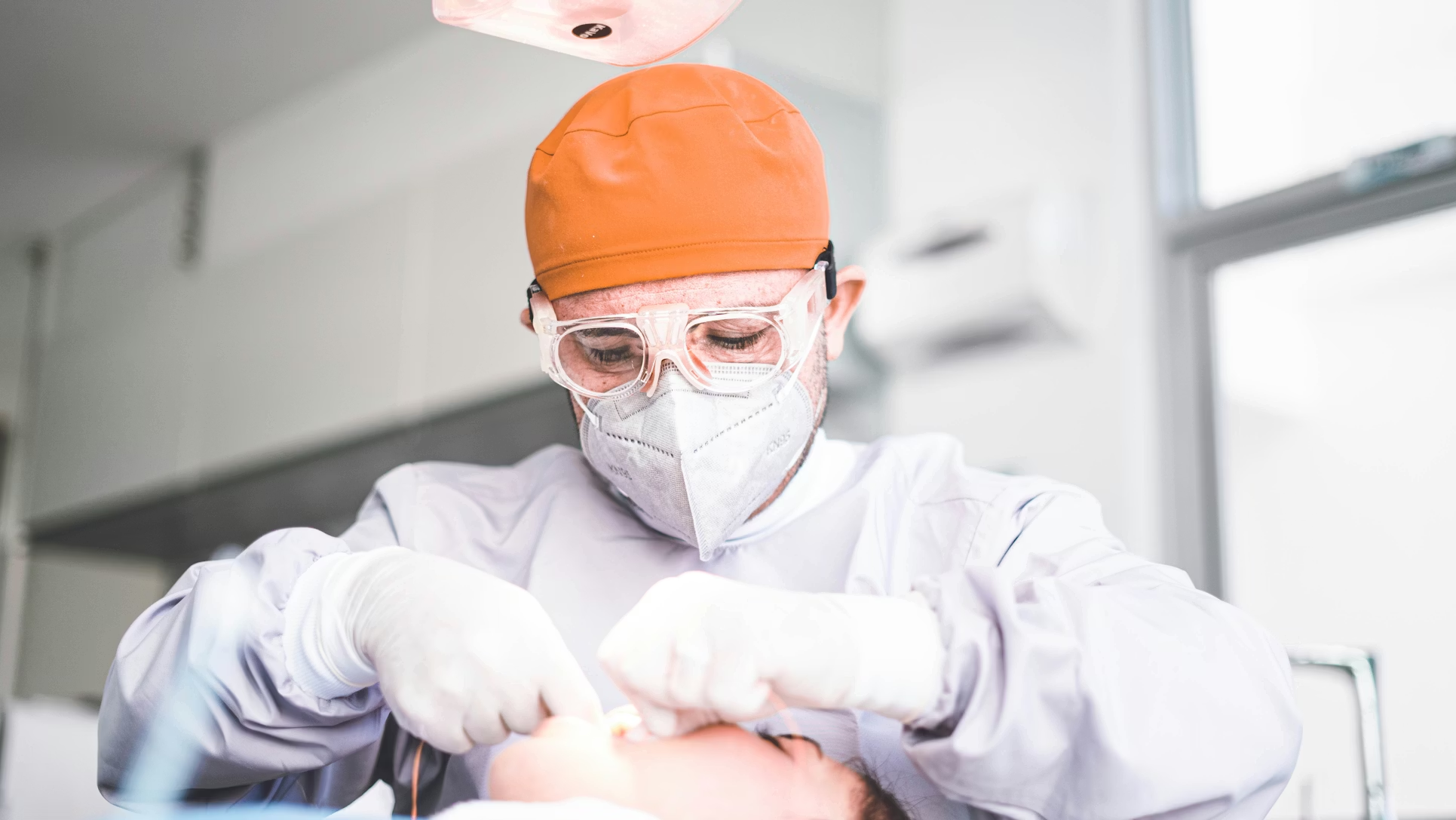
Dental emergency hotlines operated by local dental societies often provide after-hours referrals to practitioners who take emergency calls. Many dental practices rotate emergency coverage within their area, ensuring someone is always available for urgent situations.
Preparation steps can significantly improve your emergency experience. Have your insurance information readily available, including any pre-authorization requirements for emergency care. Maintain a list of current medications and known allergies, as emergency treatment often involves pain medications and antibiotics that could interact with existing prescriptions.
Financial preparation helps avoid delays in necessary care. Understand your insurance coverage for emergency procedures versus routine care — many plans have different deductibles or co-pays for emergency services. Some dental practices offer payment plans for emergency care, particularly for uninsured patients.
Documentation becomes crucial if the emergency results from trauma that might involve insurance claims or legal proceedings. Take photos of visible injuries when possible, keep receipts for all related expenses, and maintain records of any work or school time missed due to the emergency.
When calling for emergency care, be prepared to describe your symptoms specifically — the type and intensity of pain, visible damage, duration of symptoms, and any medications you’ve already taken. This information helps the practitioner assess urgency and provide appropriate initial guidance while you arrange to be seen.
The key to managing any dental emergency effectively lies in recognizing that your immediate response often matters more than the severity of the initial injury. A minor chip handled properly may require only simple bonding, while a significant trauma managed poorly can result in tooth loss despite the best subsequent professional care. Keep emergency contact information easily accessible, understand your options for after-hours care, and remember that most dental emergencies become more complex and expensive the longer they wait for professional attention.


