

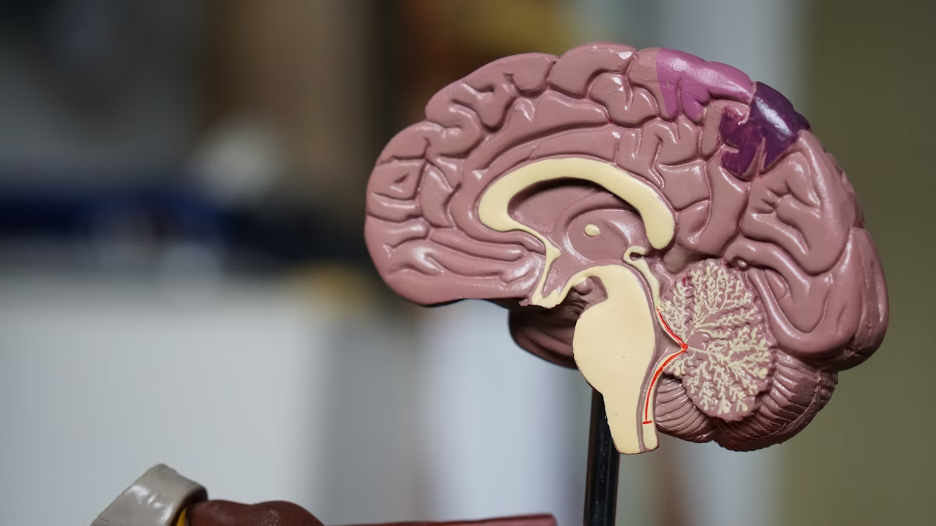
Traumatic brain injury, often referred to as TBI, remains one of the most complex conditions in modern medicine due to its wide range of symptoms and unpredictable recovery patterns. Patients and clinicians alike are increasingly exploring advanced therapies that can support healing, and searches such as hyberbaric chamber near me often reflect a desire to better understand how oxygen-based treatments like hyperbaric oxygen therapy may aid neurological recovery after injury. Oxygen plays a fundamental role in cellular repair, and its availability can significantly influence how the brain responds to trauma and begins the process of restoration.
Understanding Brain Injury and Oxygen Deprivation
Traumatic brain injury disrupts normal brain function by causing mechanical damage to neural tissue. This initial injury is often followed by secondary processes such as inflammation, swelling, and reduced blood flow, all of which limit oxygen delivery to affected areas. When brain cells are deprived of sufficient oxygen, their ability to produce energy declines rapidly.
This lack of oxygen, known as hypoxia, can worsen the extent of injury beyond the original trauma. Neurons rely heavily on oxygen to maintain cellular processes, and even brief interruptions can lead to long term dysfunction. Addressing oxygen deprivation early in the recovery process is therefore critical for preserving brain tissue and supporting healing.
The Role of Oxygen in Cellular Repair
Oxygen is essential for the production of adenosine triphosphate, or ATP, which fuels cellular activity. After a traumatic brain injury, damaged cells require increased energy to repair membranes, restore ion balance, and rebuild connections. Without adequate oxygen, these repair processes slow down or fail altogether.
In addition to energy production, oxygen contributes to the regulation of inflammation and immune responses in the brain. It supports the removal of waste products and helps maintain a balanced environment for recovery. By improving oxygen availability, clinicians can potentially enhance the brain’s natural ability to heal and adapt after injury.
Oxygen and Neuroplasticity
Neuroplasticity refers to the brain’s ability to reorganize itself by forming new neural connections. This process is especially important after a traumatic brain injury, as it allows undamaged areas of the brain to take over functions that were previously controlled by injured regions. Oxygen plays a key role in supporting this adaptive process.
Adequate oxygen levels promote the growth of new blood vessels, a process known as angiogenesis, which improves circulation in affected areas. It also supports synaptic activity, enabling neurons to communicate more effectively. Together, these effects contribute to a more favorable environment for recovery and functional improvement.
Clinical Applications of Oxygen-Based Therapies
In recent years, oxygen-based therapies have gained attention as potential adjunct treatments for traumatic brain injury. Hyperbaric oxygen therapy, for example, involves breathing pure oxygen in a pressurized environment, which increases the amount of oxygen dissolved in the bloodstream. This allows oxygen to reach areas of the brain that may be poorly supplied due to injury.
Clinical observations suggest that enhanced oxygen delivery can reduce inflammation, support tissue repair, and improve neurological outcomes in some patients. While research is ongoing, many healthcare providers are exploring how such therapies can be integrated into comprehensive rehabilitation plans. These approaches are often used alongside traditional treatments such as physical therapy and cognitive rehabilitation.
Challenges and Considerations in Oxygen Therapy
Despite its potential benefits, the use of oxygen-based therapies in traumatic brain injury requires careful consideration. Not all patients respond in the same way, and factors such as injury severity, timing of treatment, and overall health can influence outcomes. Clinicians must evaluate each case individually to determine the most appropriate course of action.
There are also ongoing discussions within the medical community regarding the optimal protocols for oxygen therapy. Questions remain about treatment duration, pressure levels, and patient selection criteria. Continued research and clinical trials are essential to establish clear guidelines and ensure safe and effective use of these therapies.
Supporting Recovery Through Integrated Care
The recovery process after traumatic brain injury is often long and multifaceted, requiring a combination of medical, rehabilitative, and supportive interventions. Oxygen plays a central role in many of these strategies by facilitating cellular repair and improving overall brain function. However, it is most effective when used as part of a broader, patient centered approach.
Integrating oxygen based therapies with other treatments can help address the diverse challenges associated with brain injury. This may include physical rehabilitation, cognitive therapy, nutritional support, and psychological care. By focusing on the whole patient, healthcare providers can create more comprehensive and effective recovery plans.
In conclusion, oxygen is a vital component in the complex process of brain repair following traumatic brain injury. From supporting cellular energy production to enhancing neuroplasticity, its role extends across multiple aspects of recovery. As research continues to evolve, oxygen based therapies may become an increasingly important part of clinical practice, offering new hope for patients seeking improved outcomes after brain injury.


