

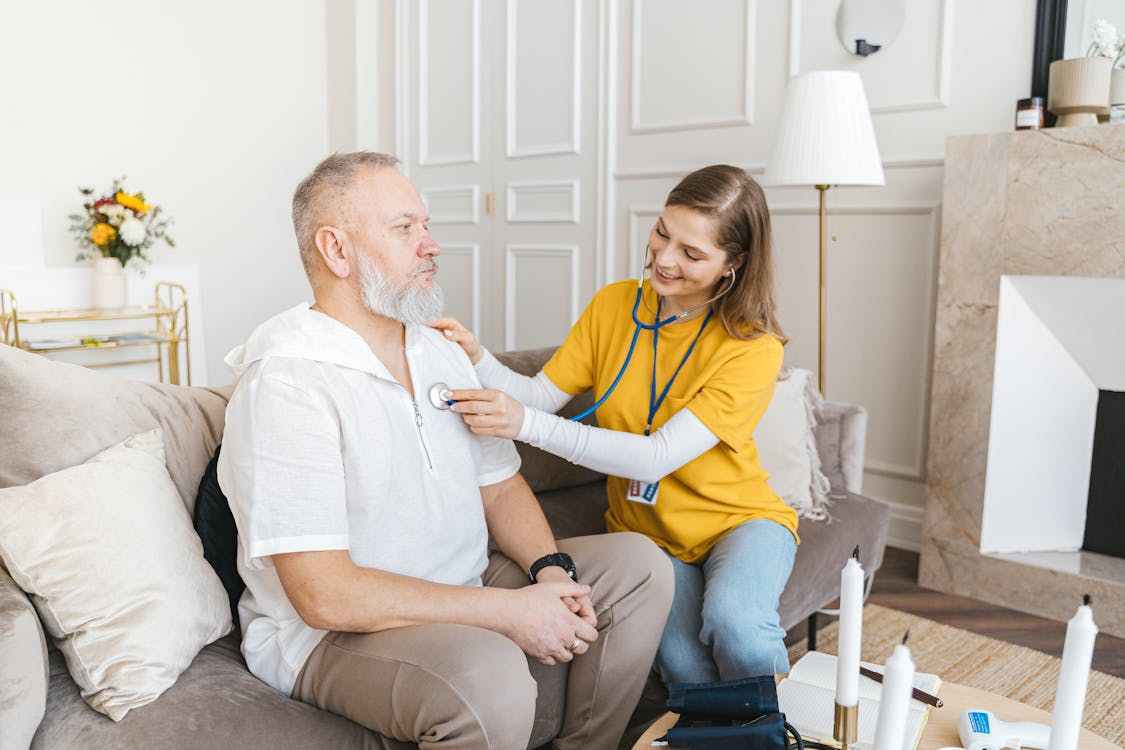
Looking after an ageing loved one is not always easy, but more families are choosing care that takes place right at home. Personalised senior care at home means providing support that is shaped around an individual’s unique needs rather than following a one-size-fits-all plan. It combines comfort, safety, and professional assistance, all delivered where seniors feel most at ease.
Remaining at home offers peace of mind, but health needs still require proper medical guidance. Clinical expertise ensures that seniors receive care that is not only compassionate but also safe and clinically sound. With trained professionals involved, families can feel more confident about the choices they make for their loved ones.
Support for Complex Medical Needs
Some health conditions require more than assistance with daily activities such as cooking or getting dressed. Seniors living with dementia, heart disease, diabetes, or recovering from surgery often need ongoing medical care, even at home. This is where clinical professionals play a vital role.
They are trained to manage wounds, provide injections, monitor blood sugar levels, and guide physical therapy after hospital discharge. Their expertise helps seniors remain stable and reduces the risk of complications. Families also gain peace of mind knowing that a qualified professional is available to manage more complex care requirements.
When families are changing home care providers, clinical oversight is essential for a smooth transition. The process of transferring care can be stressful, and important health details may be overlooked. Having nurses or other trained professionals involved ensures that care continues without interruption and that nothing important is missed during the handover.
Consistency is especially critical when a person’s condition is fragile. Proper clinical management helps avoid unnecessary hospital visits and keeps treatment plans on track, even when providers change.
Personalised Care Planning
Starting home care usually begins with a comprehensive health assessment. Clinical professionals take time to review the senior’s medical history, mobility, memory, and how they manage daily activities. This information helps them create a care plan that meets both current and future needs.
These care plans cover a wide range of details, from meal schedules to the level of assistance required with movement or medication. It is not just about having someone nearby but about ensuring the right plan is in place for ongoing safety and wellbeing. A clear plan also helps caregivers understand expectations and respond appropriately to different situations.
Care plans are often updated when health conditions change. Regular reviews by nurses or case managers ensure the plan remains relevant and effective. This process helps reduce confusion, particularly when several caregivers are involved in day-to-day support.
Health Monitoring and Early Detection
Not all health problems appear with obvious signs. Minor changes, such as a slight cough, confusion, or swelling, can indicate more serious issues. Trained health workers know how to recognise these early signs during daily or weekly visits.
With consistent monitoring, conditions such as infections, high blood pressure, or sudden weight changes can be detected early. Prompt attention allows treatment to begin sooner, often preventing hospitalisation. Missing these early indicators could result in emergency situations that might otherwise be avoided through early action.
Frequent health checks also bring comfort to families who live far away. They can be reassured that a trained professional is keeping an eye on their loved one’s condition and will report any concerns quickly.
Medication Management and Safety
Many older adults take several medications each day. Remembering the correct dosage and timing can be difficult, particularly for those with memory loss. Clinical professionals assist by setting clear routines and performing regular checks to ensure medications are taken safely.
They are also trained to detect side effects or interactions caused by mixed medications. Older adults are more vulnerable to these risks, and mistakes can lead to falls, confusion, or more serious complications. Nurses or qualified caregivers ensure that all prescribed treatments are followed accurately and that any adjustments made by doctors are properly recorded.
Sometimes medication needs change as health conditions evolve. Having someone with clinical training ensures that these changes are handled correctly and clearly explained to both the senior and their family.
Training and Guidance for Home Caregivers
Many seniors receive daily assistance from family members or paid aides, most of whom are not medically trained. While they are often caring and dedicated, they may not always know the safest ways to lift, bathe, or feed someone. This is why guidance from clinical professionals is so valuable.
A nurse can teach carers how to identify warning signs, maintain hygiene routines, or carry out simple therapies at home. These lessons can prevent small issues from becoming serious health problems. With professional support close by, caregivers feel more confident and less isolated.
Guidance is also an ongoing process rather than a one-off event. Regular check-ins give caregivers the opportunity to ask questions, clarify concerns, and adjust routines when necessary. This consistent professional input helps create a safer and more effective home care environment for everyone involved.
Final Words
Home is where many seniors feel most comfortable, and the right kind of care helps them remain there for as long as possible. Clinical expertise ensures that care is thoughtful, consistent, and medically sound.
It keeps families informed, prevents avoidable health issues, and provides peace of mind. Ultimately, expert-led care allows seniors to live well at home with greater safety, confidence, and dignity.


