

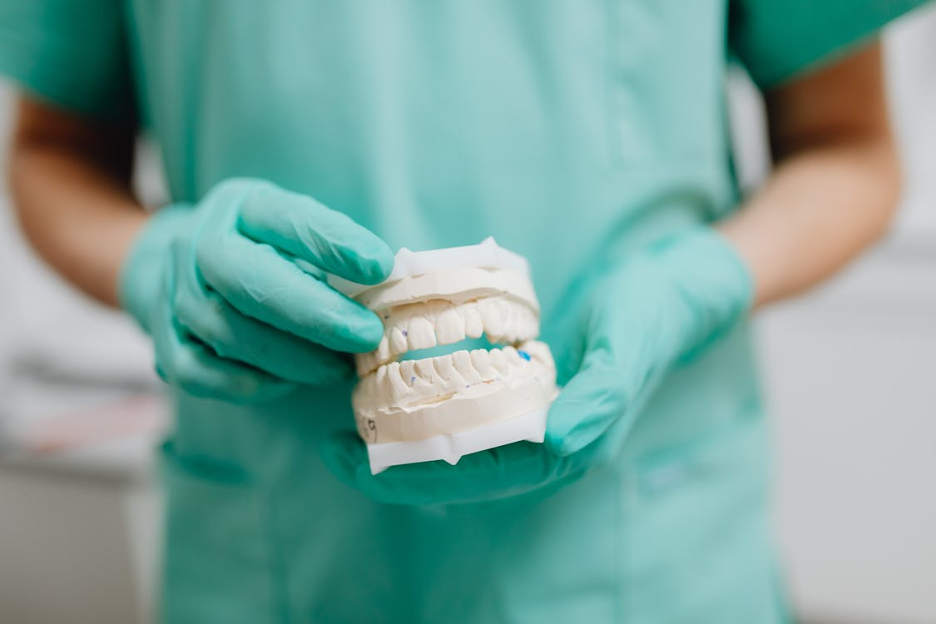
When people think about orthodontic care, the first thing that usually comes to mind is appearance. Straight teeth, a better smile, and more confidence that’s often the focus. But the truth is, orthodontics is about much more than how your smile looks.
In growing communities like Clayton, where families are focused on long-term health and well-being, more parents are starting to look at orthodontic care from a different perspective. Instead of waiting until the teenage years, they’re asking an important question earlier: is it better to address dental issues before they become bigger problems?
The answer, in many cases, is yes.
Early orthodontic care is not about rushing into braces or complicated treatments. It’s about understanding how your child’s teeth and jaw are developing and guiding that growth in the right direction. Small issues that seem minor at first, like slight crowding or bite misalignment, can become more difficult to treat later if they’re ignored.
That’s why early evaluation matters. It gives you a chance to catch problems early and make smarter decisions before they turn into something more serious.
Why Early Orthodontic Care Matters More Than You Think
When children are still growing, their teeth and jaw are more flexible. This makes it easier to guide their development instead of trying to fix problems later. Early orthodontic care focuses on identifying issues at the right time, not necessarily treating everything immediately.
Common concerns like crowding, spacing, overbites, or crossbites often start showing signs early. If these issues are noticed in time, orthodontists can take simple steps to guide proper alignment as the child grows.
This is where early consultations become valuable. For instance, if you live in North Carolina, a visit to an expert orthodontist in Clayton allows for a detailed evaluation of how the teeth and jaw are developing, helping families understand whether early treatment is needed or if it’s better to monitor the situation for now. This kind of guidance helps reduce the chances of more complex procedures later.
Early care is not always about immediate action. Sometimes, it’s about observation and planning. But having that professional insight early on gives you a clear direction.
And in many cases, it leads to simpler treatments, shorter timelines, and better long-term results.
Preventing More Serious Dental Problems Later
One of the main benefits of early orthodontic care is preventing problems before they start.
When teeth are not properly aligned, it becomes harder to keep them clean. Crowded or overlapping teeth can trap food and plaque, increasing the risk of cavities and gum issues. Over time, this can lead to more serious dental problems that require extensive treatment.
Misalignment can also cause uneven wear on teeth. Some teeth may handle more pressure than others, leading to damage or sensitivity over time.
By addressing these issues early, you reduce the risk of long-term complications. It’s much easier to guide teeth into better positions while the mouth is still developing than to fix fully established problems later.
Early care creates a healthier foundation that supports better oral health for years to come.
Improving Bite and Jaw Development
Your bite plays a major role in how your teeth function. If the upper and lower teeth don’t align properly, it can affect how you chew, speak, and even how your jaw feels.
Conditions like overbites, underbites, and crossbites are not just cosmetic concerns. They can lead to discomfort, jaw strain, and even headaches in some cases.
Early orthodontic care helps guide the growth of the jaw so that everything develops in better alignment. This can improve how the teeth fit together and reduce the risk of future complications.
Correcting bite issues early can also make eating more comfortable and speaking clearer. These may seem like small improvements, but they can make a big difference in everyday life.
Making Oral Hygiene Easier
Good oral hygiene becomes much easier when teeth are properly aligned.
When teeth are crowded or crooked, brushing and flossing can be challenging. There are more areas where plaque can build up, and it’s harder to clean those spaces effectively.
This increases the chances of cavities, gum disease, and other dental issues over time.
Early orthodontic care helps create better spacing and alignment, making it easier to maintain proper oral hygiene. When teeth are easier to clean, it reduces the risk of long-term problems and supports overall dental health.
It’s a simple benefit, but one that has a lasting impact.
Boosting Confidence at an Early Age
While health is the main focus, it’s hard to ignore the confidence that comes with a better smile.
Children and teens can be very aware of how their teeth look. Misalignment or visible dental issues can sometimes affect how they feel about themselves, especially in social situations.
Early orthodontic care can help improve the appearance of the smile during important developmental years. This can lead to greater confidence, better self-esteem, and more comfort in everyday interactions.
It’s not about perfection. It’s about helping children feel comfortable with their smile.
Reducing the Need for Complex Treatments Later
One of the most practical benefits of early orthodontic care is that it can simplify future treatment.
When issues are addressed early, there’s often less need for more invasive procedures later on. This can mean avoiding tooth extractions, reducing the chances of jaw surgery, and shortening the overall treatment time.
By guiding development early, orthodontists can work with the natural growth of the teeth and jaw instead of correcting fully developed problems.
This not only saves time but can also reduce the overall cost and complexity of treatment.
It’s a more efficient approach that focuses on prevention rather than correction.
When Should You Consider Early Orthodontic Care?
You might wonder when the right time is to start thinking about orthodontic care.
Many experts recommend an initial evaluation around the age of seven. At this point, children usually have a combination of baby and permanent teeth, making it easier to notice any early signs of problems.
There are also a few signs parents can watch for, such as difficulty chewing, mouth breathing, thumb sucking, or noticeable crowding of teeth.
Even if everything seems fine, an early checkup can provide reassurance and help you understand what to expect in the future.
It’s not about starting treatment right away. It’s about staying informed.
Early orthodontic care is about taking small steps that lead to better outcomes over time.
It’s not about rushing into treatment or making things complicated. It’s about understanding how the teeth and jaw are developing and making thoughtful decisions at the right time.
By addressing issues early, you can prevent bigger problems, improve oral health, and create a more comfortable experience in the long run.
And perhaps most importantly, it gives you peace of mind. You know that you’re not waiting for something to go wrong. You’re staying ahead of it.
Because in the end, a healthy smile isn’t just about how it looks. It’s about how well it works and how long it lasts.


