

Introduction: Advancing the Science of Liver Health
Nonalcoholic fatty liver disease (NAFLD) has emerged as a major global health challenge, closely tied to obesity, insulin resistance, and metabolic syndrome. Traditional treatment approaches—such as dietary modification and pharmacological interventions—often show limited success in reversing the disease’s root causes.
However, Tesamorelin treatment is gaining attention for its potential to address these underlying metabolic imbalances. Tesamorelin, a synthetic growth hormone-releasing hormone (GHRH) analog, offers a unique mechanism that enhances natural hormonal regulation and lipid metabolism.
This article explores how Tesamorelin may help in NAFLD management, the science behind its action, and why Peptide-based therapies represent the next frontier in liver and metabolic research.
Understanding Tesamorelin: A New Dimension in Metabolic Regulation
What Is Tesamorelin?
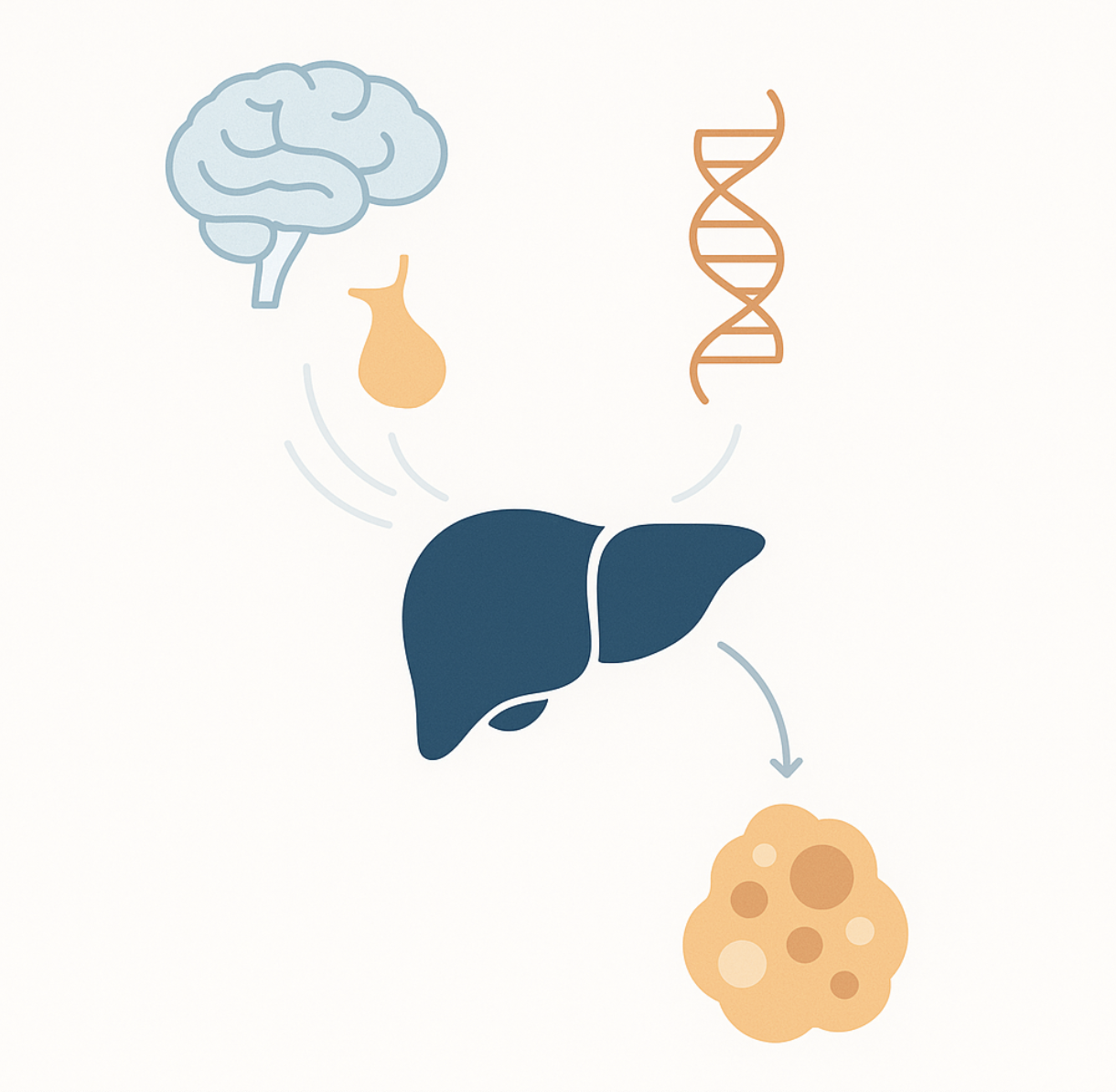
Tesamorelin is a synthetic peptide analog of human growth hormone-releasing hormone. It stimulates the pituitary gland to release growth hormone (GH), which subsequently increases insulin-like growth factor 1 (IGF-1) production. This hormonal response promotes the breakdown of stored fat, helping to reduce visceral adipose tissue (VAT)—a key contributor to metabolic inflammation and liver fat accumulation.
Why It Matters in NAFLD
NAFLD is strongly linked to visceral fat buildup and metabolic dysregulation. By targeting hormonal pathways, Tesamorelin offers a biologically adaptive method to address liver fat accumulation and inflammation. Unlike traditional drugs that act directly on liver enzymes, Tesamorelin works through natural hormonal modulation, reducing the risk of unwanted systemic effects.
Mechanism of Action: How Tesamorelin Treatment Benefits the Liver
1. Hormonal Activation and Lipolysis
Tesamorelin activates GHRH receptors in the pituitary gland, leading to increased GH and IGF-1 levels. These hormones stimulate lipolysis—the process of breaking down triglycerides into free fatty acids—which helps decrease visceral and hepatic fat stores.
This mechanism is particularly valuable in NAFLD, where excess liver fat contributes to inflammation, fibrosis, and reduced metabolic flexibility.
2. Improved Insulin Sensitivity
Tesamorelin treatment enhances insulin sensitivity by reducing intra-abdominal fat and improving glucose metabolism. Studies have shown improvements in fasting insulin levels and HOMA-IR scores, indicating better glycemic control.
This effect makes Tesamorelin especially promising for NAFLD patients who also have insulin resistance or prediabetes.
3. Anti-Inflammatory and Antifibrotic Effects
Tesamorelin influences hepatic inflammation by modulating cytokines such as TNF-α and IL-6. By reducing inflammatory signaling, it helps protect hepatocytes from injury and supports regeneration. Early data also suggest Tesamorelin may reduce fibrogenesis—the process that leads to liver scarring.
Clinical Research on Tesamorelin and NAFLD
Evidence from Recent Studies
Several recent clinical trials have demonstrated the benefits of Tesamorelin treatment for individuals with NAFLD, especially those with metabolic complications.
Key findings include:
- Reduced liver fat content: MRI-based studies show significant decreases in liver triglyceride levels.
- Enhanced insulin sensitivity: Participants experienced better glucose control and reduced fasting glucose.
- Lower inflammatory markers: Reductions in C-reactive protein and liver enzymes indicate improved hepatic function.
These outcomes confirm Tesamorelin’s ability to target both the symptoms and root causes of NAFLD.
Target Populations for Future Research
Current studies suggest that Tesamorelin may be especially effective for:
- Patients with high visceral adiposity
- Individuals with metabolic syndrome or insulin resistance
- People at early or moderate stages of NAFLD
Ongoing research aims to explore Tesamorelin’s potential in preventing the progression from NAFLD to nonalcoholic steatohepatitis (NASH).
Biological Insights: Tesamorelin’s Impact on Hepatic Function
Enhanced Mitochondrial Oxidation
Tesamorelin stimulates hepatic mitochondrial activity, increasing fatty acid oxidation. This helps clear stored triglycerides and prevents further lipid buildup in liver cells. Enhanced mitochondrial efficiency also reduces oxidative stress—a key contributor to liver cell injury.
Regulation of Hepatic Gene Expression
Emerging research indicates that Tesamorelin influences genes involved in lipid synthesis, transport, and oxidation. It downregulates lipogenic genes such as SREBP-1c while upregulating PPAR-α, promoting healthier lipid metabolism within hepatocytes.
Reduction of Pro-Inflammatory Pathways
By modulating cytokine activity, Tesamorelin suppresses the overproduction of TNF-α and IL-6. This results in decreased hepatic inflammation and improved tissue repair mechanisms, helping to halt disease progression.
Broader Role of Peptide Therapies in Liver Health
Understanding Peptide Hormones
Peptide hormones are short chains of amino acids that function as natural signaling molecules in the body. They bind to specific receptors and trigger biological processes with high precision.
Tesamorelin exemplifies this precision by mimicking GHRH and activating natural hormonal cascades that regulate lipid metabolism. This makes peptide-based therapies an attractive alternative to synthetic pharmaceuticals with broader, less targeted effects.
Applications Beyond Tesamorelin
Other peptide-based compounds—such as GLP-1 receptor agonists and hepatoprotective peptides—are under study for their potential to enhance liver function and metabolic balance. Collectively, these discoveries point toward a future where Peptide therapies redefine the treatment landscape for chronic liver and metabolic diseases.
Practical and Clinical Considerations
Optimizing Tesamorelin Treatment
Researchers recommend the following considerations for effective Tesamorelin therapy in clinical or investigational settings:
- Patient screening: Identify individuals with NAFLD and high visceral adiposity.
- Monitoring metabolic markers: Track insulin, liver enzymes, and IGF-1 during treatment.
- Lifestyle integration: Encourage balanced nutrition and physical activity to complement therapy.
- Periodic imaging: Use MRI or ultrasound to assess changes in hepatic fat content.
These actionable steps enhance treatment outcomes and ensure safety during long-term peptide-based interventions.
Potential Side Effects and Limitations
While generally well tolerated, Tesamorelin may cause mild side effects such as injection site reactions or transient muscle pain. Long-term data are still being collected to determine its effects in non-HIV populations and on advanced fibrosis stages.
Researchers continue to evaluate how Tesamorelin can be safely combined with other therapies like GLP-1 agonists for synergistic benefits.
Future Research and Clinical Implications
Expanding Therapeutic Horizons
Tesamorelin’s potential in NAFLD treatment opens doors to a broader understanding of hormonal modulation in metabolic diseases. Ongoing investigations are exploring:
- Long-term outcomes on fibrosis progression and liver regeneration.
- Cross-therapy potential with other metabolic peptides.
- Personalized dosing based on genetic and metabolic profiling.
As evidence grows, Tesamorelin may become a cornerstone in targeted metabolic therapy—offering a safer, more natural approach to restoring liver health.
Conclusion: Redefining Liver Health with Tesamorelin Treatment
The evolution of Tesamorelin treatment in NAFLD management represents a paradigm shift in metabolic medicine. By leveraging peptide-based signaling, Tesamorelin offers a holistic approach to reducing liver fat, improving insulin sensitivity, and modulating inflammation.
Its success exemplifies how Peptide hormones can bridge endocrinology and hepatology, delivering precision-targeted outcomes without compromising physiological balance.
As research advances, Tesamorelin is poised to become a pivotal therapeutic tool for NAFLD and related metabolic conditions. For professionals and researchers seeking detailed insights into emerging peptide innovations, visit Clinical Gate—a leading platform for medical research and clinical discoveries.


