

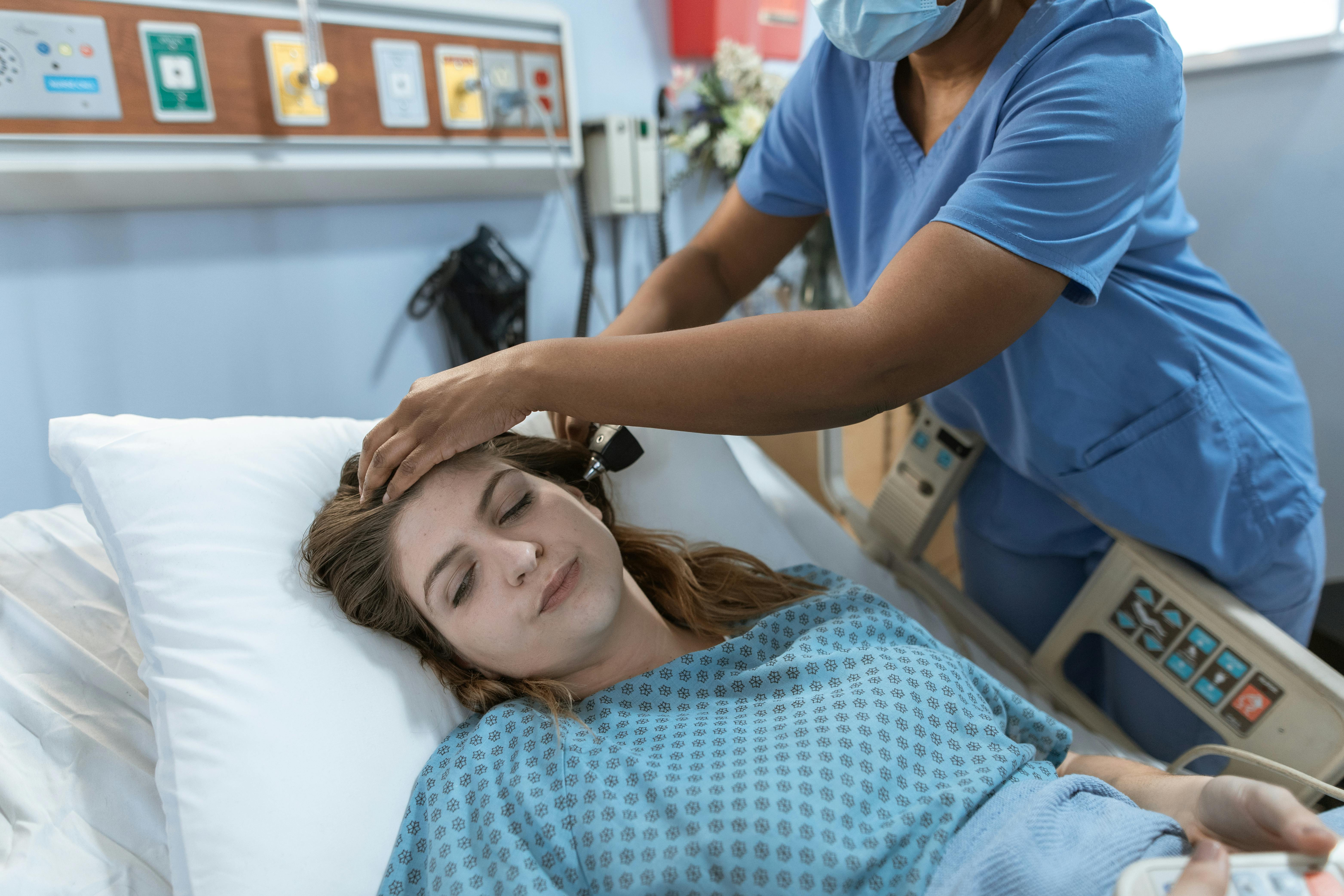
Securing high-quality clinical rotations takes more than filling out forms and hoping for the best. It requires proactive networking, careful documentation and a clear sense of direction. When you approach your clinical hours with intention and preparation, they become more than a requirement; they become the foundation of your future career.
Clinical placements are the most critical part of advanced practice nursing education. This is where theory turns into real conversations with patients, real diagnoses and real decision-making.
In a competitive primary care landscape, you need a strategic plan for communication, site selection and professional presentation. Here’s how to identify, secure and truly thrive in these essential learning environments.
Starting the Search Early
Your search for a clinical preceptor should begin months before your rotation starts. The earlier you begin, the more options you’ll have. Start by identifying local primary care clinics, private practices and community health centers that align with your semester’s population focus.
If you wait for your school to assign a site, you risk delays in graduation or landing in a placement that doesn’t support your learning goals. Take ownership of the process. Research patient demographics and look into potential preceptors’ specialties to ensure you’ll gain exposure to a wide range of clinical encounters.
Create a spreadsheet to track every provider you contact. Include communication dates and follow-up status so nothing slips through the cracks. Organization keeps you focused and professional. Remember, many providers manage heavy patient loads and receive multiple student requests. Be persistent, but always polite and respectful of their time.
Building a Professional Portfolio
When you reach out to a potential preceptor, your professional portfolio becomes your introduction. Think of it as your personal marketing package. It should clearly highlight your clinical experience, certifications and specific learning goals for the rotation.
Your portfolio should include:
- Updated Curriculum Vitae: Detail your nursing experience and any specialized skills.
- Clinical Objectives: Clearly outline what skills you intend to master during the rotation.
- School Affiliation Agreement: Provide the required legal documentation for the facility.
- Health Records: Include proof of immunizations and background checks to streamline onboarding.
A well-organized portfolio shows that you respect the provider’s time and take your education seriously. Whether you present it digitally or in a clean physical folder, presentation matters. You’re positioning yourself as a future colleague. The professionalism you demonstrate now sets the tone for the entire relationship.
The Online FNP
The flexibility of an online FNP program allows you to continue working while advancing your education in a digital learning environment. This format is designed for working nurses who need academic rigor without sacrificing their current professional responsibilities.
However, that flexibility comes with responsibility. Because students in an online FNP track often live in different regions, the task of securing local clinical sites typically falls on you. That autonomy pushes you to build strong connections within your local healthcare community.
Success in this format requires self-motivation and discipline. You must bridge the gap between virtual coursework and in-person patient care. The classroom may be online, but your clinical growth happens face-to-face.
Taking initiative in finding and securing placements strengthens not only your resume but also your confidence as a developing advanced practice provider.
Mastering the Preceptor Interview
When you meet a potential preceptor, treat the conversation like a formal job interview. First impressions matter. Be clear about your schedule and confirm that the preceptor can supervise the required number of hours.
Ask about the clinic’s typical daily patient volume so you understand the pace of the environment. Inquire about the electronic health record system and any unique practice protocols. These details help you prepare and show genuine interest.
Make sure the preceptor meets your university’s credentialing requirements. This protects both of you from administrative complications later. Just as importantly, assess whether the clinic fits your learning style. Do you feel welcomed? Does the preceptor seem invested in teaching? Building rapport early lays the groundwork for a productive mentorship.
Engaging with the Clinical Team
Once your rotation begins, your level of engagement makes all the difference. Show up early. Offer to stay a few minutes late if appropriate. Demonstrate that you value the opportunity.
Seek out hands-on experiences under supervision, whether that means suturing, performing joint injections or leading patient education discussions. Participate in colleague-to-colleague conversations about differential diagnoses. These discussions sharpen your critical thinking and clinical reasoning.
Request weekly feedback sessions. Constructive input allows you to adjust techniques, refine documentation and improve patient interactions in real time. The more initiative you show, the more responsibility the team will entrust to you. Clinical growth happens fastest when you lean in and stay curious.
Upholding Standards and Documentation
Accurate logging of patient encounters is both a legal and academic requirement. Every entry in your tracking system must reflect the complexity of the visit while protecting patient confidentiality.
Strict adherence to the Health Insurance Portability and Accountability Act (HIPAA) is non-negotiable. Document pharmacological decisions, diagnostic reasoning and patient outcomes thoroughly. These records demonstrate your development and support your preceptor in verifying both hours and performance.
Treat every chart entry as a reflection of your professional integrity. Consistent and honest documentation builds habits that will serve you well during board certification and throughout your licensed practice.
Long-Term Professional Networking
A clinical site is more than just a temporary work assignment. It is a potential doorway to future employment opportunities. Every interaction with office staff, medical assistants and other health care providers is an opportunity to build a meaningful professional relationship. The impressions you make during a busy day in a clinic have a long way to travel.
Meaningful relationships can lead to future job opportunities or a powerful letter of recommendation upon graduation. At the end of a rotation, you should express heartfelt gratitude.
A simple handwritten note goes a long way in making a lasting impression. Periodic follow-ups with updates about your career progress can keep a relationship active and working for you.
By seeing a series of clinical placements as a starting point in a long career in primary care medicine instead of a requirement for a degree, you will approach each rotation differently. Your attitude will change and you will position yourself for future success in primary care.


