

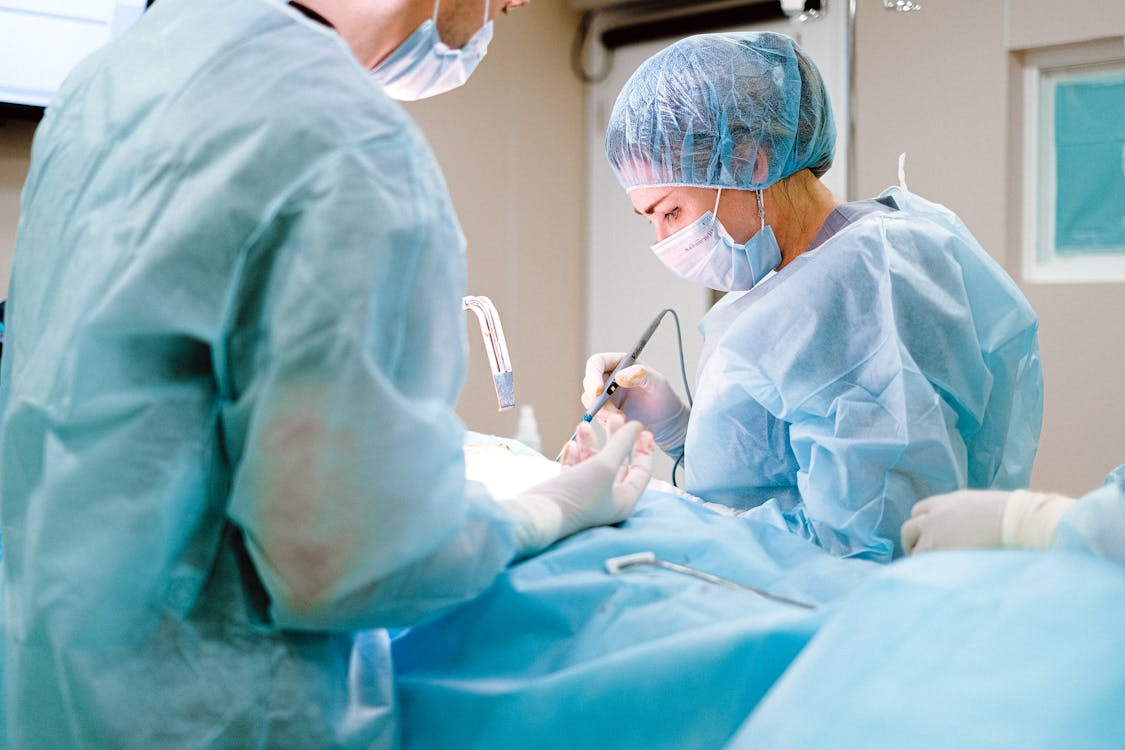
Step into any operating room and you will quickly see how coordinated and precise the environment must be. Every member of the surgical team has a defined role, and the surgical technologist plays a central part in keeping procedures organized, sterile, and efficient. From preparing instruments to assisting during surgery, this professional helps create the conditions that allow surgeons to focus fully on the patient. It is a role built on responsibility, attention to detail, and clinical discipline.
Because surgery involves complex procedures and strict safety standards, no one walks into this career unprepared. Future technologists typically complete structured training programs that combine classroom instruction with hands-on lab practice and supervised clinical experience. These programs teach anatomy, microbiology, pharmacology, and the flow of surgical procedures so students understand not just what to do, but why they are doing it. That level of preparation is essential before stepping into a real operating room.
Rigorous Preparation: Building a Strong Educational Foundation
Success in surgical technology begins long before the first day in the operating room. The role demands accuracy, technical knowledge, and a strong understanding of patient safety standards. Because there is little room for error during surgery, students must first develop their skills in a structured, supervised setting. For this reason, many aspiring professionals begin their journey by enrolling in accredited surgical technicians schools, where they receive focused instruction in sterile technique, surgical instrumentation, patient positioning, and essential safety protocols.
Clinical rotations reinforce these lessons in real healthcare environments. Under supervision, students observe surgical flow, learn team dynamics, and apply infection control standards in active settings. Structured preparation reduces uncertainty and increases confidence. When graduates enter the workforce, they are not guessing their way through procedures. They rely on a framework of education and hands-on experience to support safe, consistent performance.
Anticipatory Thinking: Staying One Step Ahead of the Surgeon
In the operating room, timing matters. A skilled surgical technologist learns to anticipate the surgeon’s next need rather than waiting for instructions. This requires a deep understanding of each procedure’s sequence. When you know the stages of an operation, you can prepare instruments, sutures, and supplies before they are requested. That foresight keeps the procedure moving smoothly.
Anticipatory thinking develops through repetition and careful observation. Over time, technologists recognize subtle cues such as changes in hand position or shifts in focus. They respond quickly and accurately without disrupting the room’s concentration. By staying mentally engaged and organized, they help reduce delays and support efficient surgical care, which ultimately benefits both the team and the patient.
The Sterile Conscience: Mastery of Aseptic Technique and Infection Control
Every surgical technologist must develop what professionals often call a sterile conscience. This means staying constantly alert to anything that could compromise the sterile field. You monitor hand placement, instrument positioning, and environmental movement without being prompted. Small lapses can have serious consequences, so consistency matters every minute of a procedure.
You also take responsibility for proper instrument sterilization, correct gowning and gloving, and adherence to infection control protocols. When contamination occurs, you address it immediately and follow established corrective steps. This vigilance protects patients from surgical site infections and supports compliance with clinical standards. A strong, sterile conscience reflects both technical training and personal accountability.
Manual Dexterity: Precision Handling of Instruments and Equipment
Surgical technology demands excellent fine motor skills. You must pass instruments firmly and accurately, often within seconds of a request. Surgeons rely on smooth exchanges to maintain focus. Any hesitation or awkward movement can disrupt workflow, so controlled, deliberate hand movements are essential.
Beyond passing tools, you handle delicate instruments, load sutures, and manage specialized equipment. Many procedures last for hours, which requires steady hands and physical stamina. Repetition during training strengthens coordination and speed. Over time, precise movements become second nature, allowing you to support complex procedures without unnecessary motion or distraction.
Stress Management: Maintaining Composure in High-Pressure Environments
The operating room can shift quickly from routine to urgent. Unexpected bleeding, equipment concerns, or patient instability demand immediate attention. In those moments, you must stay calm and focused. Clear thinking allows you to follow protocol and support the team without adding tension to an already serious situation.
Managing stress also involves preparation and mental discipline. When you understand procedures thoroughly, you feel more confident responding to complications. Controlled breathing, organized work habits, and strong situational awareness all help maintain composure. A steady presence reassures the surgical team and contributes to safer patient care during challenging cases.
Effective Communication: Clear, Concise, and Professional Interaction
Strong communication keeps the operating room functioning efficiently. Surgeons often give brief, direct instructions, so you must listen carefully and respond clearly. Confirming requests and maintaining eye contact reduces misunderstandings. Even small verbal exchanges can influence the pace and safety of a procedure.
Communication extends beyond the sterile field. You coordinate with circulating nurses, anesthesia professionals, and sterile processing staff. Accurate documentation and professional dialogue ensure that equipment, supplies, and patient information move seamlessly between departments. When everyone understands their role and communicates effectively, the surgical environment becomes more organized and reliable.
Commitment to Continuous Learning: Adapting to Evolving Medical Technology
Healthcare technology evolves rapidly. Minimally invasive techniques, robotic systems, and advanced imaging tools continue to change how surgeries are performed. Surgical technologists must stay informed about new instruments and updated procedural standards. Ongoing education strengthens competence and keeps skills aligned with current practice.
Certification maintenance and professional development courses support this growth. Many technologists attend workshops or pursue advanced credentials to expand their expertise. Staying curious and adaptable ensures long-term career stability. More importantly, it allows you to provide the highest level of support in an operating room that never stands still.
Conclusion: Building Competence That Impacts Patient Care
Surgical technology demands more than technical knowledge. It requires disciplined preparation, sharp anticipation, strict infection control, precise motor skills, emotional steadiness, and clear communication. These competencies work together in every procedure. When developed fully, they enhance efficiency, strengthen teamwork, and protect patient safety.
For those willing to commit to rigorous training and continuous growth, the rewards extend beyond job stability. You become a trusted member of a surgical team that directly influences outcomes. That responsibility carries weight, but it also brings deep professional satisfaction.


