

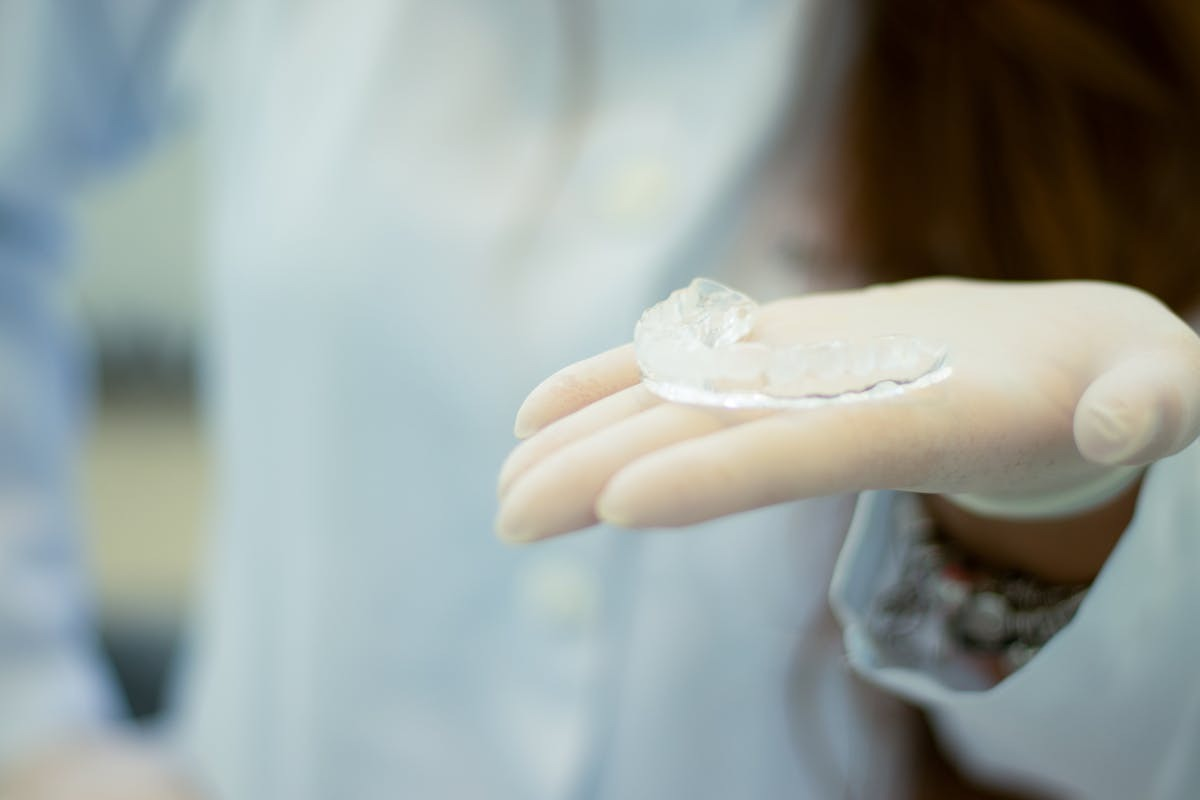
The American Dental Association reports that clear aligner therapy has grown by over 900% in the past decade, transforming orthodontic treatment from a predominantly adolescent experience to one embraced by professionals, parents, and retirees alike. What started as an alternative to metal braces has evolved into a sophisticated treatment modality that can address everything from minor crowding to complex bite corrections. Yet this popularity surge has created an unexpected challenge: with options ranging from comprehensive doctor-supervised programs to direct-to-consumer kits delivered by mail, patients often lack the framework to evaluate what they’re actually getting.
The stakes of this decision extend far beyond aesthetics. Improperly supervised aligner treatment can lead to root damage, bite problems, and tooth loss — complications that may not surface until months or years later. For anyone considering clear aligners in 2024, asking the right questions upfront isn’t just about getting better results; it’s about protecting your long-term oral health while navigating an increasingly complex marketplace.
What Should I Know About the Clear Aligner Treatment Process and Timeline?
Understanding the mechanics of aligner therapy helps separate realistic expectations from marketing promises. Clear aligners work through controlled force application — each set moves teeth approximately 0.25 millimeters over a two-week period. Your first aligner might feel snug but manageable, while the final sets in a series often require more effort to seat properly as teeth reach their target positions.
The treatment timeline depends heavily on your starting point and goals. Minor crowding or spacing issues typically resolve in 6-12 months, while more complex cases involving bite correction can extend 18-24 months. Here’s what catches many patients off guard: the process isn’t linear. You might see dramatic changes in the first few months, followed by periods where progress seems minimal as aligners work on root positioning and fine adjustments invisible to the naked eye.
Most treatment plans involve 15-40 aligner sets, with office visits every 6-8 weeks for progress monitoring and new aligner delivery. Your orthodontist will track movement using digital scans or impressions, making mid-treatment adjustments when teeth don’t respond as predicted. This adaptability distinguishes professional treatment from fixed mail-order sequences that can’t account for individual biological variation.
The final phase often surprises patients who assume treatment ends when their last aligner fits perfectly. Retention typically requires wearing clear retainers nightly for years, since teeth naturally want to drift back toward their original positions. Skipping this phase can undo months of progress within weeks.
Why Is Doctor-Led Care Essential in Clear Aligner Treatment?
Professional supervision transforms aligner therapy from a cosmetic product into genuine orthodontic treatment. During your initial consultation, an orthodontist or qualified dentist evaluates not just tooth position, but jaw alignment, bite function, and underlying oral health issues that could complicate movement. They’re looking for red flags like severe crowding that requires tooth extraction, bite problems that need specialized mechanics, or gum disease that must be addressed before any movement begins.
This comprehensive assessment leads to treatment planning that considers your entire oral ecosystem. Where direct-to-consumer companies work from photos and impressions alone, doctor-led care incorporates clinical examination, X-rays when indicated, and ongoing monitoring that catches problems before they become serious.
How Does Professional Supervision Affect Treatment Quality?
Professional oversight shows its value through mid-treatment adjustments that keep progress on track. When your third aligner doesn’t fit properly — a common occurrence as individual teeth respond differently than computer models predict — your orthodontist can modify the sequence, add attachments for better grip, or incorporate auxiliary appliances like elastics for bite correction.
The monitoring process involves more than visual inspection. Practitioners check for signs of root resorption, evaluate gum health around moving teeth, and assess whether your bite is improving or developing new problems. They can spot early indicators of complications that patients typically miss, like teeth tilting incorrectly or excessive pressure on certain roots.
Quality control extends to the aligners themselves. Professional practices work with laboratories that meet strict manufacturing standards and can remake sets that don’t fit properly. This relationship enables real-time problem-solving that keeps treatment progressing safely.
What Risks Are Associated With Unsanctioned At-Home Clear Aligner Use?
Unsupervised aligner treatment carries documented risks that extend beyond poor results to actual harm. The most serious concern involves root damage from excessive force or movement in the wrong direction. Unlike traditional braces, which allow immediate adjustments when problems arise, mail-order aligners lock patients into predetermined sequences that can’t adapt to complications.
Missing oral health problems represents another significant risk. Attempting to move teeth affected by gum disease, undiagnosed cavities, or bite disorders can accelerate damage and create lasting complications. Direct-to-consumer companies typically rely on patient self-reporting for health history, missing conditions that require professional diagnosis.
The absence of progress monitoring means problems often go undetected until permanent damage occurs. By the time patients notice pain, loose teeth, or bite problems, the underlying issues may require extensive treatment to resolve. Professional practices catch these warning signs early through regular examinations and adjustment protocols.
What Are the Common Risks and Side Effects, and How Can Discomfort Be Managed?
Nearly all aligner patients experience some discomfort, particularly during the first week of treatment and when switching to new aligners. This pressure sensation signals that teeth are responding to applied forces, but distinguishing normal discomfort from concerning pain requires understanding what to expect.
Typical side effects include tooth sensitivity, especially to cold temperatures, and temporary changes in speech patterns as your tongue adapts to the aligner material. Some patients develop minor irritation where aligners contact gums or cheeks. These issues generally resolve within days as oral tissues adapt, but persistent problems warrant professional evaluation.
More serious complications, while rare in supervised treatment, can include root resorption where tooth roots actually shorten under excessive pressure, and temporomandibular joint problems if bite changes aren’t properly managed. The key distinction lies in severity and duration — mild pressure that peaks within 48 hours of a new aligner usually indicates normal progress, while sharp pain or discomfort lasting more than a week suggests the need for adjustment.
Pain management works best through a layered approach. Over-the-counter pain relievers taken 30 minutes before inserting new aligners can prevent peak discomfort. Cold therapy helps with inflammation, while switching aligners before bedtime allows you to sleep through the initial adjustment period. Some patients find that chewing on aligner chewies — small cylindrical tools designed for this purpose — helps seat aligners properly while reducing pressure points.
When discomfort crosses into genuine pain territory, don’t push through it. Contact your orthodontist to rule out fit problems, excessive movement speed, or other issues requiring professional attention.
What Should I Know About Daily Wear, Maintenance, and Lifestyle Changes?
Success with invisalign clear aligners hinges on consistent wear and proper maintenance, areas where many patients underestimate the commitment required. The lifestyle adjustments affect everything from eating habits to social interactions, making preparation essential for long-term compliance.
How Do Wearing Schedules Affect Treatment Success?
The standard recommendation of 22 hours daily wear leaves just two hours for meals and oral hygiene — a constraint that reshapes daily routines more than most patients anticipate. Research consistently shows that patients wearing aligners less than 20 hours daily experience delayed progress and compromised results, while those maintaining 22+ hours stay on schedule.
This schedule eliminates casual snacking and requires planning around social eating. Many patients adopt a pattern of removing aligners for breakfast, lunch, and dinner with immediate brushing and reinsertion afterward. The key lies in developing systems that make compliance automatic rather than requiring constant decision-making.
Tracking wear time helps identify patterns that undermine progress. Some patients do well during weekdays but struggle on weekends with irregular schedules. Others find business travel or social events challenging. Recognizing your personal risk factors allows you to develop strategies that maintain consistency even during disrupted routines.
The consequences of poor compliance extend beyond delayed results. Intermittent wear can actually cause more discomfort as teeth partially move and then resist being guided back into the aligner. Consistent wear maintains momentum and reduces the pressure needed for continued movement.
What Are the Best Practices for Cleaning and Maintaining Clear Aligners?
Aligner maintenance directly affects both oral health and treatment effectiveness. Poor cleaning leads to bacterial buildup that can cause tooth decay, gum irritation, and persistent bad breath. Additionally, stained or damaged aligners become visible during wear, defeating the aesthetic purpose that draws many patients to clear aligner therapy.
The cleaning routine should happen every time you remove aligners. Rinse with lukewarm water immediately to prevent saliva from drying and bacteria from establishing colonies. Use a soft toothbrush with antibacterial soap — avoid toothpaste, which can scratch the plastic surface and create areas where bacteria accumulate.
Soaking aligners in denture cleaner or specialized aligner cleaning solutions helps eliminate bacteria and prevents odor development. However, avoid hot water, which can warp the plastic and affect fit. Many patients develop a routine of soaking aligners while eating, ensuring they’re fresh when reinserted.
Handle aligners carefully during cleaning and storage. The thin plastic can crack under pressure or develop stress fractures that compromise fit. Always store removed aligners in their case rather than wrapping in napkins or placing in pockets, where they’re easily damaged or lost. Replacement aligners typically cost $100-300 and cause treatment delays while new ones are manufactured.
What Are Realistic Treatment Outcomes and How Does Retention Support Long-Term Results?
Clear aligner therapy can achieve remarkable results, but understanding realistic expectations prevents disappointment and helps evaluate whether the investment aligns with your goals. The technology excels at correcting crowding, spacing, and minor bite irregularities, with success rates comparable to traditional braces for appropriate cases.
Complex bite problems, severe rotations, and cases requiring significant root movement present greater challenges. While possible with professional supervision and auxiliary appliances, these situations often require longer treatment times and more complex mechanics than patients initially anticipate. Honest evaluation during consultation prevents unrealistic expectations and ensures you’re choosing the right approach.
Treatment success depends heavily on biological factors beyond anyone’s control. Age affects movement speed, with adult teeth typically responding more slowly than adolescent ones. Individual bone density, root length, and tissue health all influence how predictably teeth move. Even with perfect compliance and expert supervision, some cases require mid-treatment modifications or extended timelines.
The retention phase proves as critical as active treatment for long-term success. Without retainers, teeth begin drifting back toward their original positions within days of completing aligner therapy. The ligaments and tissues supporting teeth need months or years to stabilize in new positions, making retention a permanent lifestyle consideration rather than a short-term obligation.
Most orthodontists recommend full-time retainer wear for the first 6-12 months post-treatment, followed by nighttime wear indefinitely. This might seem excessive after months of active treatment, but the alternative — watching your investment slowly unravel — makes retention protocols seem reasonable. Many practices now offer clear retainers similar to aligners, making long-term wear more acceptable for patients concerned about aesthetics.
The key insight here extends beyond technical considerations: successful aligner treatment represents a long-term commitment to oral health rather than a quick cosmetic fix. Patients who view it as an investment in their overall well-being tend to maintain better compliance, achieve superior results, and preserve their outcomes through consistent retention habits that become as routine as daily brushing.


