

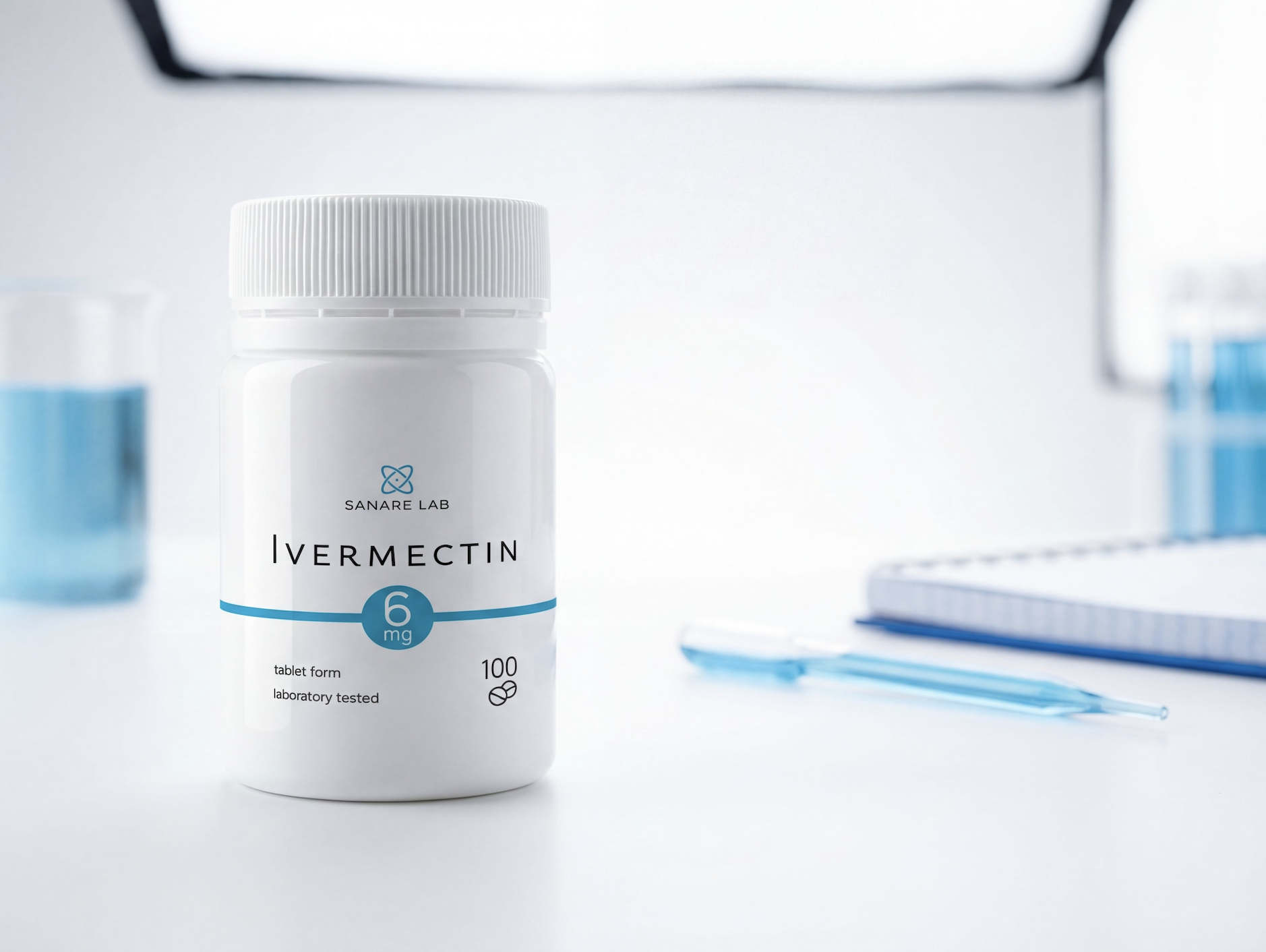
Ivermectin, a Nobel Prize-winning antiparasitic agent, has attracted growing interest in oncology research over the past decade. Originally developed for river blindness and other parasitic infections, laboratory studies have revealed that ivermectin may influence several cellular pathways relevant to tumor biology, including apoptosis, autophagy, and angiogenesis inhibition.
Preclinical Findings and Mechanistic Insights
In vitro studies have demonstrated that ivermectin can suppress proliferation in various cancer cell lines at concentrations achievable through oral dosing. Research published in pharmacology journals suggests the compound interacts with multiple molecular targets, including PAK1 kinase, Wnt/beta-catenin signaling, and mitochondrial dysfunction pathways. These pleiotropic effects make it a candidate for further clinical investigation.
Dosage Protocols Under Investigation
Clinical protocols vary significantly across ongoing trials and compassionate-use programs. A comprehensive overview of ivermectin dosage protocols for cancer and safety considerations highlights the range of approaches being studied, from low-dose daily regimens to higher intermittent dosing schedules. Researchers emphasize that dosing must account for hepatic metabolism, drug interactions, and individual patient factors.
Safety Profile and Tolerability
Ivermectin has an established safety record spanning over three decades of global use in parasitology. Common side effects at standard antiparasitic doses include dizziness, nausea, and mild gastrointestinal disturbance. However, the higher doses explored in oncology contexts require careful monitoring, particularly for neurotoxicity in patients with compromised blood-brain barrier function.
Current Limitations and Future Directions
Despite encouraging preclinical data, large-scale randomized controlled trials remain limited. The oncology community stresses the need for phase II and III clinical trials to establish efficacy endpoints, optimal dosing windows, and combination strategies with conventional therapies. Regulatory bodies continue to evaluate the evidence base as new data emerge from international research centers.
This article is intended for educational purposes and does not constitute medical advice. Patients should consult qualified healthcare professionals before considering any off-label treatments.


