

The American Dental Association’s 2023 consumer survey found that over 37 million Americans used some form of teeth whitening product in the past year — yet satisfaction rates vary dramatically based on the method chosen. As social media continues to amplify aesthetic pressures and new whitening technologies flood the market, the gap between effective treatments and marketing hype has never been wider.
For individuals considering whitening options, the stakes extend beyond appearance. The wrong choice can lead to permanent enamel damage, severe sensitivity, or thousands of dollars spent on ineffective treatments. Meanwhile, the right approach can deliver lasting results with minimal risk. Exploring professional cosmetic dental care in Wicker Park can help ensure treatments are both safe and effective, making it easier to achieve the desired results without unnecessary complications.
This analysis cuts through the marketing claims to examine what clinical research reveals about professional versus at-home whitening, how the science actually works, and when the higher cost of professional treatment pays off in both safety and results.
How Do Professional and At-Home Teeth Whitening Differ?
The fundamental difference lies not just in location, but in chemical concentration and clinical oversight. Professional treatments typically use hydrogen peroxide concentrations between 15-43%, while over-the-counter products max out around 10% due to FDA regulations for unsupervised use.
Consider someone with moderate coffee staining who tries whitening strips for six months with minimal results, then achieves dramatic improvement in a single professional session. This isn’t just marketing — it’s chemistry. Higher concentrations require professional monitoring because they can cause severe sensitivity or chemical burns if misapplied, but they also penetrate deeper stains that lower concentrations simply can’t reach.
Professional treatments also allow for customization based on your specific stain type and tooth condition. A dentist can identify whether your discoloration is extrinsic (surface-level from coffee, wine, or smoking) or intrinsic (deeper staining from medications, genetics, or trauma). Surface stains respond well to most whitening methods, but intrinsic stains often require the higher concentrations only available professionally.
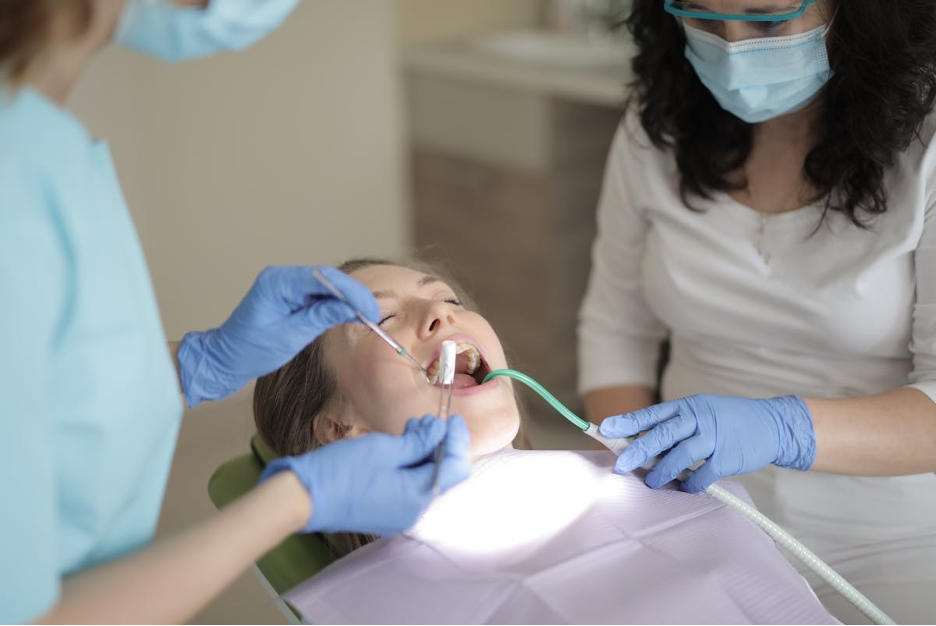
The supervised environment also enables protective measures impossible at home. Professional treatments typically include gum barriers, desensitizing agents, and real-time monitoring for adverse reactions. When complications arise — like severe sensitivity or uneven whitening — immediate adjustments can prevent permanent damage.
However, professional treatment isn’t automatically superior for everyone. Those with mild surface staining, healthy enamel, and realistic expectations often achieve satisfactory results with quality at-home systems. The key lies in understanding which category you fall into before investing in either approach.
How Does Teeth Whitening Work Scientifically?
Teeth whitening relies on oxidation reactions that break down chromophore molecules — the compounds responsible for tooth discoloration. When hydrogen peroxide or carbamide peroxide contacts your tooth enamel, it releases oxygen molecules that penetrate the tooth structure and fragment these color-causing compounds into smaller, colorless pieces.
The process occurs in two distinct layers. Surface-level oxidation happens quickly, often producing noticeable results within the first application. This affects extrinsic stains from coffee, tea, red wine, and tobacco that accumulate on the enamel surface. Deeper whitening requires the oxidizing agents to penetrate through the enamel into the underlying dentin, where intrinsic stains reside.
Your tooth’s porosity determines how effectively whitening agents penetrate. Younger teeth tend to be more porous and whiten more easily, while older teeth with denser enamel require longer exposure times or higher concentrations. This explains why identical treatments produce dramatically different results across age groups.
Carbamide peroxide, common in at-home systems, breaks down into hydrogen peroxide and urea when it contacts saliva. This creates a slower, sustained release that’s gentler but requires longer treatment times. Pure hydrogen peroxide, used in most professional treatments, works immediately but requires careful application to prevent tissue damage.
The whitening process also explains why certain stains resist treatment. Gray discoloration from tetracycline antibiotics embeds deeply in the dentin during tooth formation, requiring months of professional-grade treatment. Yellow stains from coffee or aging typically respond well to any whitening method. Brown stains from fluorosis may require specialized approaches that combine whitening with micro-abrasion techniques.
Understanding this science helps explain why some people see dramatic results while others experience disappointment — it’s not just about the product, but how your specific tooth structure and stain type interact with the whitening chemistry.
What Are the Risks and Safety Considerations?
Teeth sensitivity represents the most common side effect, affecting up to 78% of whitening users according to clinical studies published in the Journal of Conservative Dentistry. This occurs because whitening agents temporarily open the enamel pores, exposing dentin tubules that connect to the tooth’s nerve center. Professional treatments can mitigate this through desensitizing agents applied before and after whitening, while at-home users often experience sensitivity with little recourse.
Enamel erosion poses a more serious long-term risk, particularly with overuse of whitening products. Research from the University of Minnesota found that excessive whitening can reduce enamel hardness by up to 25%, creating permanent damage that increases cavity risk. Professional supervision helps prevent this by monitoring treatment duration and frequency, while unsupervised use often leads to the “more is better” mentality that causes problems.
Chemical burns represent the most severe immediate risk, typically resulting from improper application of high-concentration gels. Professional settings use protective barriers and immediate neutralization protocols, while at-home mishaps — like falling asleep with whitening trays or using damaged strips — can cause permanent gum recession and tissue damage.
Certain individuals face elevated risks regardless of the method chosen. People with existing dental work may experience uneven whitening, as crowns, veneers, and fillings don’t respond to whitening agents. Those with exposed roots, worn enamel, or active decay should avoid whitening entirely until underlying issues are addressed. Pregnant and nursing women typically receive recommendations to postpone whitening due to limited safety data.
The timing of treatment also affects safety outcomes. When seeking cosmetic dental care in Wicker Park, professionals typically recommend addressing any underlying oral health issues before beginning whitening treatments, as inflamed gums or compromised enamel can amplify side effects significantly.
Professional oversight provides the critical advantage of recognizing contraindications and adjusting treatment protocols accordingly. At-home users lack this safety net, making them more vulnerable to complications that could have been prevented with proper assessment.
How Do Natural and Over-the-Counter Methods Compare to Professional Treatments?
Natural whitening methods like baking soda, hydrogen peroxide rinses, and oil pulling operate through different mechanisms than professional treatments, with correspondingly limited results. Baking soda works as a mild abrasive that removes surface stains but cannot penetrate enamel to address deeper discoloration. While studies show modest improvements in surface brightness, the abrasive action can damage enamel with frequent use.
Activated charcoal, despite social media popularity, lacks clinical evidence for whitening effectiveness. The American Dental Association has found no credible research supporting charcoal’s whitening claims, while its abrasive properties can actually wear away enamel and increase staining over time.
Over-the-counter products occupy a middle ground between natural methods and professional treatments. Quality whitening strips using 10% hydrogen peroxide can produce noticeable results for surface stains, with clinical studies showing 2-4 shade improvements over two weeks. However, the standardized approach doesn’t account for individual tooth shape, sensitivity levels, or specific stain types.
Whitening toothpastes work primarily through gentle abrasives and sometimes low-level peroxides. They’re effective for maintaining existing whitening results and removing fresh surface stains, but clinical testing shows minimal improvement beyond one shade — insufficient for significant color change.
The cost-effectiveness calculation depends heavily on your starting point and goals. Someone with mild coffee staining might achieve satisfactory results with $30 worth of quality whitening strips over several months. However, someone seeking dramatic improvement from years of smoking or tetracycline staining would likely waste money on multiple OTC attempts before eventually pursuing professional treatment.
Professional treatments also offer efficiency that matters to many people. While at-home methods require weeks or months of consistent use, professional sessions typically produce comparable or superior results in 1-2 appointments. For individuals with busy schedules or poor compliance with daily regimens, the convenience factor alone may justify the higher upfront cost.
What Are the Best Practices for Maintaining Whitening Results?
Maintaining whitening results requires understanding that the process doesn’t create permanent changes — your teeth will gradually re-stain without proper care. The longevity of results depends significantly on your lifestyle habits, with heavy coffee drinkers or smokers seeing color return within months, while those who avoid staining substances may maintain results for years.
The first 48 hours after whitening represent a critical window when teeth are most porous and susceptible to staining. During this period, avoiding coffee, tea, red wine, berries, and tobacco becomes essential for locking in results. Many people sabotage their investment by celebrating their new smile with a staining meal or beverage.
Professional maintenance typically involves touch-up treatments every 6-12 months using lower concentrations or shorter exposure times. This approach prevents significant color regression while minimizing cumulative exposure to whitening agents. At-home maintenance might involve using whitening toothpaste daily and doing periodic treatments with strips or custom trays.
The frequency of maintenance treatments requires balancing results with safety. Dental professionals generally recommend waiting at least 6 months between intensive whitening sessions to allow enamel remineralization. More frequent treatments increase sensitivity and enamel damage risks without proportional benefits.
Lifestyle modifications provide the most cost-effective maintenance strategy. Using a straw for staining beverages, rinsing with water after consuming pigmented foods, and maintaining excellent oral hygiene all extend whitening longevity. Some people find that switching to lighter coffee roasts or white tea provides similar satisfaction with less staining potential.
For those experiencing sensitivity during maintenance, alternating whitening treatments with remineralizing toothpastes can help restore enamel integrity. Professional fluoride treatments may also be recommended to strengthen teeth between whitening sessions. The goal becomes finding a sustainable routine that maintains your desired shade without compromising long-term oral health.


