

A patient brings a supplement bottle to a visit, and the label looks clean and professional. The questions start once you notice missing batch details and vague ingredient sources. Many products look similar, yet the safety checks behind them can differ a lot. That difference matters when patients take supplements daily for months.
In quality focused manufacturing, safety is a chain of checks that starts before a blend exists. Contract makers like Superior Supplement Manufacturing work with brands that need repeatable processes, lot after lot. The goal is simple: confirm what is in the product, and rule out what should never be. That work happens through documents, testing, and controlled production steps.
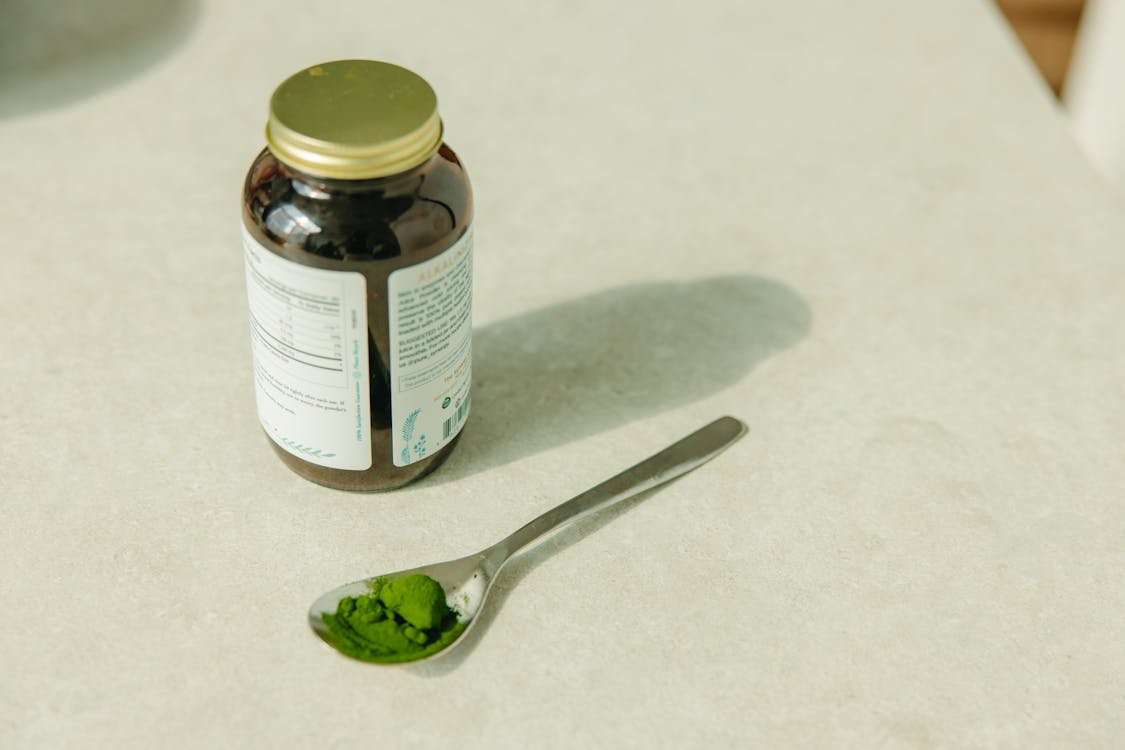
Photo by Yaroslav Shuraev
Start With Ingredient Identity And Supplier Controls
Safety begins with knowing where the components come from and why this is important because raw materials may vary significantly more than most anticipate. Manufacturers who are serious about quality spend time vetting their suppliers prior to purchasing large quantities, and examine audits, specifications, and Certificates of Analysis for testing of the component.
Additionally, solid manufacturers will monitor the country of origin as well as how the component was handled or transported, as these aspects can also impact the potential for contamination. Furthermore, if a manufacturer’s supplier alters any aspect that has an impact on quality, the process to verify should begin again, rather than simply carry forward previous approvals.
Identity testing is the next gate, because labels can hide ingredient substitutions. Many facilities use chemical fingerprinting methods, such as HPLC, to confirm marker compounds in botanicals. For minerals and certain contaminants, ICP based methods can confirm elemental profiles and trace metals. The point is to verify the ingredient matches its specification before it touches a production line.
Clinicians may already know the regulatory frame around supplements, but patients often do not. The NIH Office of Dietary Supplements explains how supplements are regulated and what consumers should understand about labels and claims. That background helps patients ask better questions about product quality and safety checks. It also keeps the conversation grounded in what rules can and cannot guarantee.
Quality Systems During Formulation And Manufacturing
Formulation is not just picking ingredients, because a formula must survive real production conditions. A solid system confirms ingredient compatibility, stability, and dosing feasibility within a chosen delivery form. It also considers excipients, because flow agents and binders affect uniformity and testing. The best formulation work anticipates problems before a pilot batch exposes them.
During manufacturing, control points are built into each stage of the process. Facilities use line clearance steps, documented equipment cleaning, and controlled material staging to prevent mix ups. In process checks also confirm weight, blend uniformity, and tablet hardness where relevant. Every check creates records that can be reviewed during investigations and audits.
A few checkpoints tend to show up in well run quality systems across many facilities. These checks are not flashy, but they reduce the most common failure modes. They also make it easier to trace the root cause when something goes wrong. Examples include the following controls:
- Lot number tracking from receipt through finished goods release and storage records
- Verified scale calibration and documented weighing by trained staff and second checks
- Environmental monitoring where moisture, heat, or microbes could compromise ingredients
Laboratory Testing And Release Criteria
Testing is often described as a single lab report, but it is usually a set of targeted assays. Potency testing checks whether the active ingredients meet label claims within an allowed range. Microbial testing screens for organisms that should not be present above acceptable limits. Heavy metals and other contaminants are assessed based on risk, ingredient type, and intended use.
The most useful question is not whether testing exists, but what release criteria apply. A responsible program defines pass fail limits in advance, then holds product until results confirm compliance. When results fail, the system should document the investigation, corrective actions, and disposition decisions. Without release criteria, lab data can become a marketing prop rather than a safety tool.
Third party testing can strengthen confidence, but it still depends on sampling quality. A clean certificate of analysis means little if the sample was not representative of the batch. Strong programs use documented sampling plans and chain of custody records. That keeps testing connected to the actual product patients will take.
The FDA provides clear consumer level guidance on dietary supplements, including safety reporting and label basics. It is a useful reference when patients ask what oversight exists and where problems get reported. It also helps clinicians frame realistic expectations about supplement regulation and quality variation.
Packaging, Label Control, And Storage After Production
Safety does not end when capsules fill a bottle, because packaging choices affect stability. Light sensitive ingredients may need opaque bottles, while moisture sensitive products may need desiccants and tight seals. Label control matters too, because mislabeling can turn a safe batch into a clinical risk. Good systems treat labels like controlled materials, with approvals and version tracking.
Storage and distribution add another layer of risk that many people overlook. Warehousing should control temperature and humidity, especially for gummies, liquids, and probiotic products. Stock rotation, expiry date tracking, and quarantine rules prevent shipped product from bypassing release. If fulfillment is part of the service, the same record keeping expectations should carry through.
For clinicians, practical patient counseling can stay simple and still be effective. Patients do not need a lecture on analytical chemistry to make safer choices. They need a short set of questions that reveal whether quality controls are real. Useful questions include batch numbers, testing scope, and whether a product was held until results cleared.
What To Look For Before You Trust A Bottle
Safety checks only help when they are documented, repeatable, and tied to clear pass fail limits. For patients and clinicians, the simplest screen is traceability: a real lot number, a defined test panel, and a release process that holds product until results clear. Add controlled labeling and storage, and you cut out many preventable risks. That is what separates a supplement that looks professional from one that is built with quality systems behind it.


