

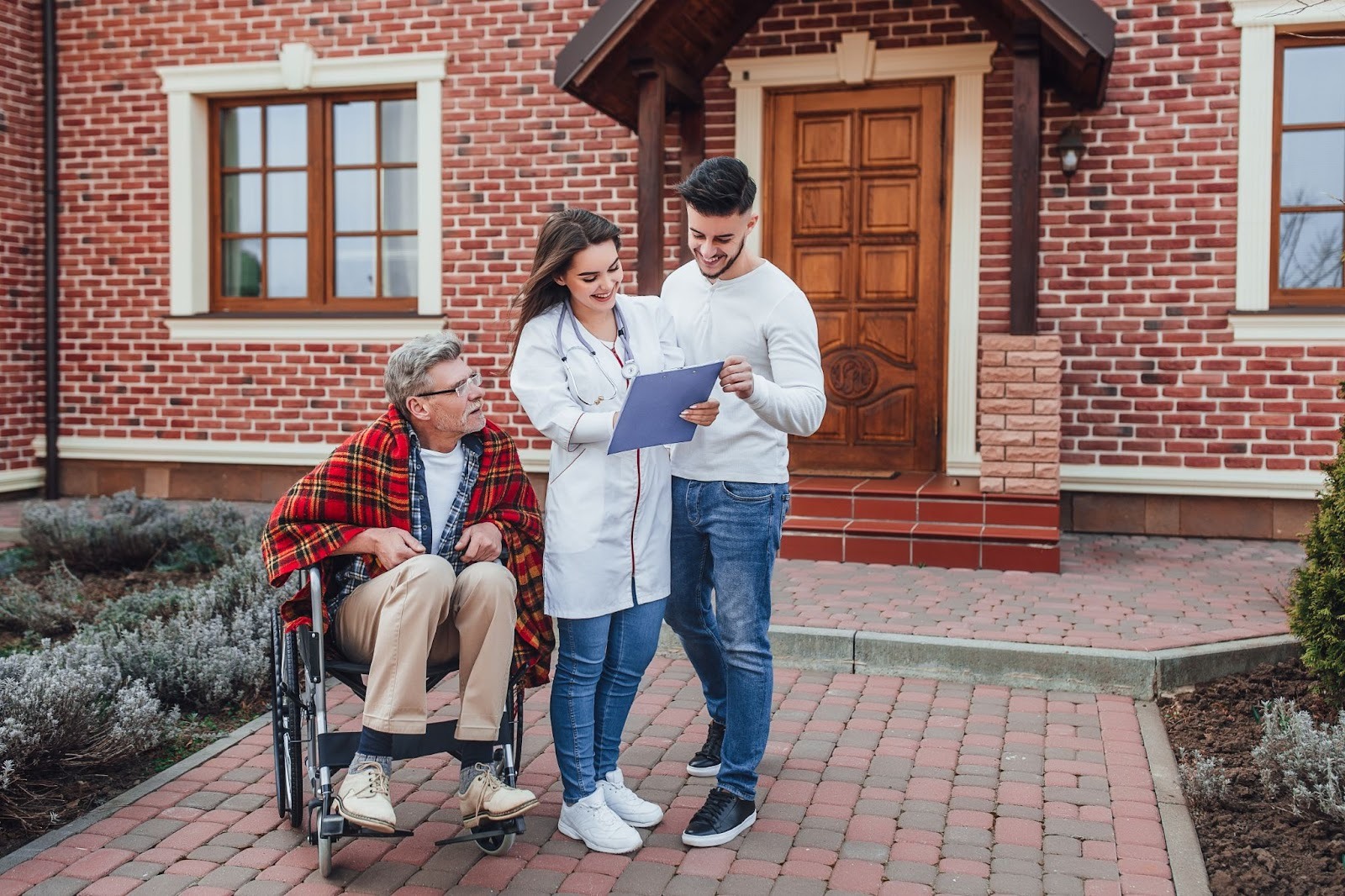
Many families face the challenge of ensuring the safety and well-being of their elderly loved ones in nursing homes. Unfortunately, elder abuse and neglect are significant concerns that can go unnoticed without proper monitoring. While nursing homes are meant to provide care, it’s often the involvement of family members that makes a real difference.
By staying proactive and engaged, relatives can help prevent abuse, ensure quality care, and protect their loved ones from harm. This article offers practical steps families can take to safeguard their elderly relatives in nursing homes.
Understanding the Risks
Elderly residents in nursing homes are vulnerable to various risks, including physical abuse, emotional abuse, neglect, and financial exploitation. Abuse and neglect issues can have serious consequences on their health and well-being, affecting their quality of life.
Physical abuse may manifest as unexplained injuries, while emotional abuse can lead to feelings of fear, anxiety, or withdrawal. Neglect often results in poor hygiene, malnutrition, or untreated medical conditions, and financial exploitation can involve unauthorized use of a resident’s funds. These risks make it crucial for families to stay vigilant and involved in their loved one’s care.
Regular Visits: The Key to Ongoing Monitoring
Frequent visits are essential for staying connected with your loved one and ensuring their well-being. Regular unannounced visits give you a clear picture of the care they’re receiving and help you spot any signs of abuse, neglect, or poor practices that may otherwise go unnoticed.
Varying your visiting times is also important, as it prevents staff from anticipating when you’ll arrive. This allows you to see the level of care provided at different hours. If you notice any concerning behavior, it’s crucial to know how to anonymously report a nursing home. Building relationships with staff through consistent visits also makes it easier to address any issues promptly.
Building Relationships with Staff and Understanding Protocols
Building strong relationships with nursing home staff is crucial for staying informed about your loved one’s care. When staff members feel that relatives are engaged, they’re more likely to provide timely updates and address any concerns. Relatives should actively inquire about the care protocols in place, including the staff training process, emergency procedures, and how staff are instructed to handle and report concerns.
Knowing the Signs of Abuse and Neglect
It’s important for relatives to recognize the signs of abuse and neglect, which can include sudden weight loss, unexplained injuries, withdrawal, poor hygiene, or a sudden decline in health.
While some signs may be more obvious, others can be subtle, making vigilance essential. Trust your instincts and if something feels wrong, don’t ignore it, even if there are no clear indicators. Relatives should feel empowered to speak up and ask staff for explanations if any red flags arise.
Endnote
Ensuring the well-being of your loved one in a nursing home is an ongoing responsibility. Staying informed, visiting regularly, and maintaining open communication with staff can go a long way in providing peace of mind. By being proactive and involved, you can help make sure that your loved one receives the care they deserve.


