

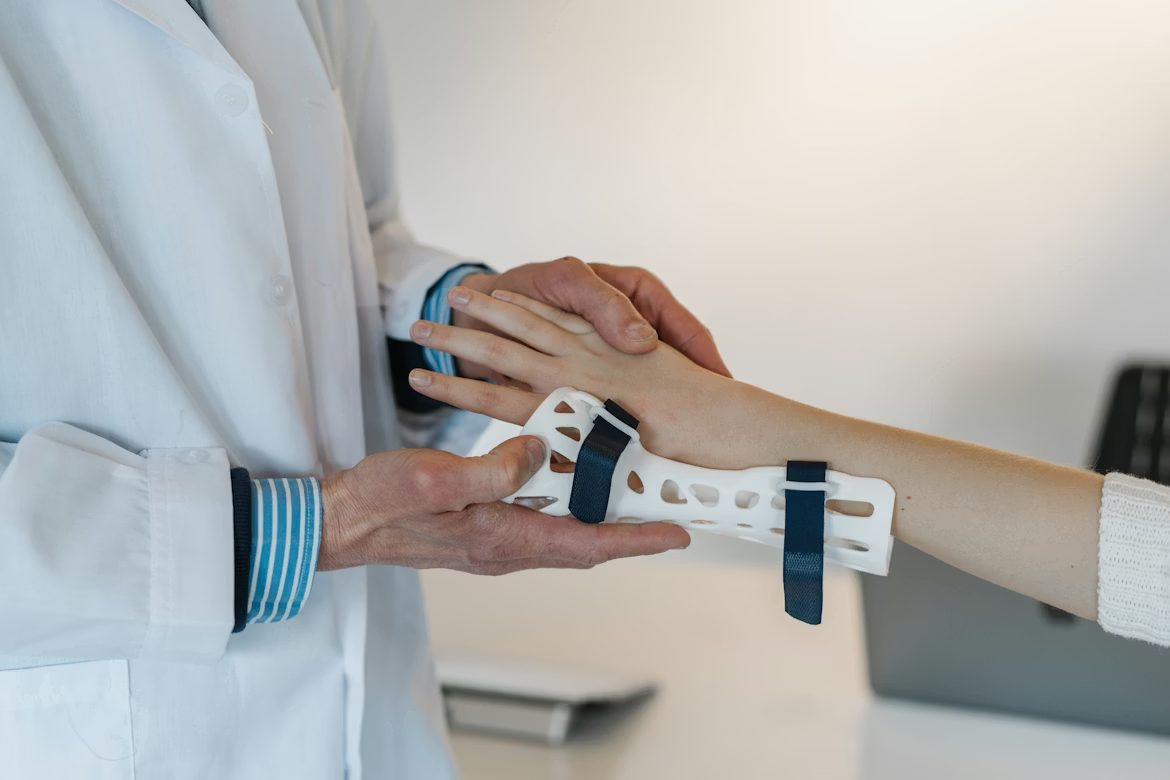
Early orthopaedic intervention plays a critical role in preserving mobility, reducing pain, and preventing long-term complications in adults. When individuals begin to notice persistent joint discomfort or reduced range of motion, seeking timely care from an orthopedic surgeon Dayton can provide access to specialized evaluation, accurate diagnosis, and targeted treatment plans designed to address musculoskeletal issues before they worsen. Rather than waiting for symptoms to become severe, early action allows patients to maintain independence and avoid more invasive procedures later in life.
The Importance of Early Diagnosis in Musculoskeletal Health
Musculoskeletal conditions often develop gradually, making them easy to overlook in their early stages. Mild stiffness, intermittent pain, or reduced flexibility may seem manageable at first, but these symptoms can signal underlying joint or soft tissue problems that require attention.
When orthopaedic conditions are identified early, clinicians can implement conservative treatments that slow disease progression. Timely diagnosis enables better management of conditions such as osteoarthritis, tendon injuries, and ligament strains, helping preserve joint function over time.
Preventing Long-Term Damage Through Timely Care
Delaying orthopaedic care can lead to worsening structural damage within joints and surrounding tissues. As inflammation persists or mechanical stress continues, cartilage can deteriorate, ligaments may weaken, and mobility can decline significantly.
Early intervention reduces the risk of irreversible damage by addressing the root cause of pain or dysfunction. By stabilizing joints and promoting healing at an early stage, patients can avoid complications that may otherwise require surgical correction or long-term rehabilitation.
Enhancing Mobility and Daily Function
Mobility is essential for maintaining independence and quality of life, particularly as adults age. Early orthopaedic care focuses on preserving movement patterns and preventing compensatory behaviors that can strain other parts of the body.
Through targeted therapies, physical rehabilitation, and lifestyle adjustments, patients can maintain strength and flexibility. This proactive approach supports better posture, balance, and coordination, all of which contribute to long-term functional mobility.
Reducing the Need for Invasive Procedures
One of the most significant benefits of early orthopaedic intervention is the potential to avoid surgery. When conditions are treated in their early stages, non-invasive or minimally invasive options are often sufficient to restore function and alleviate pain.
By contrast, delayed treatment may lead to advanced degeneration that requires joint replacement or complex surgical procedures. Early care allows clinicians to explore options such as physical therapy, medication, or guided injections before surgical intervention becomes necessary.
Supporting Faster and More Effective Recovery
Recovery outcomes are often more favorable when treatment begins early. The body responds better to intervention when damage is limited, allowing tissues to heal more efficiently and reducing recovery time.
Patients who receive prompt orthopaedic care are more likely to regain full function and return to their normal activities sooner. Early rehabilitation programs also help reinforce healthy movement patterns, minimizing the risk of reinjury.
The Role of Specialized Orthopaedic Care
Access to specialized orthopaedic services ensures that patients receive care tailored to their specific condition and lifestyle needs. Orthopaedic specialists use advanced diagnostic tools and evidence-based treatments to develop personalized care plans.
In locations such as Dayton, patients benefit from dedicated orthopaedic clinics that focus on comprehensive care, from initial assessment to recovery support. This continuity of care enhances treatment effectiveness and helps patients achieve long-term mobility goals.
Early orthopaedic intervention is not simply about treating pain; it is about preserving function, preventing deterioration, and supporting a higher quality of life. By addressing musculoskeletal issues at their onset, adults can maintain mobility, reduce the likelihood of invasive procedures, and enjoy sustained independence. Taking action early ensures that small concerns do not develop into significant limitations, making timely orthopaedic care an essential part of long-term health management.


