

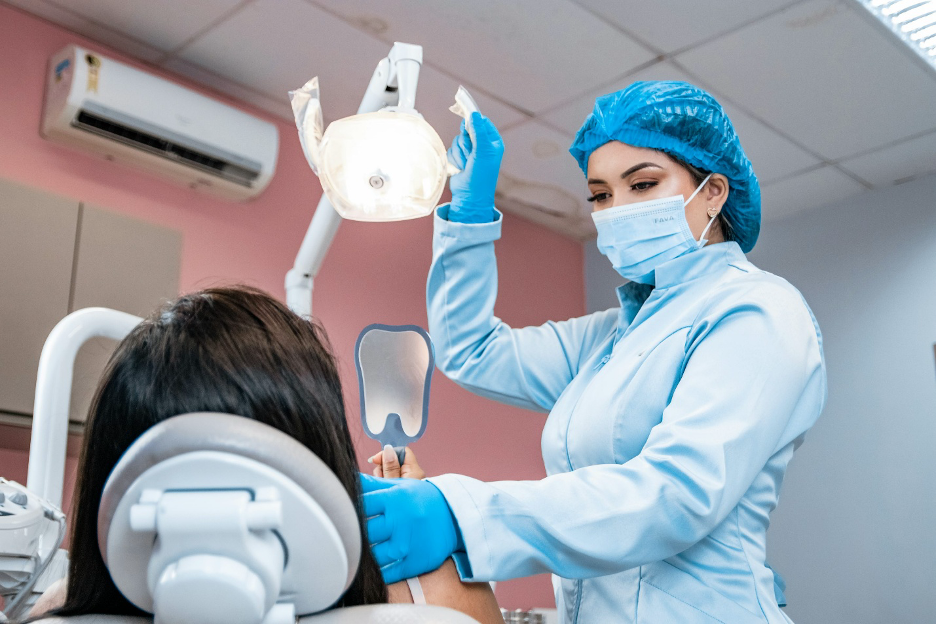
Keeping your teeth healthy requires steady care over time. Daily habits shape the condition of your smile years down the road, influencing everything from enamel strength to gum health. Small actions repeated consistently protect against decay, staining, and discomfort that often develop when care becomes inconsistent.
A thoughtful routine helps you avoid preventable procedures and maintain comfort as you age. Strong dental habits also support overall wellness, since oral health connects closely with the rest of the body. The following sections break down practical strategies that make long-term dental care simple and sustainable.
Start with the Right Brushing Routine
A consistent brushing routine forms the foundation of effective dental care. Brushing at least twice a day removes plaque and bacteria that collect along the gum line and tooth surfaces. Use a soft-bristled toothbrush and fluoride toothpaste to strengthen enamel while cleaning thoroughly.
Gentle circular motions clean more effectively than aggressive scrubbing, which can irritate gums and wear down enamel over time. Take at least two minutes to cover every area of your mouth, including the back molars that are easy to overlook. Attention to technique ensures that each brushing session supports long-term protection rather than causing unnecessary sensitivity.
Seek Consistent Professional Dental Support
Regular dental visits play a central role in maintaining strong teeth and healthy gums. Professional cleanings remove hardened plaque that daily brushing cannot eliminate, while dentists identify early signs of cavities, gum inflammation, or enamel wear before they become more serious. Early detection often means simpler treatment and less discomfort.
Practices such as Tribeca Dental emphasize preventive dentistry through comprehensive exams, professional cleanings, and personalized treatment planning that support long-term oral health. It provides advanced, patient-focused care with a team of dentists and specialists offering preventive, restorative, and cosmetic services in one convenient location.
Don’t Skip Flossing
Brushing alone cannot reach every surface of your teeth. Flossing removes debris and plaque from the tight spaces between teeth where decay often begins. Those areas create ideal conditions for bacteria when left uncleaned. Daily flossing reduces the likelihood of cavities forming between teeth and helps prevent gum irritation.
Technique matters here as well. Guide the floss gently along each tooth’s curve and move slightly below the gum line without snapping or forcing it. Consistency makes flossing easier over time, and gums typically become less sensitive as inflammation decreases. A few extra minutes each day can prevent complications that require far more time to address later.
Watch What You Eat and Drink
Food and beverage choices influence enamel strength and overall oral balance. Sugary snacks fuel bacteria that produce acids capable of weakening enamel. Frequent snacking increases acid exposure and gives teeth less time to recover. Acidic drinks such as soda and citrus juices can also erode enamel when consumed regularly.
Choose water as your primary beverage to help rinse away particles and maintain a neutral environment in your mouth. Calcium-rich foods like dairy products, almonds, and leafy greens contribute to stronger enamel. Crunchy fruits and vegetables stimulate saliva production, which naturally helps protect teeth. Thoughtful dietary choices complement your brushing and flossing efforts and reduce daily strain on enamel.
Protect Teeth During Activities
Protection matters just as much as cleaning. Sports and recreational activities carry a risk of impact that can chip or fracture teeth. A properly fitted mouthguard absorbs shock and reduces the chance of serious injury. Custom options offer better comfort and security than generic versions, making them easier to wear consistently.
Teeth grinding during sleep presents another concern. Grinding places repeated pressure on enamel and can lead to cracks, sensitivity, and jaw discomfort. Dentists often recommend nightguards to shield teeth from this damage. Addressing these risks early preserves the strength and appearance of your smile while preventing avoidable complications.
Build a Strong Nighttime Routine
Nighttime care plays a crucial role in long-term dental health. Saliva production decreases while you sleep, which means your mouth has less natural protection against bacteria. A thorough cleaning before bed reduces the amount of plaque and food particles that sit on your teeth overnight.
Brush carefully, floss completely, and consider using an alcohol-free mouth rinse if your dentist recommends one. Avoid late-night snacks, especially sugary or sticky foods that cling to enamel. A clean mouth at bedtime allows your teeth and gums to rest in a healthier environment for several uninterrupted hours.
Stay Hydrated Throughout the Day
Water supports your teeth in ways many people overlook. Proper hydration helps maintain saliva flow, which naturally washes away food debris and neutralizes acids produced by bacteria. A well-hydrated mouth maintains a more balanced environment, reducing strain on enamel.
Sip water after meals and snacks to help clear lingering particles. Choose fluoridated water when available, since fluoride reinforces enamel and improves resistance to decay. Replacing sugary beverages with water also limits acid exposure and reduces staining over time.
Pay Attention to Early Warning Signs
Awareness makes a significant difference in preventing small issues from turning into larger concerns. Bleeding gums, persistent bad breath, tooth sensitivity, or mild discomfort should never be ignored. These symptoms often signal inflammation, enamel wear, or early decay.
Schedule a dental appointment if you notice changes in how your teeth or gums feel. Prompt attention allows for more straightforward treatment and helps preserve natural tooth structure. Staying alert to subtle shifts in your oral health ensures that your preventive efforts continue to work effectively.
Healthy teeth develop through steady, intentional care. Daily brushing, consistent flossing, thoughtful food choices, and regular professional support work together to create lasting protection. Protective measures during sports and attention to nighttime habits add another layer of security. Hydration and early awareness further strengthen your efforts.
Each of these steps may seem simple on its own, yet together they create a strong defense against common dental problems. Commitment to these habits today leads to fewer complications, greater comfort, and a smile that reflects confidence for years to come.


