

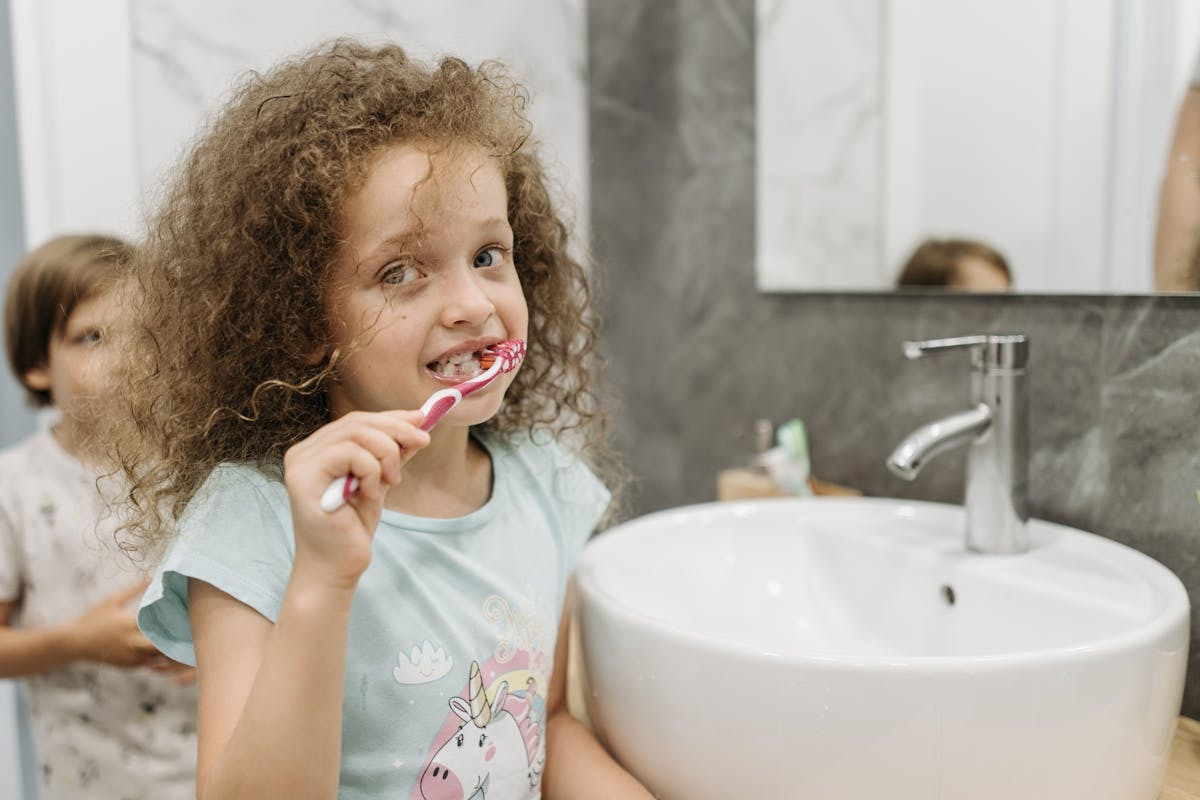
According to the American Dental Association’s 2023 pediatric oral health survey, children aged 2-11 experience cavities at nearly twice the rate of adults — yet most tooth decay in kids is entirely preventable with the right approach. As pediatric dentistry shifts toward prevention-first strategies and parents increasingly seek engaging ways to build healthy habits, the gap between families who make oral care fun and those who struggle with daily battles over brushing continues to widen.
For parents navigating the challenge of keeping small teeth healthy while managing busy schedules and strong-willed children, the stakes extend well beyond avoiding cavities. Poor oral health in childhood often sets patterns that persist into adulthood, affecting everything from self-confidence to overall health outcomes. The encouraging news? Research shows that children who develop positive associations with dental care early are significantly more likely to maintain excellent oral health throughout their lives.
This guide explores practical, science-backed strategies that transform routine dental care into engaging activities kids actually enjoy — from understanding how decay develops to creating age-appropriate prevention routines that work in real families.
How Tooth Decay Develops in Children
Children’s teeth face unique vulnerabilities that make understanding the decay process essential for effective prevention. Unlike adult enamel, which has had years to mature and strengthen, kids’ tooth enamel is thinner and more porous, creating easy pathways for acid-producing bacteria to penetrate and cause damage.
The process begins when plaque — a sticky film of bacteria — accumulates on teeth, particularly in hard-to-reach areas like molars and along the gum line. These bacteria feed on sugars and starches from food and drinks, producing acids as waste products. Within minutes of eating or drinking something sweet, these acids begin attacking tooth enamel, temporarily softening it in a process called demineralization.
Here’s what catches most parents off guard: a four-year-old drinking apple juice throughout the morning creates acid attacks every few minutes, keeping her teeth in a constant state of vulnerability. Her saliva needs time between exposures to neutralize the acid and begin remineralization — the natural repair process where minerals like calcium and phosphate rebuild weakened enamel.
Children face additional risk factors that adults typically don’t. Baby bottle tooth decay affects infants who fall asleep with bottles containing milk, formula, or juice, bathing their teeth in sugars for hours. Toddlers often resist thorough brushing, leaving plaque in place longer than ideal. School-aged children frequently snack on processed foods and forget to rinse afterward, extending acid exposure times.
The speed at which decay progresses in children can surprise even experienced parents. What appears as a small dark spot on Monday might require significant intervention by Friday, particularly in primary teeth where the enamel layer is naturally thinner. Understanding this timeline helps explain why consistent daily prevention matters more than periodic intensive efforts.
Fun and Practical Prevention Strategies for Different Ages
Prevention strategies that work for adults often fail spectacularly with children, who need approaches that align with their developmental stage and natural inclinations. The key lies in creating positive associations with oral care while building habits that become second nature.
Prevention for Toddlers and Preschoolers
Toddlers thrive on routine and sensory experiences, making this the perfect time to establish oral care as a natural part of daily life. Musical brushing transforms the necessary two-minute brushing time into an anticipated activity — choose upbeat songs and encourage dancing while brushing, making it impossible to rush through the process.
Puppet brushing engages their imagination while teaching proper technique. A small finger puppet can “brush” their own teeth first, demonstrating circular motions and reaching all surfaces before helping the child brush their own teeth. This approach works particularly well for children who resist having someone else brush their teeth but aren’t yet coordinated enough for independent brushing.
Creating a visual progress system helps toddlers understand the routine without relying on time concepts they haven’t mastered. A simple chart with morning and evening tooth pictures lets them place stickers after each brushing session, providing immediate gratification and visual evidence of their success. Pair this with flavor exploration — child-safe fluoride toothpastes come in various flavors, and letting toddlers choose their daily flavor gives them ownership over the experience.
The buddy system works remarkably well at this age. Whether it’s brushing alongside a parent, sibling, or stuffed animal, toddlers learn through imitation and feel more confident when they’re not alone in the activity.
Prevention for School-Aged Children
School-aged children can handle more responsibility while still benefiting from engaging approaches that make oral care interesting rather than routine. Educational storytelling helps them understand the “why” behind dental care — create ongoing stories about cavity-fighting superheroes or brave toothbrushes battling sugar monsters, making them active participants in protecting their teeth.
Gamification leverages their competitive nature and growing understanding of goals and rewards. Set up weekly challenges like “no cavities detected by the toothbrush inspector” or “successfully flossing all molars.” Technique competitions with siblings or friends can improve their brushing effectiveness while keeping it playful — who can make the most foam, reach the furthest back tooth, or brush in the most creative pattern while still covering all surfaces.
Science experiments appeal to their natural curiosity. Demonstrate acid effects using eggs soaked in soda, or show plaque formation using disclosure tablets that temporarily stain plaque pink or blue. These visual demonstrations make abstract concepts concrete and memorable. When establishing care routines involving multiple steps beyond regular brushing and dietary changes, some children may eventually need additional interventions like dental crown treatment for kids if decay has progressed despite prevention efforts.
Independence building becomes crucial at this age. Provide them with their own timer, mirror, and supplies, then gradually reduce supervision while maintaining oversight. Teaching them to evaluate their own brushing results using a small flashlight and mirror builds self-sufficiency and pride in their oral health management.
Role of Diet and Oral Hygiene in Tooth Decay Prevention
Diet affects children’s teeth differently than adults’, primarily because kids consume foods and drinks more frequently throughout the day and often lack the coordination for immediate oral hygiene afterward. Frequency matters more than quantity — a child who eats one large cookie and rinses afterward faces lower decay risk than one who nibbles crackers continuously during afternoon play.
Sugar timing creates strategic prevention opportunities. The bacteria in plaque produce acid most aggressively in the first 20 minutes after sugar exposure, making this window critical. Teaching children to rinse with water after eating sweet or starchy foods can significantly reduce acid production, even when immediate brushing isn’t possible.
Saliva production naturally decreases during sleep, making bedtime nutrition particularly important. Children who drink milk or eat crackers before bed without brushing essentially feed oral bacteria all night while their natural defense mechanisms are reduced. Establishing a clear cutoff time for eating and drinking anything except water helps protect teeth during these vulnerable hours.
Brushing technique requires more attention in children because their motor skills are still developing. The modified Bass technique works well for school-aged children: angle the toothbrush bristles toward the gum line at 45 degrees, use gentle circular motions, and ensure coverage of all tooth surfaces. For younger children, any brushing motion that removes plaque without causing discomfort is acceptable — technique refinement can develop gradually.
Flossing introduction should begin as soon as teeth touch each other, typically around age 2-3. Floss picks often work better than traditional floss for children, providing better control and reducing frustration. Making flossing a shared activity where parents and children floss together normalizes it as part of complete oral care rather than an additional burden.
Snack strategy development helps families make tooth-friendly choices without eliminating enjoyment. Fresh fruits, vegetables, cheese, and nuts naturally stimulate saliva production and provide beneficial nutrients for enamel strength, while crackers, dried fruits, and sticky candies create prolonged acid exposure. Teaching children to pair problematic snacks with tooth-friendly foods — crackers with cheese, dried fruit with nuts — can minimize damage while maintaining variety.
Role of Fluoride and Other Protective Factors on Kids’ Teeth
Fluoride works through multiple mechanisms that make it particularly valuable for developing teeth. Systemic fluoride from water and supplements gets incorporated into tooth structure as teeth form, creating fluorapatite crystals that resist acid attacks more effectively than natural enamel. Topical fluoride from toothpaste and professional treatments enhances remineralization, helping repair early acid damage before it becomes permanent.
Water fluoridation provides consistent, low-level protection that benefits children regardless of their oral hygiene consistency. However, families using well water or bottled water exclusively may need additional fluoride sources. Fluoride toothpaste remains the most accessible topical source — children over age 3 can safely use a pea-sized amount of fluoride toothpaste, while younger children need only a rice grain-sized amount to gain benefits while minimizing ingestion.
Professional fluoride treatments applied during dental visits provide higher concentrations that penetrate deeper into enamel. Fluoride varnishes work particularly well for young children because they adhere to teeth for hours, providing extended contact time, and taste better than traditional fluoride gels or foams.
Saliva’s protective role often gets overlooked despite being crucial for oral health. Saliva neutralizes acids, provides antibacterial compounds, and delivers minerals for remineralization. Dry mouth conditions in children — whether from medications, mouth breathing, or dehydration — significantly increase decay risk. Encouraging water consumption, addressing breathing issues, and using sugar-free gum for older children can stimulate saliva production.
Natural enamel strengthening occurs through proper nutrition and oral environment management. Calcium and phosphorus from dairy products, leafy greens, and fish provide building blocks for enamel repair. Vitamin D enhances mineral absorption, while vitamin C supports gum health and immune function in the mouth.
Xylitol, a natural sugar substitute found in some gums and toothpastes, actively inhibits the growth of cavity-causing bacteria. For families with children at high decay risk, incorporating xylitol-containing products can provide an additional layer of protection beyond traditional fluoride approaches.
Common Misconceptions and Parental Support Tips
Many parents operate under misconceptions that inadvertently increase their children’s decay risk. “Baby teeth don’t matter” remains surprisingly common, yet primary teeth serve as space holders for permanent teeth and affect speech development, nutrition, and self-esteem. Severe baby tooth decay can damage developing permanent teeth underneath and create alignment problems that persist for years.
Genetic fatalism — believing that “bad teeth run in our family” — often leads to reduced prevention efforts when increased vigilance is actually needed. While genetic factors do influence enamel quality, saliva composition, and bacterial populations, environmental factors like diet, oral hygiene, and fluoride exposure play equally important roles in determining outcomes.
Fruit juice misconceptions persist because parents associate fruit with health benefits. However, apple juice contains similar sugar concentrations to soda and lacks the fiber that whole fruit provides to stimulate saliva and encourage chewing. Even diluted juice creates acid attacks, making water the optimal daily drink for dental health.
Brushing timing confusion affects many families who brush immediately after every meal, potentially damaging enamel softened by recent acid exposure. Waiting 30-60 minutes after eating allows saliva to begin neutralizing acids and re-hardening enamel before mechanical cleaning occurs.
Parental modeling influences children’s oral health attitudes more than direct instruction. Children whose parents prioritize their own dental care, discuss oral health positively, and maintain regular dental visits develop similar attitudes naturally. Creating family oral health routines where everyone participates simultaneously reinforces the importance while making it enjoyable.
Supporting your child’s dental health extends beyond daily routines to include environmental considerations like reducing stress during oral care times, addressing any underlying medical conditions that affect oral health, and maintaining open communication with dental professionals about concerns or changes in your child’s oral health status. The goal isn’t perfect compliance but rather building sustainable habits and positive associations that will serve them throughout their lives.


