

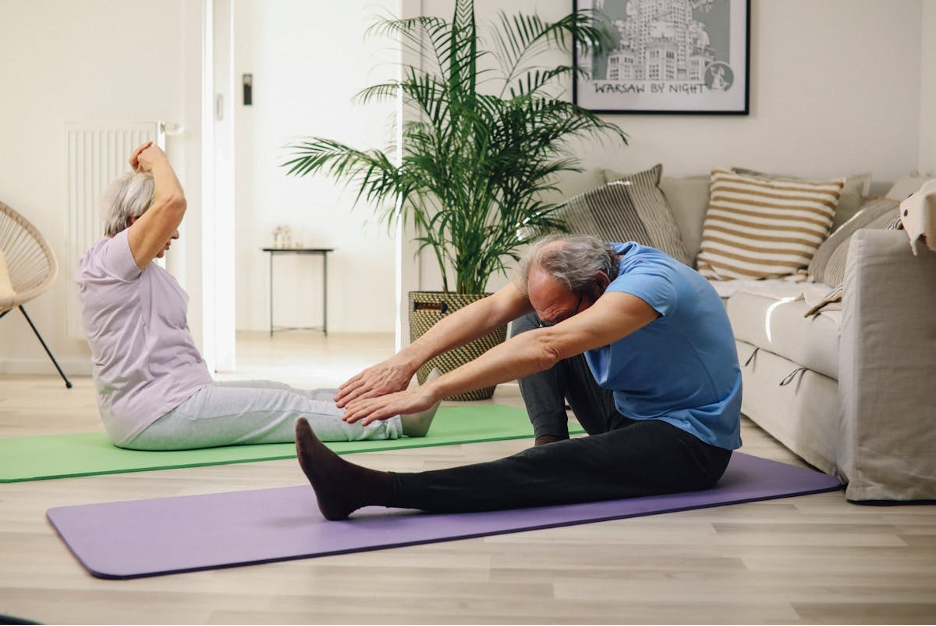
According to the National Institute of Neurological Disorders and Stroke, lower back pain affects approximately 80% of adults at some point in their lives, making it one of the leading causes of missed work days in America. Yet despite advances in pain management and physical therapy, many people continue to rely primarily on medication for relief rather than addressing the underlying mechanical issues through targeted movement.
The landscape of back pain treatment is shifting toward evidence-based exercise interventions as research demonstrates their effectiveness in both immediate relief and long-term prevention. This approach matters because chronic lower back pain doesn’t just affect physical comfort — it reshapes how people move, work, and engage with daily activities, often creating a cycle where fear of movement leads to further weakness and stiffness. In more complex or persistent cases, seeking expert spinal care in Clifton can complement exercise-based strategies with a more comprehensive treatment plan.
Understanding how strategic exercise affects pain perception, core stability, and spinal health offers a path toward sustainable relief that builds strength rather than dependency. The key lies in knowing which movements provide the greatest benefit, how to perform them safely, and why consistency in practice creates lasting change in how your back responds to daily demands.
How Exercise Changes Lower Back Pain Perception and Motivation
Regular movement fundamentally alters how the nervous system processes pain signals, creating a shift that extends far beyond the immediate physical effects of stretching or strengthening. When you engage in consistent, appropriate exercise, your brain begins to interpret pain differently — what researchers call “exercise-induced analgesia.” This natural pain relief occurs because physical activity triggers the release of endorphins and other neurochemicals that modulate pain perception at the spinal cord level.
Consider someone who’s been avoiding movement for weeks due to back pain. Their nervous system becomes hypersensitive, interpreting even minor movements as threatening. But as they gradually reintroduce controlled movement, something interesting happens: the same activities that once caused significant discomfort begin to feel manageable. This isn’t just muscle adaptation — it’s neurological reprogramming.
The psychological component proves equally important. Fear-avoidance behavior — the tendency to limit movement out of concern for triggering pain — often perpetuates the problem more than the original injury. Exercise breaks this cycle by providing positive experiences with movement, rebuilding confidence in your body’s ability to handle normal activities. Each successful session reinforces that movement is healing rather than harmful.
This process requires patience because pain perception changes occur gradually. Initial sessions might feel uncomfortable, but the key is distinguishing between productive muscle fatigue and harmful pain. Most people notice the first psychological shifts within two to three weeks of consistent practice — movements that previously caused anxiety begin feeling routine, and the anticipation of pain decreases significantly. This motivational momentum becomes self-reinforcing, making it easier to maintain the consistency that drives long-term improvement.
Core Strengthening Exercises to Support Lower Back Health
Key Core Movements That Stabilize the Lower Back
The relationship between core strength and lower back health centers on spinal stabilization — your core muscles act as a natural back brace, reducing the load on your lumbar spine during daily activities. The most effective exercises target the deep stabilizing muscles rather than just the superficial abdominal muscles visible at the surface.
Dead bugs provide an excellent starting point because they teach coordination between opposite limbs while maintaining a stable spine. Lying on your back with knees bent at 90 degrees, slowly extend one arm overhead while straightening the opposite leg, then return to start. The challenge lies in preventing your lower back from arching as your limbs move — this anti-extension work directly translates to better spinal control during walking, lifting, and reaching.
Planks and modified planks build endurance in the muscles that maintain upright posture throughout the day. Start with a knee plank if a full plank feels too demanding, focusing on maintaining a straight line from your knees to your head. The goal is holding proper form for 20-30 seconds rather than struggling through a longer hold with poor alignment.
Bird dogs combine the stability challenge of dead bugs with the added complexity of working against gravity from a hands-and-knees position. Extending opposite arm and leg simultaneously while keeping your hips level teaches the precise coordination your spine needs during functional movements like reaching into cabinets or picking up objects from the floor.
How Core Strength Prevents Recurring Back Pain
Strong core muscles change the mechanical stress patterns on your lumbar spine by distributing loads more evenly across multiple muscle groups rather than overloading the small intrinsic muscles of the back. When your core is weak, movements like bending forward to tie your shoes or lifting a grocery bag place disproportionate stress on your lumbar discs and facet joints.
The intra-abdominal pressure created by coordinated core muscle contraction acts like an internal weightlifting belt, providing hydraulic support for your spine during demanding activities. This pressure system works most effectively when all core muscles — including the diaphragm, pelvic floor, and deep back muscles — work together rather than just the front abdominal muscles.
Research from the American Physical Therapy Association demonstrates that people with chronic lower back pain often show delayed activation of their core muscles compared to those without pain. Targeted core training reestablishes the timing and coordination of these muscles, so they automatically engage before potentially stressful movements rather than reacting after problems occur.
Building this automatic stabilization takes time — typically 6-8 weeks of consistent practice before the nervous system reliably activates these muscles without conscious effort. This timeline explains why short-term exercise attempts often fail to provide lasting relief, while sustained programs create genuine structural changes in how your body manages spinal loads.
Effective Stretching Techniques for Lower Back Flexibility
How to Perform Stretches Safely and Correctly
Proper stretching technique for lower back pain focuses on gentle, sustained holds rather than aggressive manipulation or bouncing movements. The goal is encouraging tight tissues to relax and lengthen gradually, which occurs through sustained pressure rather than force. Most effective stretches for the lower back target the hip flexors, hamstrings, and glutes — muscles that when tight, pull on the lumbar spine and create compensatory stress patterns.
The knee-to-chest stretch provides immediate relief for many people because it gently flexes the lumbar spine in a supported position. Lying on your back, pull one knee toward your chest while keeping the opposite leg straight or bent, depending on what feels comfortable. Hold for 30-60 seconds, breathing deeply to help the muscles release. The breathing component is crucial — holding your breath creates tension that counteracts the stretching benefit.
Cat-cow movements address spinal mobility through gentle flexion and extension while supporting your body weight on hands and knees. Move slowly between arching your back (cow) and rounding it (cat), focusing on moving one vertebra at a time rather than creating sharp angles at any single joint. This movement pattern helps restore normal spinal motion that often becomes restricted when pain causes protective muscle guarding.
The figure-4 hip stretch targets piriformis and hip external rotator tightness that frequently contributes to lower back discomfort. Lying on your back, place one ankle on the opposite knee and gently pull the supporting thigh toward your chest. You should feel the stretch in your hip and glute, not your lower back — if you feel pulling in your spine, ease the pressure and focus on relaxation rather than forcing range of motion.
Benefits of Regular Stretching on Mobility and Comfort
Consistent stretching addresses the muscle imbalances that develop from prolonged sitting and repetitive daily activities. When hip flexors remain shortened from extended sitting, they pull the pelvis into anterior tilt, which increases the curve in your lower back and places additional stress on lumbar structures. Regular hip flexor stretching helps restore neutral pelvic positioning.
Improved flexibility in surrounding muscle groups allows the lower back to move through its natural range of motion without compensation patterns. Tight hamstrings, for example, limit hip flexion during forward bending, forcing the lumbar spine to round excessively to reach toward the floor. Adequate hamstring flexibility allows the hips to hinge properly, reducing lumbar stress during common movements like picking up objects or tying shoes.
The neurological benefits of stretching include improved communication between muscles and the nervous system. When tissues are chronically tight, sensory receptors in the muscles send continuous signals to the spinal cord, which can contribute to ongoing muscle tension and pain sensitivity. Regular stretching helps normalize these sensory inputs, reducing background muscle tension that often accompanies lower back pain.
Timing matters significantly — stretching when muscles are warm, such as after light activity or a warm shower, produces better results than stretching cold tissues. Many people find that 10-15 minutes of gentle stretching before bed helps reduce morning stiffness, while others prefer post-exercise stretching to address tightness that develops during activity.
Comparing Low-Impact Exercises and Maintaining Proper Form
Choosing Exercises That Minimize Lower Back Strain
Low-impact exercises provide the movement benefits necessary for back health while avoiding the jarring forces that can aggravate sensitive tissues. Water-based exercise offers unique advantages because buoyancy reduces gravitational load on the spine while providing gentle resistance for strengthening. Walking in chest-deep water allows natural movement patterns while supporting up to 80% of body weight, making it an excellent option during acute pain episodes.
Static versus dynamic exercises serve different purposes in lower back pain management. Static holds like planks build endurance in stabilizing muscles, while dynamic movements like gentle spinal rotations maintain mobility. The most effective programs combine both approaches — using static exercises to build foundational strength and dynamic movements to maintain functional mobility needed for daily activities.
Yoga and tai chi represent structured approaches to low-impact movement that integrate strength, flexibility, and body awareness. These practices emphasize controlled movement and breathing coordination, which helps develop the mind-body connection essential for recognizing and responding to your body’s signals appropriately. However, certain yoga poses like deep backbends or aggressive forward folds may need modification for those with acute lower back pain.
The progression from rehabilitation exercises to fitness activities should be gradual and systematic. Starting with basic stabilization and mobility exercises, then advancing to more challenging movements as tolerance improves, prevents the common mistake of doing too much too soon. Many people benefit from working with physical therapists or other movement professionals to ensure proper exercise selection and progression timing.
Common Form Mistakes to Avoid During Back Exercises
Breath-holding during exercise represents one of the most common yet overlooked form errors. When you hold your breath during exertion, you create excessive intra-abdominal pressure that can stress the lumbar spine rather than supporting it. Proper breathing involves exhaling during the exertion phase of movement while maintaining gentle core engagement — imagine slowly deflating a balloon rather than forcefully expelling air.
Many people perform planks with excessive lumbar extension, allowing their hips to sag toward the floor while thinking they’re maintaining proper form. This position places the lower back in a vulnerable hyperextended position under load. Proper plank form requires a slight posterior pelvic tilt, engaging the glutes and lower abdominals to maintain a neutral spine position from head to heels.
Speed errors during dynamic exercises often result from impatience or misunderstanding exercise goals. Rapid movements during exercises like bird dogs or dead bugs prevent the nervous system from learning proper coordination patterns and can trigger protective muscle spasms in sensitive individuals. Slower, controlled movements allow for better muscle recruitment and help develop the stability control needed for functional activities.
Progressive overload mistakes occur when people advance too quickly in exercise difficulty or duration. Adding 30 seconds to a plank hold or progressing from knee planks to full planks should happen gradually as current exercises become genuinely easy rather than just tolerable. For those dealing with chronic back pain, especially when considering expert spinal care in Clifton for comprehensive evaluation and treatment planning, understanding these progression principles helps prevent setbacks that can derail exercise programs and delay recovery.
Impact of Lifestyle on Lower Back Pain and Exercise as Medication-Free Relief
Modern sedentary lifestyles create the perfect conditions for lower back pain development through prolonged static positioning that places sustained load on spinal structures while allowing supporting muscles to weaken. Sitting for hours places the lumbar discs under 40% more pressure than standing, while hip flexors shorten and glutes become inhibited — creating mechanical imbalances that persist even after leaving the desk.
The movement deficit extends beyond just sitting time to include reduced variety in daily movement patterns. Our ancestors performed diverse physical activities that naturally maintained spinal health through varied loading and movement directions. Today’s lifestyle often involves repetitive, limited-range activities that fail to stimulate the full spectrum of muscle activation and joint motion needed for optimal spinal function.
Exercise as medication replacement offers compelling advantages for those seeking alternatives to pharmaceuticals. Regular movement addresses root causes of pain rather than just masking symptoms, while building physical capacity that protects against future episodes. Unlike medications that can lose effectiveness over time or cause side effects, exercise benefits compound with consistency — each session contributes to improved function and reduced pain sensitivity.
The neurological retraining that occurs through regular exercise helps break the chronic pain cycle that often develops when initial injuries heal but pain patterns persist. Movement therapy essentially teaches the nervous system new responses to normal activities, gradually reducing the hypersensitivity that can make everyday tasks feel threatening to someone with chronic back pain.
Establishing sustainable exercise habits requires understanding that progress occurs gradually rather than through dramatic immediate changes. Most people notice improved sleep and reduced morning stiffness within the first few weeks, with more significant strength and flexibility gains developing over months of consistent practice. This timeline helps set realistic expectations and prevents the discouragement that leads many to abandon exercise programs prematurely. The key lies in viewing movement as a daily practice for long-term spinal health rather than a quick fix for immediate symptoms — a perspective that transforms exercise from a chore into an investment in pain-free living.


