

Introduction
Computers changed medicine in many ways. Rules about medicines might seem far away from doctors work. Still these rules affect when drugs reach patients. Updates on safety come through such systems too. Guidelines telling doctors what to prescribe are shaped here. Patient health over years ties back to decisions made during regulation. Handling a medication’s life cycle used to mean stacks of paperwork. Now it moves fast relying on facts pulled from live databases. Software helps keep everything correct following laws closely. Speedy choices happen because information flows without delay.
A bit like the way big ceramic slabs organize sleek building surfaces, holding shape under pressure, digital rules in medicine create steady paths through messy drug development. Seeing this shift lets doctors notice how smart oversight quietly strengthens patient care behind the scenes.
Why Drug Lifecycle Management Matters for Clinical Practice
Starting fresh each time keeps things clear. From first research through testing on people, one step leads to another. Decisions at any point shape what doctors can do later. After approval, watching how drugs work in real life becomes key. Even ending a drug’s use ties back to earlier choices. How treatments move forward influences daily medical decisions.
Messy or hands-on workflows often lead to hiccups and mismatched timing. Gaps like these might slow down label revisions, patient alerts, or drug list adjustments. With digital DLM, things stay connected – regulatory details flow smoothly from early research all the way to actual medical practice. Doctors get better clarity on prescriptions, quicker warnings when risks change, and trust that their choices rest on solid regulatory ground.
The Core Components of Modern Regulatory Affairs (RIM, eDMS, QMS)
Keeping up with today’s regulations isn’t about paper piles anymore. Instead, it runs on three linked systems working behind the scenes. Think of them like gears – each one turns differently yet keeps the machine moving. One handles records and data access fast. Another manages quality checks across processes. The third tracks submissions and deadlines with precision. Each system feeds the others, making delays harder to miss. They adapt when rules shift. Their strength comes not from complexity but consistency. This is how modern oversight actually works.
Handling papers digitally means less risk of mistakes. One of our amazig systems services keeps track of every change made to rules, patient records, or messages sent to government health bodies. When updates happen, old versions do not get mixed in by accident. Every edit leaves a clear mark showing who did what and when. Doctors need current guidelines to make solid choices about care. Outdated files simply cannot slip through. Trust grows when everyone sees the right version at the right time.
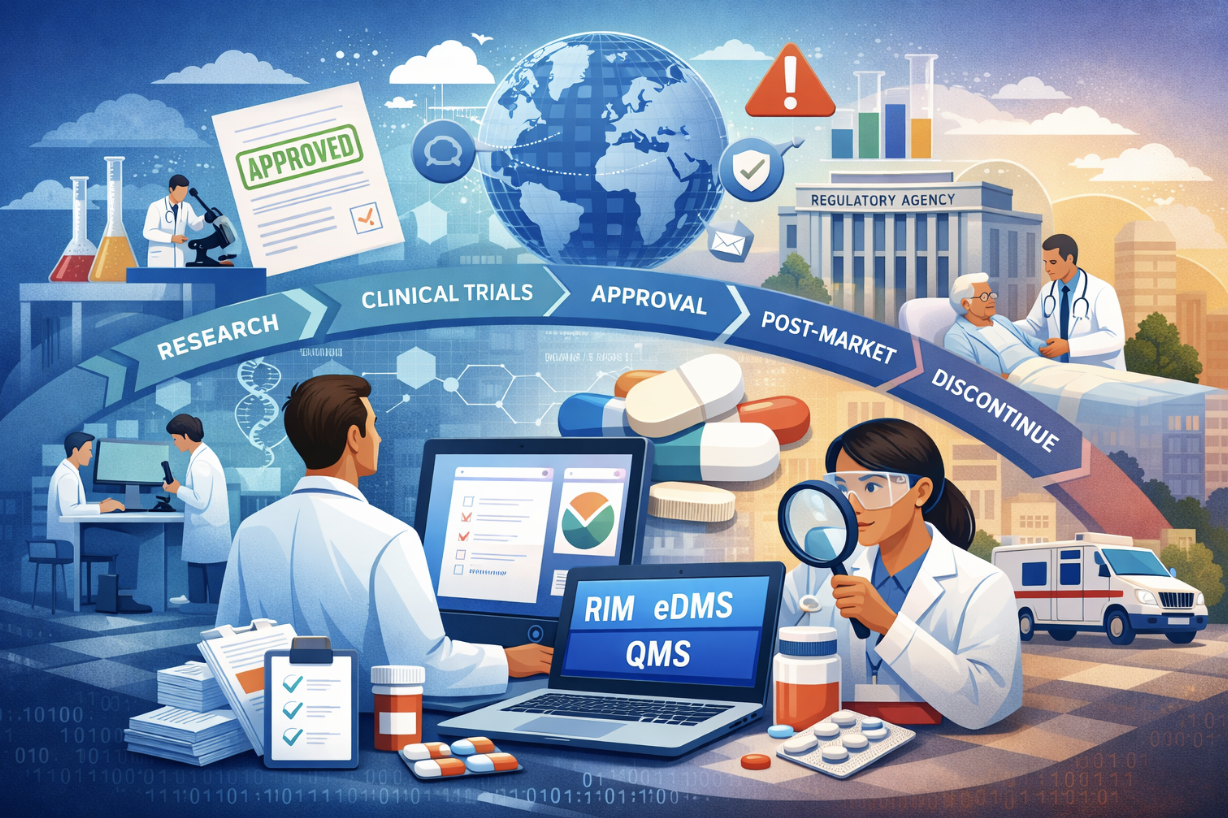
How Digital Platforms Improve Data Integrity and Safety Updates
When mistakes happen less, information stays more truthful. Machines handling steps in the process helps avoid slips people might make. Rules built into systems check details right away, stopping errors before they grow. Every change gets recorded, so nothing disappears without a trace. What reaches authorities matches what actually occurred out there. Clear records mean safer outcomes over time.
If a safety issue shows up, digital systems help quickly review, record, and report it to regulators. Warnings reach doctors faster – alongside new precautions or ways to reduce harm. In medical fields that shift rapidly, acting without delay keeps patients safer.
Towards the Connected Clinical Regulatory Ecosystem
A web of linked systems is reshaping how medicine moves from the trial to approval. Data once trapped in silos now flows between research teams, agencies, and clinics. Tools that speak the same digital language help break down old barriers. Progress shows when updates ripple across departments without delay. Speed matters less than accuracy in these networks. Trust grows when every change leaves a trace. One misstep can stall momentum, yet clarity keeps things moving.
In the middle of all this, tools for handling rules and standards bring openness plus teamwork into view. With Amazing Systems, companies in drug development get help running systems for records, documents, quality – all woven together, staying within guidelines. When data about regulations is organized well, medical teams benefit quietly: decisions gain clarity, trust builds, work continues without hiccups.
Conclusion
Imagine how much smoother things get when paperwork moves online. Regulatory work going digital isn’t merely swapping paper for screens – it helps doctors make better choices. When systems talk to each other, updates flow without delay. Teams handling approvals pass along precise details exactly when needed. That means fewer errors in prescriptions. Watchful monitoring of drug effects becomes faster too. Patients? They benefit most in the end.
Porcelain tiles hold up hospital floors with quiet strength. In much the same way, digital systems support the rules behind medicine tracking. These tools handle every phase a drug goes through, from start to finish. Doctors gain clarity when they see how strict oversight shapes their choices. Data now guides care more than ever before. Behind that shift are frameworks ensuring safety and order.
Frequently Asked Questions
1. What is drug lifecycle management in regulatory affairs?
Keeping track of rules during every phase of a medicine’s journey – starting from early research, moving through testing and clearance, then on to monitoring after release, finally ending with its removal if needed – is what managing a drug’s lifecycle looks like.
2. How does digital transformation benefit clinicians directly?
Clear labels mean safer choices happen quicker. Because rules stay steady, doctors trust what they prescribe. Patients gain when updates move fast. Reliable info flows without delay, making care more sure.
3. How do RIM tools help keep patients safe during treatment?
Starting off, RIM platforms keep regulatory details aligned no matter the location. One thing leads to another – consistent labeling supports correct usage in real-world care settings. Information on how drugs are meant to be used stays up to date. Rules around dosage stay clear because updates flow smoothly across borders. Staying within legal boundaries becomes easier when everyone works from the same facts.
4. Why is pharmacovigilance stronger with digital platforms?
Faster reports of harmful effects come through digital tools. These systems dig into information more deeply, uncovering patterns once hidden. When risks show up, authorities react sooner than before.


