

Medical cannabis prescriptions have shot up 400% in the past decade. Doctors are now figuring out how to fit cannabinoid therapies into regular treatment plans. This means updating protocols for patient safety and dosing accuracy.
Prescribing medical cannabis means balancing what helps against what might harm. Clear guidelines keep patients safe and improve their outcomes. Here’s what works in real clinical settings.
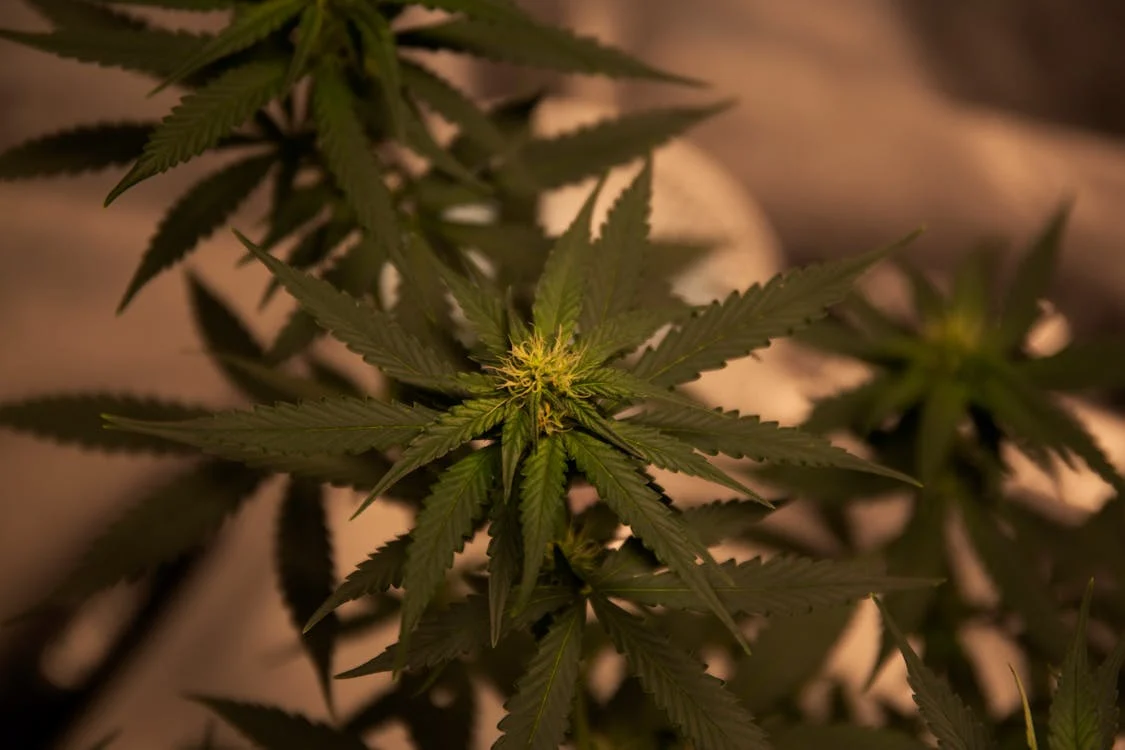
Photo by Washarapol D BinYo Jundang
Medical Cannabis Formulations Explained
Cannabis products vary wildly in cannabinoid content. THC levels start at 5% in flower and climb past 90% in concentrated extracts. CBD formulations give you therapeutic effects without the high. Patients can use them during the day without impairment.
Different delivery methods hit differently. Inhalation works in 5 to 10 minutes but wears off faster. Oral products need 60 to 120 minutes to start working. They stick around for 6 to 8 hours though. Sublingual tinctures land in the middle at 15 to 30 minutes.
Product quality shifts dramatically between suppliers. Reputable sources like BuyMyWeed provide third-party lab results. These show exact cannabinoid profiles and test for contaminants. Medical products need to pass strict checks for pesticides and heavy metals. Consistent batches mean patients get predictable results every time.
How to Dose Cannabis for Patients
Start low and go slow. That’s the basic rule everyone follows. Initial doses of 2.5 to 5 mg THC let you assess tolerance. New users often respond to lower amounts than experienced consumers. They haven’t built up any tolerance yet.
Bump up doses gradually over a few weeks. Add 2.5 mg every 3 to 7 days based on what you see. Most people find relief somewhere between 5 to 20 mg daily for chronic pain. Going higher usually just adds side effects without extra benefits.
Age changes how the body handles cannabinoids. Older patients metabolize compounds slower. They typically need 30% to 50% less than younger adults. Body weight matters too. Patients on certain medications need dose adjustments because their metabolism shifts. Always check their full medication list before writing a prescription.
Screening Patients Before Prescribing
Some patients shouldn’t get THC products at all. Anyone with psychosis history falls into this group. Family history counts just as much as personal experience. Younger patients under 25 face bigger risks because their brains are still developing.
Heart conditions need extra attention. Cannabis bumps up heart rate temporarily. This triggers chest pain in susceptible people. Skip medical cannabis for patients with unstable coronary disease. Recent heart attacks or uncontrolled rhythm problems also rule it out. Monitor blood pressure during those first few weeks of treatment.
Pregnancy and breastfeeding are clear no-go zones. THC crosses into the placenta and shows up in breast milk. This could affect how babies develop. Talk to women of childbearing age about these risks upfront.
Lung problems complicate smoked cannabis use. Patients with asthma or COPD should try other routes. Vaporizing at lower temps produces fewer irritants than combustion. Even that can trigger bronchospasm in sensitive airways. Studies from the National Institute on Drug Abuse keep examining how different consumption methods affect lungs over time.
Storing Cannabis Products Safely
Light, heat, and oxygen degrade cannabinoids fast. Store products in opaque containers at room temperature. Keep them away from windows and direct sunlight. Edibles and tinctures last longer in the fridge. Don’t refrigerate flower though because condensation ruins it.
Child-resistant packaging prevents tragic accidents. Hundreds of kids land in emergency rooms yearly from eating cannabis edibles. Lock everything in a cabinet away from regular medications. Edibles look like normal snacks. Kids can’t tell them apart from regular food.
Clear labeling prevents mix-ups. Mark each product with cannabinoid content and dosing instructions. Include expiration dates and batch numbers. Patients should log batch numbers in case reactions pop up. This documentation helps track problematic batches during recalls.
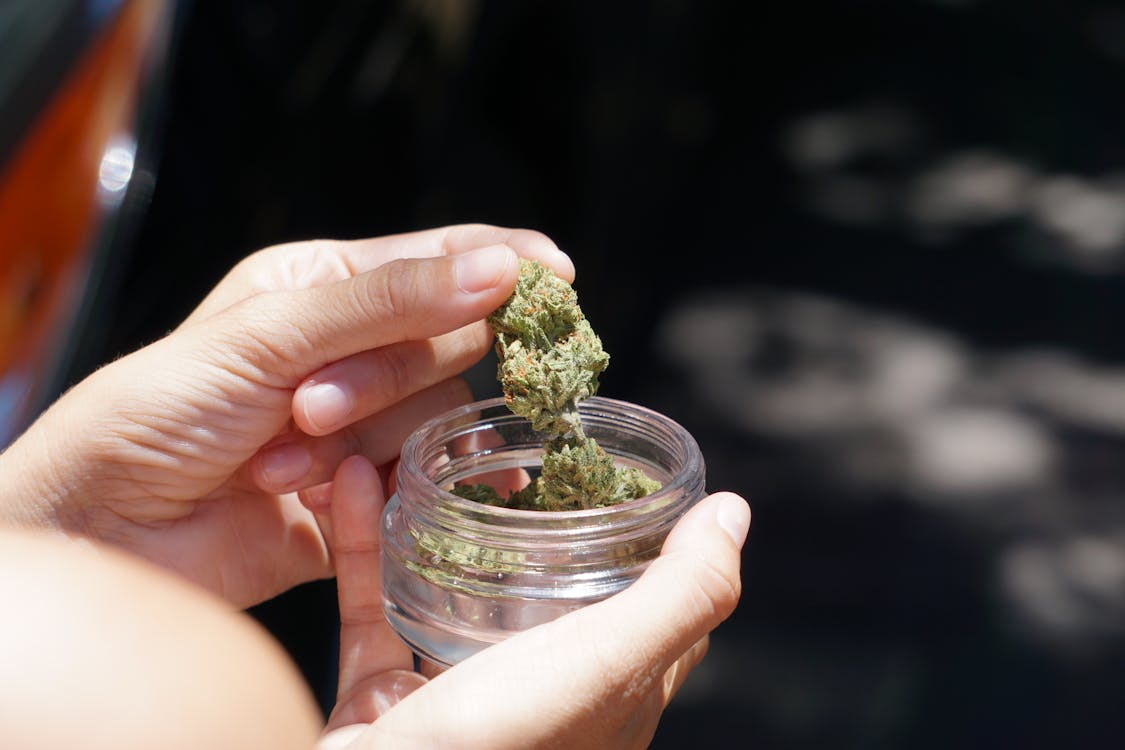
Photo by Elsa Olofsson
Tracking Patient Progress Over Time
Measure baseline symptoms before starting therapy. Document pain levels, sleep quality, and daily function using standard scales. These numbers give you something to compare against later. Book that first follow-up within 2 to 4 weeks.
Common side effects include dizziness and dry mouth. These usually fade as tolerance builds. Cognitive shifts happen sometimes too. Persistent or severe reactions mean you need to drop the dose or stop treatment. Test cognitive function to spot subtle changes patients might miss.
Document everything at each visit. Write down the specific product, dose, and frequency. Note how patients respond and any changes you make. Solid records protect both of you. They show your reasoning if prescribing decisions get questioned later.
Guidelines from Health Canada provide frameworks for medical cannabis programs. These resources help clinicians stay current with changing regulations. Professional development in cannabinoid medicine keeps practitioners sharp in this expanding field.
Structured protocols protect patient safety while preserving access to beneficial therapies. These practices help doctors navigate traditional medicine and emerging cannabinoid treatments with real confidence.


