

According to the American Dental Association’s 2023 national health data, children who receive regular dental care from infancy are 40% less likely to require emergency dental treatment by age 12 — yet nearly one in four families still delays routine dental visits until a problem develops. As dental practices nationwide shift toward prevention-focused care models and insurance coverage expands to emphasize early intervention, the gap between families who prioritize regular checkups and those who treat dental care reactively continues to widen.
For Lincoln families navigating healthcare decisions in an increasingly complex system, understanding how consistent dental care impacts long-term health outcomes has real financial and wellness implications. The investment in routine visits today determines not just the health of teeth and gums, but also influences overall family wellness, educational outcomes for children, and healthcare costs down the road. Regular dental care creates a foundation that supports everything from proper nutrition to confident social development — benefits that extend far beyond what happens in the dentist’s chair.
Why Regular Visits to the Family Dentist Matter Now
The landscape of family dental care has evolved significantly over the past decade, with mounting evidence showing that oral health directly impacts cardiovascular health, diabetes management, and even pregnancy outcomes. What once seemed like separate health concerns are now understood as interconnected systems, making regular dental checkups a cornerstone of comprehensive family healthcare.
Early detection represents perhaps the most significant advantage of consistent dental visits. Cavities, gum disease, and alignment issues develop gradually, often without obvious symptoms until they’ve progressed considerably. A dentist can identify the early stages of tooth decay when it appears as barely visible white spots on enamel — a point when the process can often be reversed through fluoride treatments and improved oral hygiene. By the time families notice pain or visible damage, treatment typically becomes more complex, expensive, and uncomfortable.
Consider a typical scenario: a busy parent notices their eight-year-old mentioning occasional tooth sensitivity but assumes it’s related to cold weather or recent tooth loss. During a routine checkup, the dentist discovers early decay between two molars — an area impossible to see during home brushing. With immediate intervention through a small filling, the problem resolves quickly. Without that regular visit, the decay would likely progress to the tooth’s nerve, requiring a more extensive procedure and potentially affecting the child’s eating, sleeping, and school performance.
The preventive care provided during routine visits extends beyond problem detection. Professional cleanings remove plaque and tartar buildup that even meticulous home care cannot address, particularly in hard-to-reach areas between teeth and along the gum line. These cleanings also provide an opportunity for dental professionals to assess and reinforce home care techniques, ensuring that daily brushing and flossing routines remain effective as children grow and their mouths change.
Regular visits also establish essential healthcare habits early in life. Children who grow up with routine dental care develop comfort with medical environments and learn to view healthcare as a normal part of life rather than something to fear or avoid.
How Family Dental Care Differs by Age
Understanding that dental needs evolve dramatically throughout life helps families make informed decisions about care timing and approaches. What works for a toddler’s emerging teeth requires completely different strategies than maintaining an adult’s established oral health or addressing the unique challenges faced by teenagers with braces.
Infant and toddler dental care focuses primarily on establishing healthy foundations and preventing early childhood caries. The American Academy of Pediatric Dentistry recommends that children visit a dentist by their first birthday or within six months of their first tooth appearing. During these early visits, dental professionals assess jaw development, tooth emergence patterns, and provide crucial guidance about feeding practices, pacifier use, and early cleaning techniques. Parents often don’t realize that putting a baby to bed with a bottle containing anything other than water can lead to severe tooth decay, even in baby teeth that will eventually fall out.
As children enter school age, dental care shifts toward protecting permanent teeth while managing the transition from baby teeth. Those first permanent molars that appear around age six are particularly vulnerable because they emerge behind existing baby teeth, leading many families to mistakenly assume they’re temporary. These teeth have deep grooves and fissures that make them difficult to clean thoroughly, creating ideal conditions for decay. This stage represents the optimal time for preventive treatments like family dentistry services that include sealants and fluoride applications specifically designed for newly emerged permanent teeth.
Adolescence brings unique challenges as hormonal changes affect gum health and orthodontic treatment becomes common. Teenagers with braces face significantly increased risks of tooth decay and gum disease due to the difficulty of cleaning around brackets and wires. Regular dental visits during this period focus heavily on education about modified cleaning techniques and monitoring for early signs of decalcification or gum inflammation.
Adult dental care emphasizes maintenance and prevention of age-related issues like gum recession, teeth grinding, and the cumulative effects of dietary choices over time. Adults also face increased risks related to stress, medications that affect saliva production, and lifestyle factors like coffee consumption or tobacco use. Pregnancy presents additional considerations, as hormonal changes can exacerbate gum problems and untreated dental infections may impact fetal development.
Senior family members require specialized attention for issues like dry mouth from medications, increased cavity risk due to gum recession exposing tooth roots, and the maintenance of existing dental work like crowns or bridges. Regular visits help detect and address these age-related changes before they become serious problems.
Key Preventive Strategies for Family Dental Health
Effective family dental care relies on a combination of professional treatments and daily habits that work together to prevent problems before they develop. The most successful families integrate these strategies into their routines early and adapt them as children grow and circumstances change.
How Fluoride and Sealants Protect Family Teeth
Fluoride represents one of the most well-researched and effective tools in preventing tooth decay across all age groups. When applied topically through toothpaste, mouth rinses, or professional treatments, fluoride helps remineralize early stages of tooth decay and strengthens enamel against acid attacks from bacteria. The CDC identifies community water fluoridation as one of the ten great public health achievements of the 20th century, but families in areas without fluoridated water or those seeking additional protection benefit significantly from professional fluoride treatments during dental visits.
Professional fluoride applications deliver higher concentrations than over-the-counter products and can be particularly beneficial for children during periods of high cavity risk, adults taking medications that reduce saliva production, or anyone with a history of frequent cavities. These treatments take only minutes during routine visits but provide months of enhanced protection.
Dental sealants offer another highly effective preventive option, particularly for children and teenagers. These thin, plastic coatings bond to the chewing surfaces of back teeth, creating a smooth barrier that prevents bacteria and food particles from settling into the deep grooves and fissures where cavities commonly develop. Research shows that sealants reduce cavity risk by up to 80% in the first two years after application and continue providing significant protection for several years.
The application process is simple and painless, involving cleaning the tooth surface, applying a special gel that helps the sealant bond, and then painting on the sealant material that hardens quickly under a special light. While sealants are most commonly applied to children’s permanent molars, adults with deep grooves in their teeth can also benefit from this protection.
Impact of Diet and Hygiene on Family Oral Care
Daily dietary choices profoundly influence oral health outcomes, often in ways families don’t immediately recognize. Beyond the obvious culprits like candy and soda, many seemingly healthy foods create conditions that promote tooth decay. Frequent snacking, even on nutritious foods, bathes teeth in acids throughout the day, while sticky foods like dried fruits or granola bars cling to tooth surfaces longer than liquid sugars.
The timing and frequency of eating matters as much as the specific foods consumed. Saliva naturally neutralizes acids and begins repairing early damage to tooth enamel, but this process requires time between acid exposures. Families who graze throughout the day or sip sugary drinks slowly over extended periods create constant acid attacks that overwhelm the mouth’s natural defenses.
Water consumption plays a crucial but often underappreciated role in oral health. Beyond its fluoride content in treated areas, water helps wash away food particles, dilutes acids, and stimulates saliva production. Encouraging children to drink water between meals and switching from juice or milk to water at bedtime can significantly reduce cavity risk.
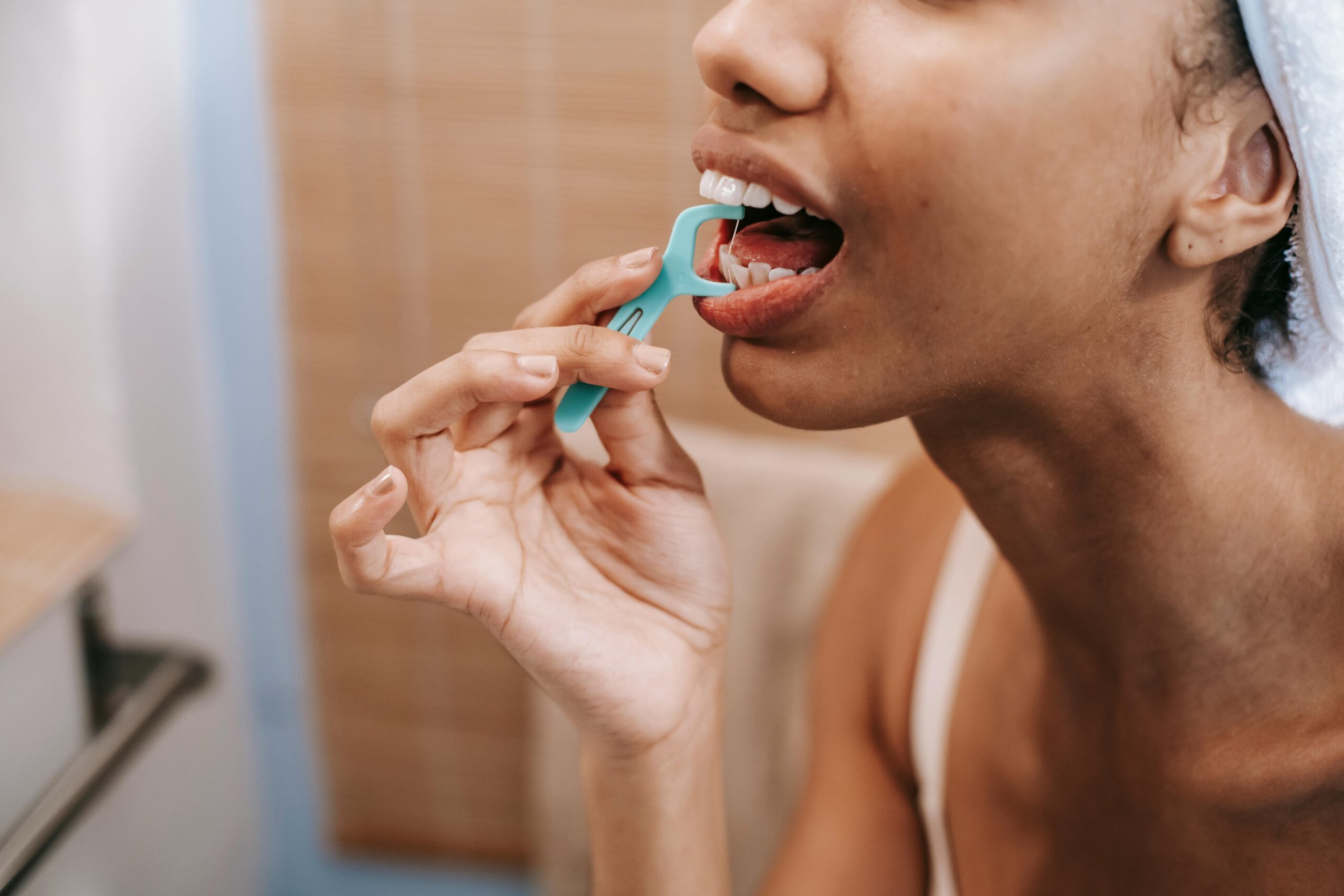
Proper brushing and flossing techniques require regular refinement as children develop motor skills and their mouths change. Young children need parental assistance with brushing until they can tie their shoes independently — usually around age six or seven. Even then, supervision remains important to ensure thoroughness and proper technique. Electric toothbrushes can be particularly helpful for children and adults with limited dexterity, providing more consistent plaque removal than manual brushing.
Common Oral Health Issues Families Face and How to Manage Them
Despite best efforts at prevention, most families encounter dental challenges that require prompt recognition and appropriate response. Understanding these common issues helps parents distinguish between situations requiring immediate professional attention and those that can be managed temporarily at home while arranging dental care.
Tooth decay remains the most prevalent chronic childhood disease, affecting children from all socioeconomic backgrounds. Early signs include white or brown spots on teeth, sensitivity to sweet or cold foods, and complaints of toothaches that may come and go. The intermittent nature of early decay pain often leads families to delay treatment, but this pain pattern typically indicates that decay has reached the tooth’s nerve, requiring more extensive treatment than would have been necessary with earlier intervention.
Dental emergencies, while frightening, can often be managed effectively with proper immediate response. Knocked-out permanent teeth have the best chance of successful reimplantation when families act quickly — gently rinsing the tooth without scrubbing the root, keeping it moist in milk or the person’s own saliva, and seeking dental care within 30 minutes. Severe toothaches may respond temporarily to over-the-counter pain relievers and cold compresses, but persistent pain indicates the need for urgent professional evaluation.
Gum disease affects families more commonly than many realize, often beginning with subtle symptoms like bleeding during brushing or persistent bad breath. Gingivitis, the earliest stage of gum disease, is reversible with improved oral hygiene and professional cleaning, but it progresses to more serious periodontitis if left untreated. Families with a history of gum disease need more frequent professional cleanings and monitoring, as genetic factors significantly influence susceptibility to these conditions.
Teeth grinding, or bruxism, affects both children and adults and can cause significant damage over time. Parents may notice grinding sounds during sleep or children complaining of jaw soreness upon waking. While stress management techniques help address underlying causes, dental professionals can provide protective mouthguards that prevent tooth damage during episodes of grinding.
Orthodontic issues vary widely in their urgency and complexity. While crowded or crooked teeth may seem primarily cosmetic, alignment problems can affect cleaning ability, jaw function, and even speech development. Early evaluation around age seven allows orthodontists to identify problems that benefit from early intervention, though many issues can be addressed successfully during the teenage years.
The Role of Dental Professionals in Supporting Family Health
Modern family dentistry extends far beyond treating existing problems to encompass comprehensive education, prevention, and coordination with other healthcare providers. Dental professionals serve as partners in family health, providing expertise that enables families to make informed decisions about treatments, prevention strategies, and long-term oral health goals.
The collaborative relationship between dental professionals and families involves ongoing communication about changing needs, risk factors, and treatment options. During regular visits, dental teams assess not just the current state of teeth and gums, but also evaluate factors like diet, medications, stress levels, and life changes that might affect oral health. This comprehensive approach allows for personalized recommendations that fit each family’s unique circumstances and challenges.
Advances in dental technology have enhanced both diagnostic capabilities and treatment comfort, making dental care more effective and accessible for family members of all ages. Digital X-rays provide detailed images with significantly less radiation exposure, while intraoral cameras allow patients to see exactly what dental professionals observe, facilitating better understanding of recommended treatments. These technologies also enable more conservative treatment approaches, preserving healthy tooth structure while addressing problems effectively.
Education remains a central component of quality family dental care. Rather than simply providing instructions, effective dental professionals help families understand the reasoning behind recommendations, empowering them to make sustainable changes to their daily routines. This educational partnership becomes particularly valuable as children grow and take increasing responsibility for their own oral health, creating the foundation for lifelong healthy habits.
The integration of oral health with overall wellness continues to drive innovations in family dental care. As research reveals new connections between oral health and systemic conditions, dental professionals increasingly coordinate with physicians, providing comprehensive care that addresses the whole family’s health needs. This collaborative approach ensures that oral health receives appropriate priority in family healthcare decisions and that treatment plans consider all aspects of wellbeing.
The investment families make in regular dental care today creates a foundation that supports not just healthy smiles, but overall wellness and quality of life for years to come. As dental science continues to advance and our understanding of oral health’s broader impacts deepens, the families who prioritize consistent, preventive care position themselves to benefit from these developments while avoiding the complications that arise from delayed or reactive treatment approaches.


