

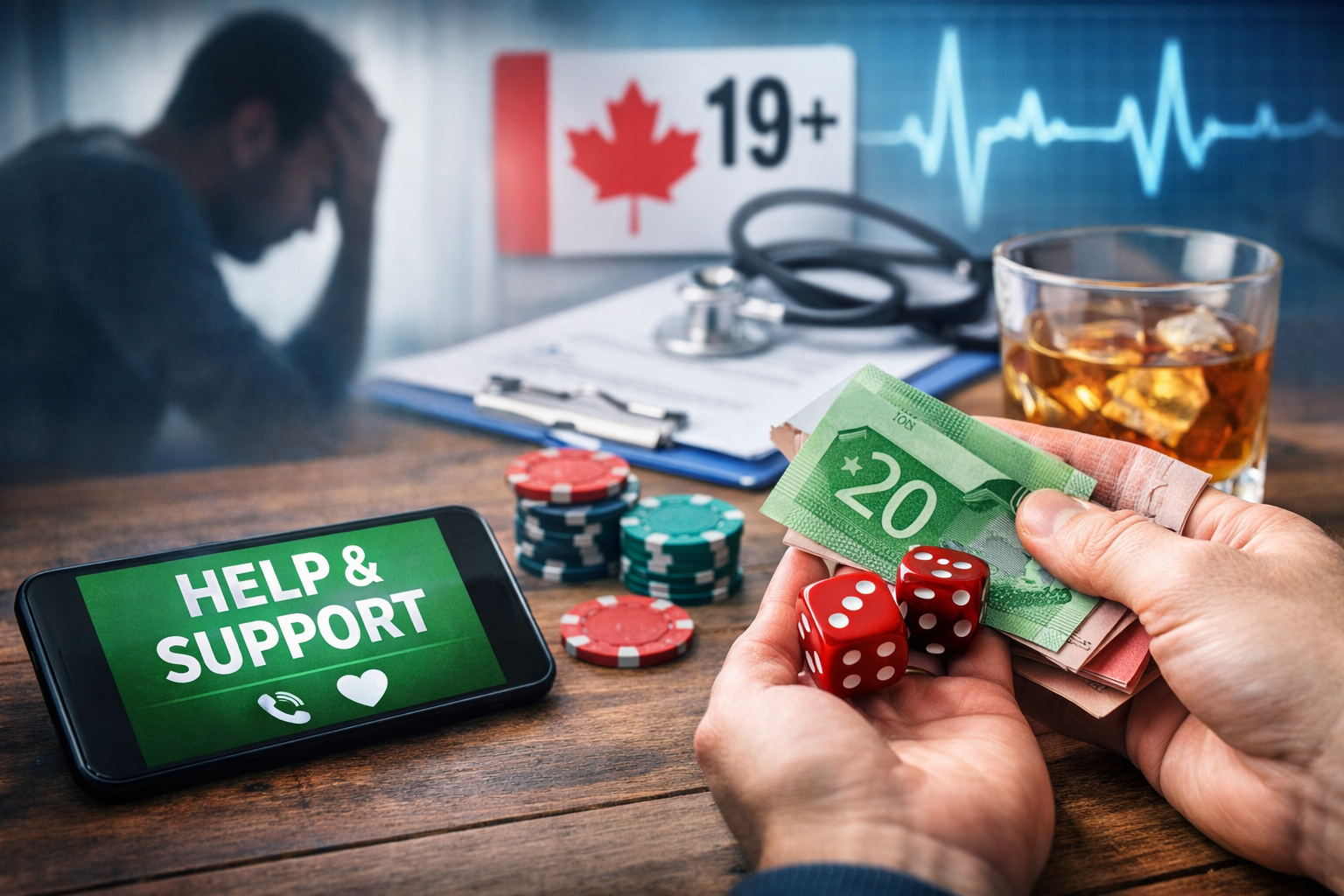
For many people, gambling looks like a financial choice on the surface. However, its effects may also appear in sleep, mood, attention, and life at home. Since gambling in Canada is regulated by provinces and territories, age limits and support tools vary across the country. That is why responsible gambling should be viewed through a behavioural health lens as well.
Why Responsible Gambling Deserves Attention in Canadian Behavioural Health
Behavioural health includes habits that affect mental, social, and financial stability. Gambling deserves attention because harm may appear before anyone notices a major crisis. CAMH notes that problem gambling has behavioural, emotional, financial, and health signs, even when no physical signs appear.
That makes early attention important in both households and care settings. In practice, the first signs may look ordinary. Someone may think about gambling during work, hide account activity, or keep playing after a loss.
This matters because repeated loss of control can affect work, debt, and relationships long before treatment begins. A clear public resource like Canadian safer gambling guidance gives readers practical warning signs and next steps. It also helps explain how to respond before the problem becomes harder to manage.
Common Behavioural Warning Signs
The early pattern is often gradual rather than dramatic. For example, a person may plan one $25 session, then add two more deposits that night. Another person may stop answering messages because they are trying to recover losses. Over several weeks, that pattern can start shaping daily routines.
These signs matter more when they repeat. One late session does not always point to harm. Still, weekly sleep loss, repeated secrecy, or skipped bills should not be dismissed. Small changes often become larger problems when money, stress and shame build together.
How Bonus Offers Can Affect Decision-Making and Risk Perception
The way value is understood can shift when bonus offers appear. A 100 percent match seems easy to read, but the final cost may depend on rollover rules, time limits, and game restrictions. That is important because people under pressure often focus first on the main number. Because of this, casino bonuses can extend play beyond the original plan.
Checking the terms before making a deposit can lower that risk. Some readers use CasinosAnalyzer to compare conditions and spot limits that are easy to overlook. If you want to open the bonus overview, review the wagering rules, expiry period, and deposit conditions first. Even a five-minute check can prevent an expensive mistake later.
Why Small Print Matters in Bonus Terms
Small print can shape both time and spending. For example, a player may need to wager bonus-linked funds many times before any withdrawal. That requirement can lead to extra sessions, higher losses, and more frustration. The larger the target, the more discipline a person needs.
This is especially relevant for people already dealing with stress. Under pressure, many readers skim restrictions and focus on the offer headline. However, the hidden details often decide the real value of the offer. Online casino promotions should never replace a fixed budget or a stop time.
Early Behavioural Signs That Gambling May Be Becoming Harmful
Problem gambling rarely begins with one dramatic event. More often, it builds through repeated decisions that look minor on their own. A person may tell themselves one extra deposit will solve the problem. Then the same thought returns the next day.
The following signs can make early change easier to notice. They can also help family members speak about concerns without blame. Early action is often more manageable than repair after debt, conflict, or missed payments become more serious. CAMH and the Responsible Gambling Council both point readers toward early support and self-check tools:
- Spending more money than planned during one week.
- Returning quickly after losses to try to recover money.
- Feeling irritable, guilty, or restless after gambling.
- Hiding app use, statements, or transfers from family.
- Losing sleep or concentration because gambling stays on the mind.
Not all of these signs need to happen together. Even two patterns that repeat over one month can justify a pause and careful review. When bills are delayed, credit use begins to rise, or secrecy becomes normal, the risk is already going beyond casual play. This is often the point where support becomes especially important.
When Recreational Activity Turns Into a Pattern of Harm
This isn’t just about how frequently someone gambles. One person may gamble twice a month without incident, whilst another may struggle after a single long session. What matters is loss of control, preoccupation, and continued play despite visible consequences. Those consequences often affect mood, money, and trust first.
An example makes this easier to understand. Suppose a person sets a $50 limit and goes past it three weekends in a row. If they also borrow money or hide transfers, the behaviour is no longer casual. At that stage, the habit is affecting daily life, not just leisure spending.
Practical Harm Reduction Steps for Canadian Adults
Risk reduction works best when limits are set before play starts. The goal is not perfect behaviour every time. The goal is to reduce fast decisions during stress, fatigue, or frustration. Public safer play tools in Canada use this same logic.
A few habits can make those limits more useful:
- Set a weekly cap after rent, food, transport, and bills.
- Set a session timer, such as 30 or 60 minutes.
- Avoid gambling after alcohol use, poor sleep, or conflict.
- Keep gambling spending away from essential banking accounts.
- Never use credit or borrowed money to chase losses.
These steps work because they slow the process down. They also create clear stopping points before losses grow. For example, a one-hour timer can interrupt the false belief that one more round will fix everything. A simple pause often changes the next decision.
Where Canadians Can Find Reliable Information and Support
Timely support can change the course of the problem. The Responsible Gambling Council offers Canadians public information, safer play tools, and support options before gambling harm becomes severe. Its public pages also help readers locate local services, helplines, and multilingual resources. Because of that, people across different regions can access help sooner.
In Ontario, PlaySmart centres provide additional guidance through gambling information, advice, and self-exclusion information. CAMH offers treatment services for adults with gambling-related problems and support for loved ones. These services matter once gambling begins to interfere with work, school, self-care, or relationships. There is no reason to wait for complete financial collapse before reaching out.
It takes more than a simple refusal to approach gambling responsibly. It means spotting risk early, setting practical limits, and asking for help before harm becomes more serious. This protects money, time, sleep, and trust better than trying to recover losses through continued play. In health terms, earlier action is usually the safer path.


