

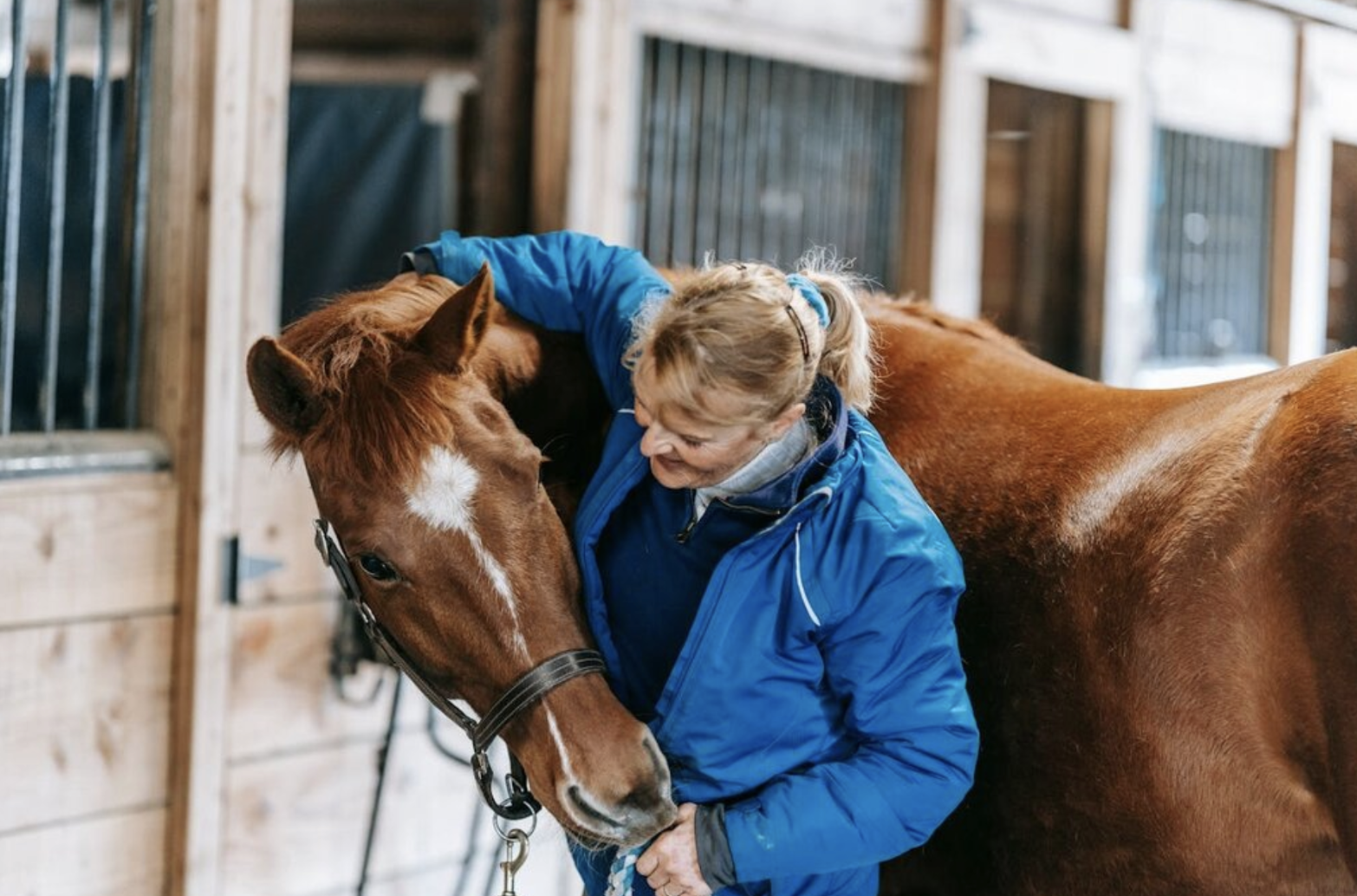
The question of whether equine therapy qualifies as evidence-based treatment for addiction sparks considerable debate among behavioral health professionals. While the research landscape continues to evolve, current evidence suggests equine-assisted therapy shows promise as a complementary intervention rather than a standalone, empirically validated treatment modality. Understanding where this approach fits within the broader spectrum of addiction care requires examining both its theoretical foundations and the research that supports or challenges its use.
In this article, iKnowLedge reviews how equine therapy, formally known as equine-assisted psychotherapy or equine-assisted learning, involves structured interactions between individuals in recovery and horses under the guidance of trained professionals. These programs operate on the premise that horses, as highly perceptive animals, can mirror human emotions and provide immediate, non-judgmental feedback that facilitates emotional awareness and behavioral change.
What Defines Evidence-Based Practice in Addiction Treatment?
Before evaluating equine therapy’s status, we need clarity on what qualifies as evidence-based. The substance abuse treatment field generally recognizes an intervention as evidence-based when it has demonstrated effectiveness through rigorous scientific research, typically including randomized controlled trials, replication across diverse populations, and peer-reviewed publication of results.
The Substance Abuse and Mental Health Services Administration maintains a registry of evidence-based practices that have met these stringent criteria. Traditional interventions like cognitive behavioral therapy, motivational interviewing, and medication-assisted treatment occupy this space because decades of research have validated their effectiveness across multiple studies and treatment settings.
The Current Research Landscape for Equine-Assisted Interventions
Equine therapy research faces methodological challenges common to many experiential therapies. The existing body of literature includes primarily small-scale studies, case reports, and qualitative analyses rather than the large randomized controlled trials that establish gold-standard evidence. Several studies have documented positive outcomes, including improved self-efficacy, reduced anxiety and depression symptoms, and enhanced emotional regulation among participants.
A systematic review of equine-assisted interventions for mental health found modest but encouraging results, particularly for conditions that frequently co-occur with substance use disorders. Participants consistently report meaningful therapeutic experiences and perceived benefits that extend beyond what they experienced in traditional office-based therapy settings.
How Equine Therapy Addresses Core Addiction Recovery Challenges
The mechanisms through which equine therapy may support recovery align with established principles of addiction treatment. Horses respond authentically to human emotional states, creating opportunities for individuals to recognize incongruence between their internal experience and external presentation. This immediate feedback can accelerate insight development in ways that traditional talk therapy sometimes cannot.
Many people struggling with addiction have experienced trauma, developed maladaptive coping patterns, and lost connection with their emotional lives. Working with horses requires present-moment awareness, emotional regulation, and authentic communication. These skills translate directly to recovery-critical competencies like managing triggers, building healthy relationships, and developing distress tolerance.
Integration Within Comprehensive Treatment Programs
Most reputable treatment centers that incorporate equine therapy do so as one component of a multi-faceted treatment approach rather than as a primary intervention. Residential programs featuring equine therapy typically combine this experiential modality with evidence-based treatments like individual counseling, group therapy, and medication management when appropriate.
This integrative model reflects current best practices in addiction treatment, which recognize that different individuals respond to different therapeutic approaches. The treatment field increasingly embraces personalized care that matches interventions to individual needs, preferences, and learning styles rather than applying a one-size-fits-all model.
Distinguishing Between Complementary and Alternative Treatment
An important distinction exists between complementary and alternative medicine. Alternative treatments replace conventional care, while complementary approaches enhance it. Equine therapy functions most appropriately as a complementary intervention that enriches evidence-based treatment rather than substituting for it.
This distinction matters significantly when individuals and families make treatment decisions. Seeking a program that offers equine therapy alongside proven interventions differs substantially from choosing one that relies primarily on experiential approaches without robust clinical support.
What the Clinical Community Says About Equine-Assisted Therapy
Professional opinions on equine therapy vary across the behavioral health field. Some clinicians enthusiastically embrace these programs, citing clinical observations of breakthrough moments and engagement from clients who previously resisted traditional therapy. Others maintain appropriate skepticism given the limited empirical support, advocating for more rigorous research before widespread adoption.
Several professional organizations have issued position statements acknowledging both the potential benefits and the need for additional research. The consensus generally supports inclusion of equine therapy within comprehensive programs while emphasizing that it should not replace evidence-based interventions with stronger research foundations.
The Role of Client Engagement and Therapeutic Alliance
One often overlooked aspect of equine therapy’s value concerns client engagement. Addiction treatment outcomes correlate strongly with therapeutic alliance and client motivation. For individuals who feel alienated by traditional clinical settings or who have repeatedly failed in conventional treatment, experiential approaches like equine therapy may provide the engagement hook that facilitates recovery.
This practical consideration holds significance even in the absence of robust empirical evidence specifically for equine interventions. If an experiential component increases treatment retention and engagement with evidence-based interventions, it may contribute meaningfully to outcomes even if its direct therapeutic effects remain under-researched.
Geographic and Practical Considerations for Access
Not every treatment facility can offer equine therapy due to space, resource, and expertise requirements. Programs like Ingrained Recovery in Georgia have developed specialized infrastructure and staff training to integrate equine work into their treatment model, but this represents a significant investment not feasible for all providers.
Individuals considering treatment should weigh the availability of experiential therapies against other critical factors like evidence-based treatment offerings, staff credentials, program accreditation, and insurance acceptance. Geographic location may limit options, making it essential to prioritize core treatment components over specific experiential modalities.
What Questions Should You Ask Treatment Programs?
When evaluating programs that include equine therapy, prospective clients and families should ask specific questions. How extensively trained are the facilitators in both equine work and addiction treatment? What proportion of the treatment schedule involves equine activities versus evidence-based interventions? How does the program measure outcomes and track client progress?
Additionally, understanding how equine work integrates with individual therapy matters significantly. The most effective programs create continuity between experiential activities and traditional therapy sessions, helping clients process insights and translate them into practical recovery skills.
The Future of Research and Practice
The equine therapy field continues evolving, with researchers working to address methodological limitations and build a stronger evidence base. Ongoing studies are examining specific populations, standardizing protocols, and identifying which clients benefit most from these interventions. This research trajectory mirrors the development of many now-established treatments that initially lacked robust empirical support.
As the field matures, we may see equine therapy gain recognition as evidence-based for specific applications or populations. Until then, it occupies a valuable but appropriately circumscribed role as a promising complementary intervention that enhances engagement and addresses therapeutic targets in unique ways.
Choosing The Right Treatment Program for Your Recovery
The question of whether equine therapy qualifies as evidence-based does not yield a simple yes or no answer. By the strictest definition requiring extensive randomized controlled trials and replication, it does not currently meet that standard. However, dismissing it entirely overlooks the growing research base, consistent positive client reports, and theoretical alignment with established therapeutic principles.
Individuals seeking addiction treatment should prioritize programs offering proven interventions while remaining open to complementary approaches that may enhance engagement and address individual needs. The ideal program combines evidence-based core treatments with thoughtfully integrated experiential components that support the overall therapeutic process.
Understanding these nuances helps consumers make informed choices that balance innovation with proven effectiveness, ultimately supporting sustained recovery and long-term wellness.


