

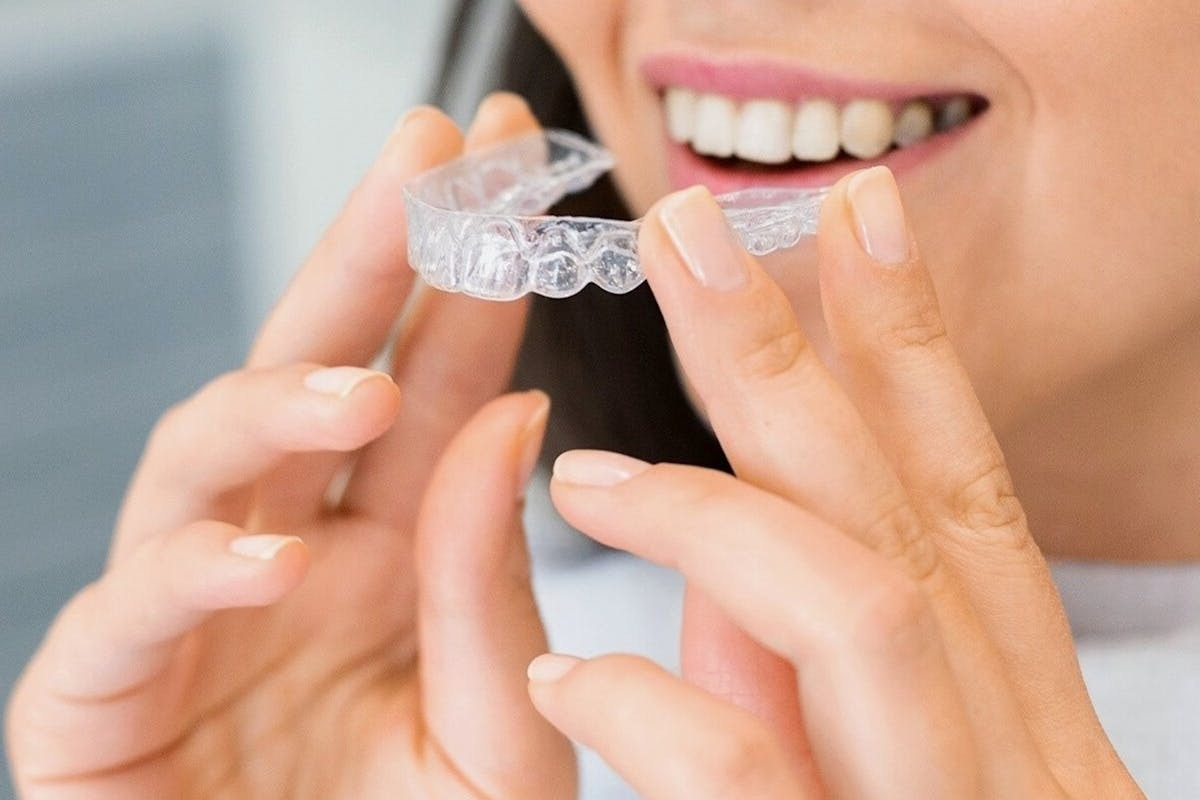
According to the American Association of Orthodontists’ 2024 patient survey, clear aligner treatments now account for nearly 40% of all adult orthodontic cases — a dramatic shift from just 15% a decade ago. This surge reflects more than just aesthetic preferences; it signals a fundamental change in how orthodontic care integrates with modern lifestyles and professional demands.
The transformation extends beyond patient choice. Digital treatment planning, improved aligner materials, and refined biomechanical understanding have expanded what’s possible with removable orthodontic therapy. For adults balancing career visibility concerns with oral health needs, and for teenagers navigating social pressures alongside dental development, these advances create new pathways to straight teeth that simply didn’t exist in previous generations.
Understanding whether clear aligners align with your specific situation requires looking beyond marketing promises to examine the actual mechanics, comparative advantages, and practical realities of treatment. The decision involves weighing clinical effectiveness against lifestyle compatibility, long-term oral health benefits against immediate convenience factors.
How Do Clear Aligners Work and Improve Jaw Function?
Clear aligners function through controlled biomechanical forces that gradually reposition teeth within the alveolar bone. Each aligner in a series creates precise pressure points against specific teeth, applying gentle but consistent force that triggers cellular activity in the periodontal ligament. This biological response allows teeth to move incrementally — typically 0.25 to 0.33 millimeters per aligner stage — as bone remodels around the shifting root structure.
The jaw function benefits extend beyond simple tooth straightening. When aligners correct malocclusions, they often improve bite alignment, which reduces excessive wear patterns on tooth surfaces and can alleviate strain on temporomandibular joints. Consider someone with mild crowding whose upper canines don’t properly guide their jaw during lateral movements. As aligners create space and reposition these guide teeth, the entire chewing mechanism becomes more efficient and balanced.
Digital treatment planning enhances this process significantly. Three-dimensional scanning captures precise tooth positions, allowing orthodontists to map the entire movement sequence before treatment begins. This predictive capability means practitioners can address not just cosmetic concerns but also functional improvements — ensuring that the final bite relationship supports long-term oral health rather than simply creating straight-looking teeth.
The incremental nature of aligner therapy also allows for mid-course corrections that aren’t possible with fixed appliances. If bite relationships don’t develop as projected, new aligners can be fabricated to refine the treatment path without removing brackets or rewiring systems.
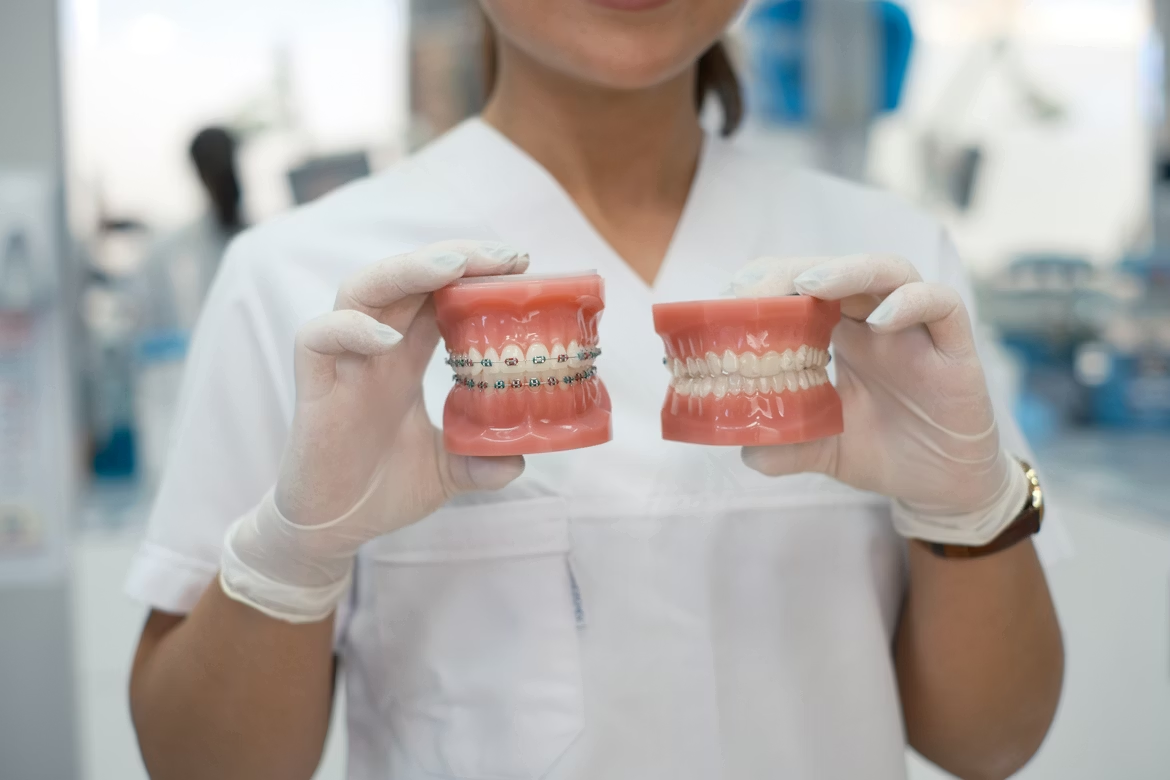
What Are the Comparative Benefits of Clear Aligners Versus Traditional Braces?
The fundamental difference lies in how each system delivers orthodontic force and how patients interact with their treatment. While both achieve similar clinical outcomes for many conditions, the daily experience and practical implications diverge significantly across several key areas.
How Do Clear Aligners Enhance Comfort and Oral Hygiene?
Traditional braces create multiple contact points where metal brackets and wires can irritate oral tissues, particularly during the first weeks of treatment and after adjustments. Clear aligners eliminate these sharp edges, creating a smooth interface with teeth and gums. Patients typically experience initial pressure when switching to new aligners, but this discomfort generally resolves within 24-48 hours rather than persisting throughout treatment phases.
The oral hygiene advantage becomes more pronounced over time. Brackets and wires create numerous areas where food particles and plaque accumulate, requiring specialized cleaning tools and techniques that many patients struggle to master. Removing aligners completely opens access to all tooth surfaces for normal brushing and flossing routines. Research from the American Journal of Orthodontics shows that aligner patients maintain better periodontal health markers throughout treatment compared to those with fixed appliances.
Emergency visits also decrease substantially. Broken brackets, loose bands, or protruding wires that require immediate attention rarely occur with aligner therapy. When problems arise, they’re typically related to fit issues that can often wait until the next scheduled appointment or be addressed with simple adjustments.
How Do Clear Aligners Fit Lifestyle Needs and Treatment Flexibility?
Removability transforms how orthodontic treatment integrates with daily activities. Adults can remove aligners for important presentations, social events, or professional photography without compromising treatment progress, provided they maintain the recommended 20-22 hours of daily wear. This flexibility proves particularly valuable for individuals in client-facing roles where appearance affects professional credibility.
Dietary restrictions virtually disappear with aligners. While braces require avoiding sticky, hard, or chewy foods that can damage appliances, aligner wearers simply remove their trays to eat normally. This freedom eliminates the nutritional compromises and social awkwardness that often accompany traditional orthodontic treatment, particularly for teenagers who may already feel self-conscious about their appearance.
Treatment monitoring also adapts to modern schedules. Many clear aligners invisalign systems incorporate remote monitoring technology, allowing orthodontists to track progress between appointments and reducing the frequency of in-office visits. Patients photograph their teeth regularly using smartphone apps, enabling practitioners to identify issues early and adjust treatment plans without requiring additional office time.
What Key Considerations Affect Different Patient Groups?
Age-related factors significantly influence how clear aligner benefits manifest in real-world treatment scenarios. Teenagers and adults face distinct challenges and advantages that affect both treatment outcomes and daily compliance patterns.
Teenagers often struggle with the responsibility of removable appliances, yet they also gain the most from aligner discretion during crucial social development years. The key lies in understanding that adolescent compliance patterns differ markedly from adult behavior. Teenagers may forget to reinsert aligners after meals or lose them during school activities, but they’re also highly motivated by the aesthetic advantages over traditional braces. Successful teen treatment typically requires more frequent check-ins and family involvement in monitoring wear time.
Adult patients generally demonstrate superior compliance but face different obstacles. Professional responsibilities, social commitments, and established lifestyle patterns can create unexpected barriers to consistent wear. However, adults also possess better long-term perspective on the investment required and typically maintain more disciplined treatment routines once established.
Clinical indications also vary by age group. Adults often present with more complex bite issues developed over decades, while teenagers may have simpler alignment problems that respond more predictably to aligner forces. Adult bone density differences mean tooth movement occurs more slowly, potentially extending treatment timelines compared to adolescent cases.
Certain malocclusions respond better to aligner therapy regardless of age. Mild to moderate crowding, spacing issues, and minor bite irregularities typically achieve excellent results with clear aligners. However, severe rotations, significant vertical discrepancies, or complex jaw relationship problems may require traditional braces or surgical intervention to achieve optimal outcomes.
What Practical Strategies Improve Clear Aligner Treatment Success?
The gap between theoretical treatment plans and actual clinical outcomes often comes down to patient behavior and maintenance practices. Understanding these practical elements can dramatically influence both treatment efficiency and final results.
Why Is Patient Compliance Critical in Aligner Therapy?
The 20-22 hour daily wear requirement isn’t arbitrary — it reflects the minimum time needed to maintain consistent orthodontic force on teeth. Dropping below 18 hours daily can stall progress or allow unwanted tooth movement, extending treatment timelines and potentially compromising final results. Unlike braces, which work continuously, aligners only function when worn.
Compliance challenges often emerge during the adaptation period when patients adjust to speaking, eating, and sleeping with aligners. The initial lisp typically resolves within a few days as tongue placement adapts, but some patients remove aligners during phone calls or presentations before fully adjusting. Successful patients typically power through this brief discomfort period rather than creating exceptions that become habits.
Tracking systems help maintain accountability. Some patients use smartphone apps to log wear time, while others rely on aligner timers or simple daily checklists. The key is establishing routines that make compliance automatic rather than requiring constant decision-making throughout the day.
What Are Best Practices for Maintaining Clear Aligners?
Proper cleaning extends beyond basic hygiene — it directly affects treatment effectiveness and oral health. Aligners that accumulate bacteria or plaque can create acidic environments against teeth, potentially causing white spot lesions or cavities during treatment. Daily cleaning with lukewarm water and gentle dish soap removes most buildup without damaging the plastic material.
Storage habits matter more than most patients realize. Leaving aligners exposed to air causes rapid bacterial growth and warping, while wrapping them in tissues leads to accidental disposal. Dedicated aligner cases should accompany every meal and snack, becoming as automatic as carrying keys or phones.
Temperature awareness prevents costly replacements. Hot beverages, dishwashers, or car dashboards can warp aligners beyond repair, requiring replacement sets that delay progress. Even warm foods can soften aligner material temporarily, reducing force effectiveness until the plastic cools and regains its shape.
What Does Research and Expert Perspectives Say About Clear Aligner Effectiveness?
Clinical studies consistently demonstrate that clear aligners achieve comparable results to traditional braces for appropriate cases, though the definition of “appropriate” continues to evolve as technology advances. A comprehensive review in the American Journal of Orthodontics and Dentofacial Orthopedics found that aligner therapy effectively addresses mild to moderate malocclusions with predictable outcomes when proper case selection occurs.
The evidence reveals important nuances in treatment capability. Simple tooth movements like tipping and translation respond excellently to aligner forces, while complex movements like root torquing or intrusion require more sophisticated aligner designs and longer treatment times. Recent material improvements and attachment strategies have expanded the range of treatable conditions, but severe skeletal discrepancies still often require traditional approaches.
Expert consensus emphasizes that success depends heavily on practitioner experience and patient selection. Orthodontists who understand aligner biomechanics achieve better outcomes than those who simply follow manufacturer protocols. This expertise gap explains why some patients experience excellent results while others with seemingly similar conditions struggle with prolonged treatment or suboptimal outcomes.
Long-term stability data shows that clear aligner results maintain as well as traditional orthodontic outcomes when proper retention protocols follow active treatment. The key lies in recognizing that regardless of treatment method, teeth have a lifelong tendency to shift without retention support.
Rather than viewing clear aligners as universally superior or inferior to traditional braces, the evidence supports a more nuanced perspective: they represent an additional tool in the orthodontic toolkit, particularly valuable for patients whose lifestyle, aesthetic, or comfort priorities align with the unique characteristics of removable appliance therapy. The decision ultimately rests on matching individual circumstances with the most appropriate treatment modality for achieving both clinical success and patient satisfaction.


