

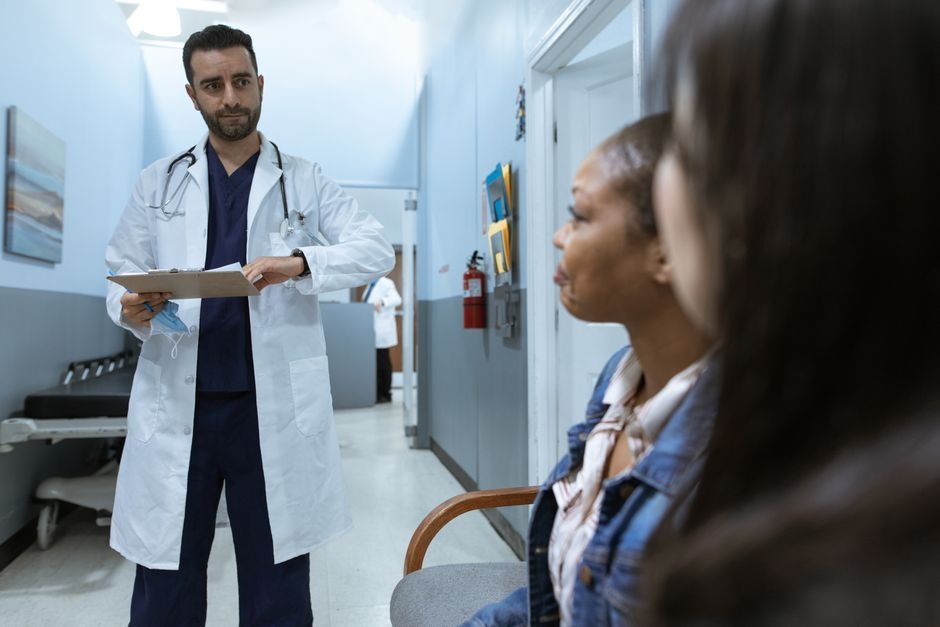
Nursing can lead in remarkably different directions. Two nurses may begin with similar clinical foundations and eventually spend their careers doing completely different work—one treating psychiatric conditions, another caring for children, and another managing patients with complex cardiovascular disease. That variety makes specialization exciting, but it can also make choosing a path difficult. Instead of asking which nursing specialty sounds most impressive, it helps to consider the patients you want to serve, the problems you enjoy solving, the environment where you work best, and how much responsibility you eventually want to assume.
Psychiatric Nursing Combines Mental and Physical Health
Mental health nursing can appeal to nurses who are interested in the connection between emotional, behavioral, social, and physical well-being. At the advanced practice level, psychiatric mental health nurse practitioners assess patients, diagnose mental health and substance use disorders, develop treatment plans, manage medications, and may provide or coordinate psychotherapy.
For registered nurses who discover that this is where they want to deepen their expertise, becoming a PMHNP generally involves graduate-level nursing education, national certification, and state APRN licensure. The path builds on existing nursing experience while preparing professionals for greater responsibility in psychiatric assessment and treatment.
The specialty can lead to work with different age groups and in settings ranging from hospitals and outpatient clinics to schools, long-term care environments, and telehealth.
Pediatric Nursing Centers Care Around Development
Treating children is not simply adult nursing performed on smaller patients. Children change rapidly as they develop, and their communication abilities, medication needs, emotional responses, and health risks can vary considerably by age.
Pediatric nurses learn to recognize those differences while also working closely with parents and caregivers. The family often becomes an important part of assessment, education, treatment, and recovery.
This specialty may suit nurses who communicate well with both children and adults and enjoy adapting their approach to different developmental stages.
There are opportunities to specialize further as experience grows. Nurses may work in pediatric intensive care, oncology, emergency care, primary care, or other areas. Advanced practice education can also lead toward pediatric nurse practitioner roles for nurses seeking additional clinical responsibility.
Critical Care Is Built Around Rapid Clinical Judgment
Some nurses perform best in environments where patient conditions can change quickly and decisions carry immediate consequences. Critical care provides that intensity.
Intensive care nurses commonly work with patients experiencing serious or life-threatening conditions. They may monitor complex equipment, administer medications, recognize subtle physiological changes, and coordinate closely with physicians and other healthcare professionals.
Technical competence is essential, but emotional steadiness matters as well. Patients may be unconscious or unable to communicate, while worried families need clear explanations during frightening circumstances.
Nurses interested in critical care should consider how they respond to pressure. Enjoying fast-paced work is different from being able to maintain concentration when the situation becomes genuinely serious. For nurses who can combine careful observation with calm decision-making, the specialty can provide challenging and meaningful work.
Oncology Nursing Requires Both Clinical and Emotional Endurance
Cancer care can extend across diagnosis, treatment, recovery, long-term monitoring, and sometimes end-of-life care. Oncology nurses therefore may build relationships with patients over substantial periods rather than encountering them only during a brief episode of illness.
Their responsibilities can include administering treatments, monitoring side effects, educating patients, managing symptoms, and coordinating with multidisciplinary healthcare teams.
Communication becomes especially important. Patients and families may be processing complicated information while dealing with uncertainty and fear. Nurses need to explain practical aspects of care without losing sight of the person experiencing them.
This specialty can be emotionally demanding, so nurses should think carefully about their own resilience and support systems. For those drawn to sustained patient relationships, oncology can provide an opportunity to combine sophisticated clinical care with significant human connection.
Emergency Nursing Rewards Adaptability
An emergency department does not provide much control over what arrives next. A nurse may move from treating a relatively minor injury to assisting with a life-threatening emergency within minutes.
That unpredictability makes emergency nursing particularly suited to people who can assess situations quickly, prioritize competing needs, and remain organized while the environment changes around them.
Emergency nurses encounter patients across ages and conditions, which demands broad clinical knowledge. They also frequently care for people without complete medical histories or established diagnoses. Assessment skills become especially important when the team initially has limited information.
Communication must be direct and efficient, but compassion still matters. What feels routine to an experienced emergency nurse may be one of the most frightening days of a patient’s life.
Geriatric Nursing Looks Beyond a Single Diagnosis
As people age, healthcare can become increasingly complicated. An older patient may be managing several chronic conditions, multiple medications, mobility limitations, cognitive changes, and different levels of family or caregiver support.
Geriatric nursing requires seeing how those factors interact.
A treatment that addresses one condition may create difficulties elsewhere, while seemingly minor changes in behavior or function can sometimes signal a larger problem. Nurses working with older adults therefore benefit from strong assessment skills and attention to subtle changes.
The specialty also raises important questions about independence, quality of life, safety, and long-term care preferences.
Geriatric nurses can work in hospitals, clinics, rehabilitation facilities, long-term care communities, home health, and other settings. It can be particularly rewarding for nurses who value continuity and comprehensive care.
Community Health Nursing Moves Care Beyond Hospitals
Not every nursing career centers on a hospital bed. Community and public health nurses focus more broadly on improving health among populations and helping prevent illness before acute treatment becomes necessary.
Their work may involve health education, screenings, vaccination programs, maternal and child health, chronic disease prevention, or services for underserved populations. Depending on the role, nurses may work with schools, government agencies, community organizations, clinics, or home-based programs.
This perspective changes the questions nurses ask. Instead of looking only at a patient’s immediate symptoms, they may consider whether transportation, housing, food access, education, or other conditions are influencing health.
Nurses who enjoy prevention, education, advocacy, and community-level problem-solving may find this approach more satisfying than highly acute clinical environments.
Choose the Specialty That Fits How You Want to Work
Selecting a specialty should involve more than comparing salaries or following whichever nursing field currently receives the most attention. Think about the work itself.
Do you enjoy long-term patient relationships or brief, high-intensity encounters? Are you comfortable making decisions under pressure? Would you rather work with children, older adults, families, or patients experiencing mental health challenges? Do you want to remain primarily at the bedside, move into advanced practice, or eventually pursue leadership, education, or research?
Clinical rotations and work experience can answer these questions better than job descriptions alone. A specialty that sounds appealing in theory may feel very different after experiencing its daily rhythm.
Nursing offers room to evolve, too. Choosing one specialty does not necessarily determine an entire career. Nurses can gain experience, continue their education, earn certifications, and move toward new patient populations or responsibilities as their interests develop.
The strongest specialization is ultimately one that matches both professional strengths and the kind of difference a nurse wants to make. When those two things align, specialization becomes more than career advancement. It becomes a way to shape nursing knowledge around the patients and problems that matter most to you.
