


Photo by Sasun Bughdaryan on Unsplash
Cervical spinal stenosis occurs when the spinal canal in the neck becomes narrower, reducing the space available for the spinal cord and nearby nerve roots. The condition can develop gradually as discs, joints, ligaments, and bones change over time, although some people naturally have less space within the spinal canal.
The presence of cervical stenosis does not automatically mean surgery is necessary. Treatment decisions depend on several factors, including the type and severity of symptoms, whether neurological function is changing, what imaging shows, and how much the condition affects everyday activities. Mild or stable cases may often be managed conservatively, while more significant spinal cord or nerve compression may lead to a discussion about surgical treatment.
When Spinal Cord Compression Becomes More Significant
One of the main factors doctors consider is whether cervical stenosis is affecting the spinal cord. When compression begins interfering with normal spinal cord function, symptoms may extend beyond neck pain or stiffness.
A person may develop numbness or weakness in the arms or hands, problems with coordination, difficulty performing fine hand movements, changes in walking, or problems with balance. These symptoms can suggest cervical myelopathy, which generally requires closer assessment because it involves the spinal cord rather than only local neck discomfort.
Depending on the location and extent of the narrowing, treatment may involve decompression of the affected area and, in certain cases, stabilization of the cervical spine. Procedures such as posterior cervical fusion are among the surgical approaches used in selected cases, and information from Michael Wheeler MD provides an example of how this type of procedure may be used when decompression and stabilization are required.
The choice of treatment still depends on the individual findings rather than the diagnosis alone.
Progressive Neurological Changes May Influence the Decision
Doctors often pay particular attention to symptoms that are becoming progressively worse. Increasing weakness, worsening numbness, reduced hand coordination, or growing difficulty with balance can indicate that pressure on the spinal cord or nerve roots is having a greater neurological effect.
Progression is important because cervical stenosis can behave differently from one person to another. Some people have symptoms that remain relatively unchanged for long periods, while others experience a gradual decline in function.
A neurological examination can help determine whether strength, reflexes, sensation, coordination, or walking have been affected. These findings are typically considered together with imaging and the patient’s description of how symptoms have changed over time.
When clear neurological deterioration is present, surgery may receive greater consideration because the objective is not simply to reduce discomfort. Relieving pressure on the spinal cord or affected nerves may also be intended to preserve neurological function.
When Conservative Treatment Is Usually Considered
Not every person with cervical spinal stenosis requires immediate surgical treatment. When symptoms are mild and there are no significant signs of spinal cord dysfunction, nonsurgical management may be considered.
Treatment can vary depending on the symptoms and may include physical therapy, adjustments to activity, medication, and other measures aimed at reducing discomfort and maintaining mobility. The purpose of conservative care is generally to manage symptoms while monitoring whether the condition remains stable.
How well a person responds to these measures can influence the next step. If pain, stiffness, or nerve-related symptoms remain manageable and daily activities are not significantly restricted, continued conservative treatment may be appropriate.
The situation may be reconsidered when symptoms remain persistent, interfere substantially with normal activities, or continue worsening despite appropriate treatment.
Imaging Is Only One Part of the Assessment
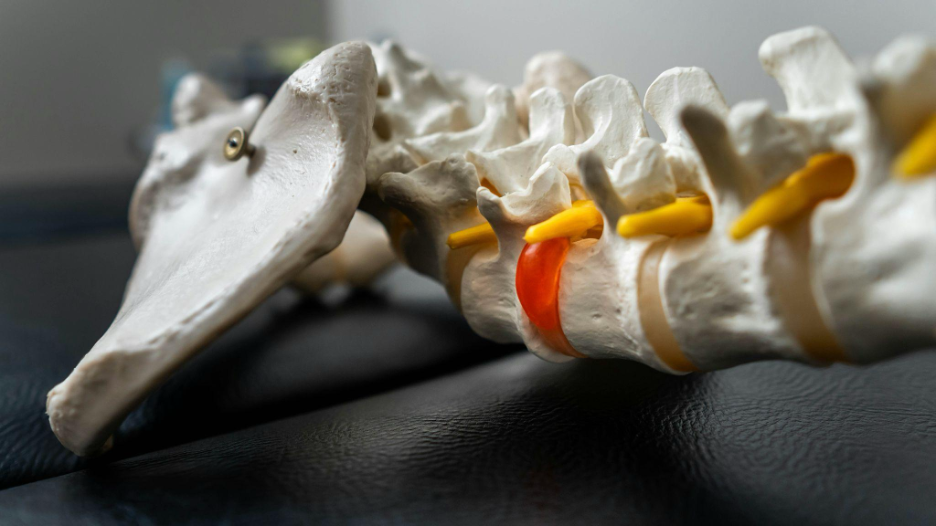
Photo by Julius Toltesi on Unsplash
MRI scans and other forms of imaging can show how much space is available around the spinal cord and where narrowing is occurring. They can also reveal disc changes, bone spurs, thickened ligaments, or other structural changes contributing to stenosis.
However, an imaging result by itself does not determine whether surgery is needed.
Some people have noticeable narrowing on an MRI but relatively few symptoms. Others may experience neurological problems that correspond closely with a specific area of compression. For this reason, doctors generally compare imaging findings with symptoms and the results of a physical and neurological examination.
The number of affected spinal levels can also be relevant. A problem affecting one level of the cervical spine may require a different approach from stenosis involving several levels.
Spinal alignment and stability are additional considerations, particularly when determining what type of treatment may be appropriate.
How Daily Function Can Affect the Treatment Decision
The effect cervical stenosis has on everyday life can also influence treatment planning. Symptoms that occasionally cause mild discomfort are different from symptoms that consistently interfere with walking, working, sleeping, driving, or using the hands.
Changes in hand function can be particularly noticeable during routine activities. Tasks such as writing, fastening buttons, using utensils, typing, or holding small objects may become more difficult when neurological function is affected.
Balance and walking problems can similarly affect independence and mobility. Doctors may therefore consider not only the presence of symptoms but also how significantly those symptoms are affecting normal function.
These practical changes can provide useful information about whether the condition is remaining stable or becoming more limiting.
Why Surgical Approaches Can Differ
There is no single operation used for every case of cervical spinal stenosis. The location of the compression, number of affected levels, spinal alignment, and presence of instability can all influence the surgical approach.
Some procedures access the cervical spine from the front of the neck, while others use a posterior approach from the back. The goal may involve removing structures that are placing pressure on the spinal cord or nerve roots. In certain situations, fusion may also be used to stabilize part of the spine.
The specific procedure is therefore determined by the anatomy and the nature of the compression rather than simply by the fact that cervical stenosis is present.
When Surgery Enters the Discussion
Surgery is generally considered within the broader context of symptoms, neurological findings, imaging, and the response to previous treatment. Significant spinal cord compression, progressive neurological symptoms, persistent functional limitations, and symptoms that do not improve sufficiently with conservative care can all contribute to the decision.
The presence of stenosis on an MRI alone does not necessarily mean an operation is required. The more important question is whether the narrowing is affecting neurological function or significantly limiting daily life.
For that reason, the decision is usually based on the overall clinical picture. Monitoring symptoms, evaluating neurological changes, and comparing those findings with imaging can help determine whether continued conservative treatment or surgical intervention should be considered.
