

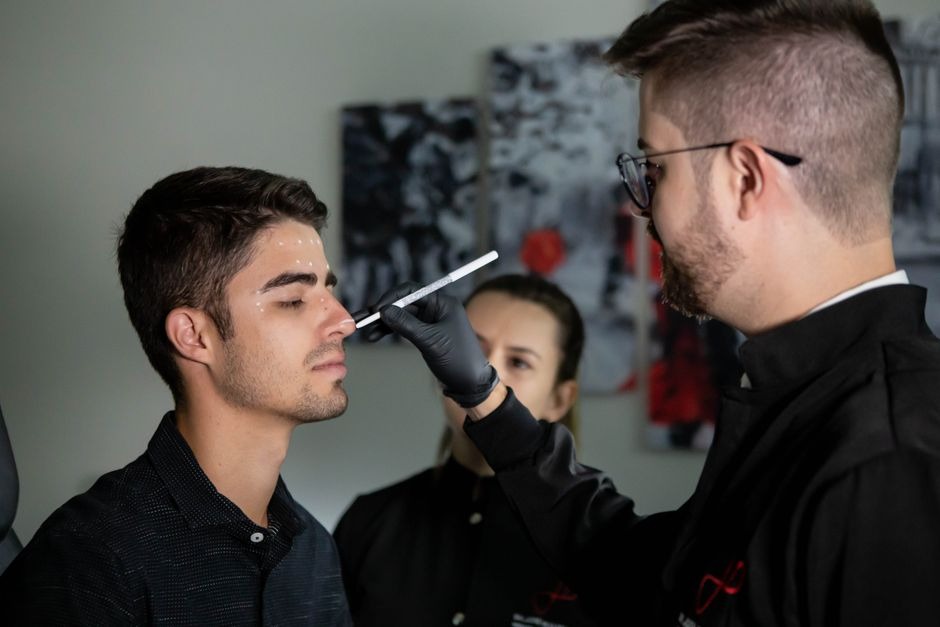
What you hear about plastic surgery often comes from reality TV, gossip, or dramatic before-and-after posts. That can make the whole subject seem flashy, secretive, or way simpler than it really is. In real life, it’s usually more personal and a lot more ordinary. If you’re curious, skeptical, or just trying to separate facts from fiction, it helps to look past the noise. A clear understanding can save you from bad assumptions, awkward conversations, and expectations that float away faster than a helium balloon.
How Misconceptions Begin
Plastic surgery myths hang around because they’re easy to repeat. A dramatic story gets more attention than a calm, boring truth. If someone says, “She had one procedure and looked totally different overnight,” people remember that. They don’t remember the healing, follow-ups, swelling, or careful planning.
Social media adds another layer. You usually see polished results, not the in-between stage where someone is puffy, tired, and living with ice packs. That missing middle matters. Without it, you may assume every change is instant and effortless.
There’s also a language problem. People often mix up cosmetic surgery with reconstructive surgery, even though they can have very different goals. One focuses on appearance, while the other helps restore form or function after injury, illness, or a congenital condition.
When a topic is emotional, visible, and misunderstood, myths spread like glitter. They get everywhere and are annoyingly hard to clean up.
It’s Not Just for Celebrities
A common myth is that only celebrities or very wealthy people consider plastic surgery. That’s just not true. Patients come from all kinds of backgrounds, ages, and life situations. Some are interested in cosmetic changes, while others need reconstructive care after accidents, cancer treatment, or medical conditions.
You might also assume every patient wants a dramatic transformation. Many don’t. Some want a small change that helps them feel more comfortable in their body. Others are trying to fix something that affects daily life, like breathing problems, discomfort, or asymmetry after surgery or injury.
It also helps to understand common plastic surgery misconceptions before judging why someone chose a procedure. The reasons can be medical, emotional, practical, or a mix of all three.
The bigger point is simple: there isn’t one “type” of patient. Real life is messier than stereotypes, and honestly, that’s usually where the truth lives.
Recovery Isn’t Instant
One of the biggest misunderstandings is thinking results appear right away. In many cases, they don’t. Your body needs time to heal, and that process can be slow, uneven, and a little humbling. Swelling is common. Bruising can happen. You may look worse before you look better.
That’s not a sign that something went wrong. It’s often part of recovery. The body is basically doing repair work, and it doesn’t rush just because you have weekend plans. Final results may take weeks or even months, depending on the procedure.
This matters because unrealistic timelines can lead to stress. If you expect instant perfection, normal healing may feel scary. That’s why recovery planning is so important. You may need help at home, time away from work, and patience that deserves a gold medal.
A good medical discussion should include what healing really looks like, not just what the polished result may be later. The “after” photo is only one chapter.
Plastic Surgery Isn’t Just Vanity
People often talk about plastic surgery as if it’s always about vanity. That idea misses a lot. Yes, some people choose procedures to change how they look, and that’s their business. But many others are dealing with issues that go beyond appearance.
Reconstructive procedures can help after mastectomy, burns, injuries, or skin cancer treatment. Some surgeries may improve comfort or function. A person might also want to correct something that has bothered them for years and affects their confidence in everyday situations.
Confidence isn’t a shallow topic, either. Feeling okay in your own skin can affect how you dress, socialize, work, and move through the world. That doesn’t mean surgery is the answer for everyone, but it does mean the motivation is often more thoughtful than outsiders assume.
It’s best to skip the snap judgments. You rarely know the full story behind someone’s decision, and guessing usually says more about the guesser than the patient.
Questions worth asking
If you’re ever considering a procedure, smart questions matter more than flashy promises. This isn’t the time to be shy. You want clear answers, realistic expectations, and a doctor who explains things in plain language.
Here are a few useful questions to ask:
- What training and certification do you have?
- Am I a good candidate for this procedure?
- What are the common risks and side effects?
- What will recovery actually look like?
- When should I expect to see results?
- What happens if I’m unhappy with the outcome?
You should also ask about scars, follow-up care, and how your health history could affect healing. If a consultation feels rushed or too salesy, that’s worth noticing.
A good conversation should leave you informed, not pressured. If you walk out more confused than when you walked in, that’s not a great sign. Your future self deserves better than mystery and glossy brochures.
Making informed choices
The best way to think about plastic surgery is with balance. Don’t treat it like magic, and don’t treat it like a moral failure either. It’s a medical decision, and medical decisions deserve facts, context, and care.
Try not to build your opinion from celebrity gossip, viral clips, or one dramatic story from a friend of a friend. Look for qualified medical guidance and honest conversations about benefits, limits, and recovery. Hype is loud. Good information is usually calmer.
It also helps to check your own expectations. Are you hoping for a subtle change, a functional improvement, or a confidence boost? Are your goals realistic? A procedure may help in some ways, but it won’t fix every life problem. No surgery can organize your closet, repair your group chat, or make you enjoy early meetings.
When you understand the facts, you’re in a stronger position to ask better questions, support others without judging, and make choices that fit your health and goals. That’s a much better look than any myth.
