

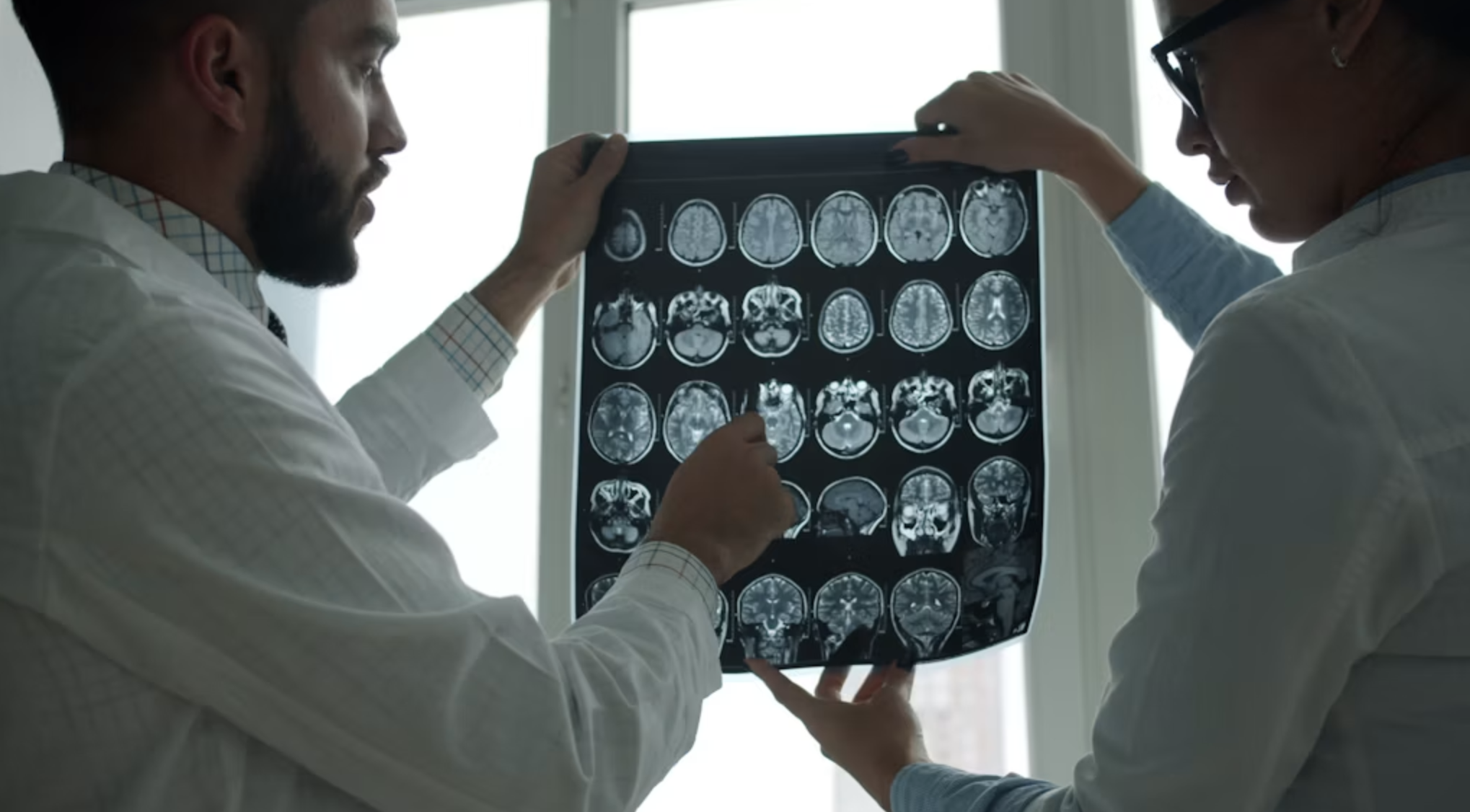
A wound is visible, and a broken arm shows up on an X-ray. A brain injury, however, sometimes doesn’t show up anywhere. That’s what makes it so hard to catch.
When someone hits their head, the standard move is a CT or MRI scan. These spot skull fractures, bleeding, or major swelling.
What they’re not great at is detecting the smaller stuff. Torn nerve fibers. Microscopic bruising. The kind of diffuse damage that happens when the brain twists inside the skull rather than bleeds.
According to the National Institute of Neurological Disorders and Stroke, even with newer imaging techniques, scans and blood tests can’t always detect damage from milder, concussive injuries.
Someone with a dozen broken bones from a car crash can have less brain trauma than someone who took a simple fall in the bathtub. The scan can’t tell the difference.
A Real-World Example
A recent Ynetnews feature followed soldiers exposed to blast waves who walked away from CT scans with a clean bill of health.
Only, they developed memory loss, brain fog, and word-finding trouble weeks later. Doctors quoted in the piece noted that diagnosis in these cases comes down to clinical history alone, since the physical evidence isn’t visible on a screen.
“The human brain consists of 86 billion neurons and 100 trillion synaptic connections. When the brain experiences acceleration or rotation, these fiber networks can tear or malfunction. Sometimes imaging can show areas that are not receiving enough oxygen. When that happens, function is impaired.” – Neurosurgeon Professor Joseph Maroon, via Ynetnews.com.
When Someone Else is to Blame
If a scan comes back “normal” but you still don’t feel 100%, that’s worth taking seriously rather than dismissing. It’s also worth knowing where you stand if the injury happened because of someone else’s negligence.
When a brain injury requires a lawsuit, the gap between an incident and a formal diagnosis can be used to question whether your symptoms are related. This is why documenting your history is important, even when the injury felt minor at the time. Brain injuries are hard to diagnose because they hide in plain sight.
The more doctors and now technology work together to look past the “normal” scan, the sooner people get the answers they’re owed.
If someone’s failure to exercise reasonable care caused your brain injury, you may have grounds to file a brain injury claim. Freeman Law Firm advises seeking the professional help of a brain injury lawyer.
Symptoms Overlap With Everything Else
Fatigue, poor concentration, irritability, sleep trouble. These are hallmark brain injury symptoms.
They’re also hallmark symptoms of anxiety, depression, PTSD, menopause, and plain old burnout.
The Marshalling Brain Injuries Alliance explains that this overlap means many people spend months or years bouncing between diagnoses before anyone connects the dots. Sometimes one that happened years earlier and seemed minor at the time.
PTSD Makes It Even Trickier
The overlap with PTSD deserves its own mention. Veterans, survivors of domestic violence, and accident survivors carry both conditions at once.
Separating “this is trauma” from “this is a physical brain injury” takes real clinical skill and time that not every provider has.
Delayed Onset Doesn’t Help
Per the Cleveland Clinic, mild TBI (traumatic brain injury) symptoms can appear right away or develop over days, and they can keep shifting as the brain heals.
People often don’t connect their headache or memory slip three weeks later to the fall or fender-bender they’d already mentally filed away.
FAQs
If my scan came back clear, does that mean I’m fine?
Not necessarily. Standard CT and MRI scans are built to catch bleeding, fractures, and major structural damage. Currently available imaging can’t always detect damage from milder, concussive injuries.
Why do doctors sometimes mistake a brain injury for a mental health issue?
The symptom lists overlap. Fatigue, poor concentration, irritability, and sleep trouble show up in brain injuries and in conditions like anxiety, depression, and PTSD.
Can symptoms show up weeks after the injury?
Yes. Mild TBI symptoms can develop over days rather than immediately, and they can change as the brain heals.
Is there any new technology that can catch what scans miss?
There’s promising research underway. High-speed eye-tracking has detected subtle deficits in people whose concussions happened more than a decade earlier.
Stats at a Glance
| Stat | Source |
| More than 75% of all traumatic brain injuries are classified as mild | Cleveland Clinic |
| Men are nearly three times more likely to die from a TBI than women | NINDS |
| Falls are the most common cause of TBI, particularly among the youngest and oldest age groups | NINDS |
| About 90% of concussed athletes never lose consciousness, making diagnosis inconsistent | The Conversation |
Technology is Catching Up
Diagnostic tools are catching up. Research published by Neuroscience News found that high-speed eye-tracking can reveal “micro-stutters” in brain-to-eye communication in people whose concussions happened over a decade ago. This was even when standard exams and scans came back clean.
The Conversation also reports that AI models drawing on brain scans, blood work, and mood data are being tested in sport to give doctors more objective evidence.
The tools for catching what today’s imaging misses are improving. But until they’re standard practice, the burden of connecting the dots falls on patients and the people who know them best.
