

Supplement bottles line pharmacy shelves and clinic waiting rooms alike. Patients often ask whether the pills inside are made well. The answer sits in the factory, not the marketing copy. Manufacturing quality decides what actually reaches the bloodstream.
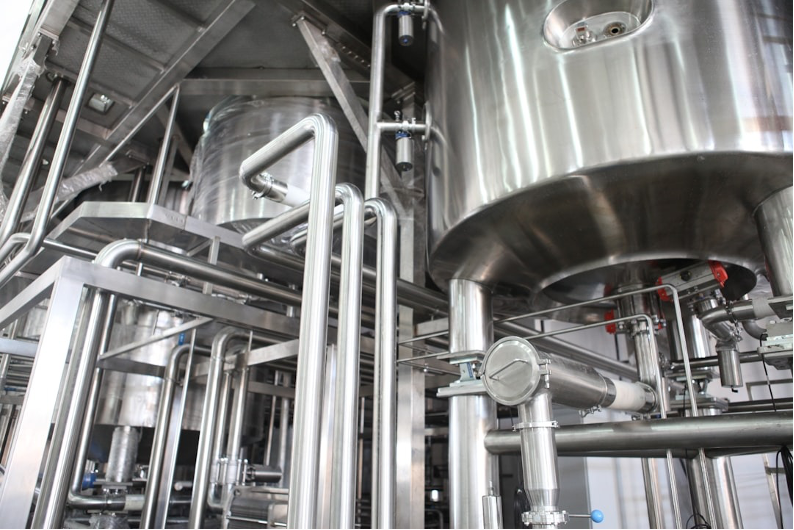
Photo by Crystal Kwok on Unsplash
Alt text: Stainless steel blending tanks inside a supplement manufacturing facility
Clinicians rarely see how these products come together. Contract manufacturers such as Sawgrass Nutra Labs formulate, produce, and package supplements for the brands on the label. Knowing that process helps you judge quality with clear eyes.
What Rules Govern Dietary Supplement Manufacturing?
Dietary supplements are not approved like drugs. They still face binding federal rules for production. The main standard is 21 CFR Part 111. The FDA finalized it in 2007 for the whole industry.
These federal manufacturing rules set specifications for identity, purity, and strength. Every batch must meet its own written targets. A facility that ignores them cannot stand behind its output. About 3 in 4 US adults take supplements, so the stakes are wide.
Sawgrass Nutra Labs and similar facilities operate inside this framework. The rules demand current good manufacturing practices, often shortened to cGMP. Documentation runs through each stage of the work.
Enforcement is real, not theoretical. The FDA inspects facilities and issues warning letters. Repeat failures can pull a product from the market. Good makers treat each rule as a floor, not a ceiling.
How Is a Supplement Formulated and Produced?
Good products follow a defined path from raw material to sealed bottle. Reputable makers record every step. Here is the flow most facilities follow:
- Test each raw ingredient for identity and purity on arrival.
- Formulate the blend to hit the exact label amounts.
- Choose a dosage form such as a capsule, tablet, or powder.
- Produce the batch under controlled temperature and humidity.
- Run in-process checks so each unit stays consistent.
- Seal, label, and assign a lot number for tracing.
Form choice shapes how the body absorbs a nutrient. The science behind design of dosage forms guides these decisions. A powder may act faster than a coated tablet.
Batch size can range from a few hundred to millions of units. Each run still follows the same master record. That record lists every ingredient, weight, and step. Scaling up should never loosen the controls.
What Quality Tests Confirm a Batch Is Sound?
Testing is where quality claims meet evidence. An outside lab checks the finished product without any stake in sales. It verifies that contents match the printed label. That single step separates careful brands from hopeful ones.
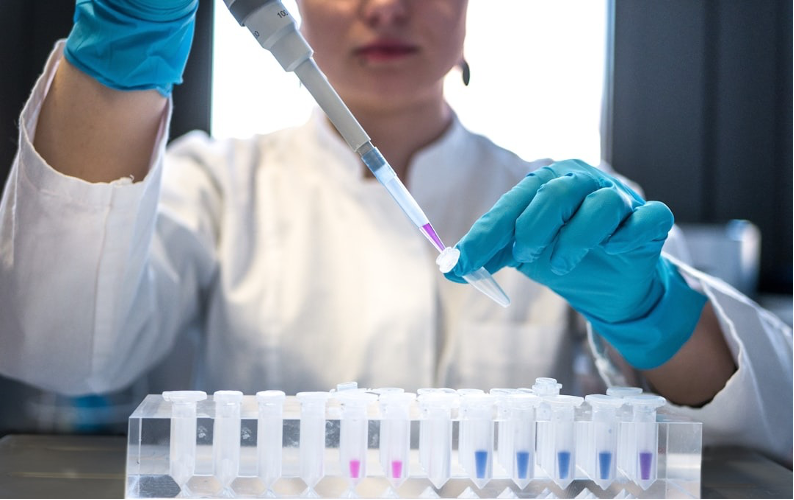
Photo by Julia Koblitz on Unsplash
Alt text: A laboratory technician testing supplement samples with analytical equipment
The core tests look at identity, potency, and purity. Analysts can flag heavy metals, microbes, or missing actives. Roughly 1 in 5 products still fall short of their stated potency. A named, independent tester carries more weight than a self-awarded badge.
Modern labs lean on precise instruments for these checks. Chromatography can measure an active compound down to trace levels. Mass spectrometry confirms identity when a result looks off. Written methods keep every analyst on the same page. Each method leaves a data trail that auditors can review later.
How Do Facilities Control Contamination Risk?
Contamination can enter at many points. Clean facilities plan for each one. Key controls include:
- Air filtration and gowning to keep particles out of the room.
- Sanitized equipment cleaned between every production run.
- Incoming ingredient screening for heavy metals and microbes.
- Sealed hard capsules that protect the fill from moisture.
- Environmental monitoring with logged temperature and humidity data.
Limits are specific, not vague. Lead in many products stays under 0.5 parts per million. Public consumer guidance helps patients set fair expectations. Sawgrass Nutra Labs and its peers log this data for every lot.
Water systems get their own scrutiny too. Purified water must meet defined microbial limits. Pest control and waste handling round out the plan. A single weak point can spoil an entire batch.
What Should Clinicians Check On a Certificate of Analysis?
A certificate of analysis, or CoA, records batch test results. It links a lot number to real lab data. Ask for one when a product’s quality is unclear. A reputable maker shares it without fuss.
Read the CoA for actual values, not just pass marks. Check that potency sits within 2 to 3 percent of the label. Confirm the lab is independent and accredited. Sawgrass Nutra Labs and careful manufacturers keep these records on file for years.
Storage conditions belong on the record as well. Heat and humidity can degrade a nutrient over months. A stability study shows how long the potency holds. Ask when the last stability pull was tested.
Quality Signals Worth Remembering
- Federal cGMP rules bind supplement makers, even without drug-style approval.
- A clear dosage form and lot number signal a tracked batch.
- Independent testing beats any self-awarded seal on the bottle.
- Contamination limits, like 0.5 ppm lead, should be measured, not assumed.
- A certificate of analysis turns quality claims into checkable data.
- Stability data, not a printed date alone, should back the shelf life.
Judging Supplement Quality With Clear Eyes
Quality is built long before a bottle ships. The factory, not the label, decides what a patient swallows. You do not need to endorse a brand to read these signals. Point patients toward makers that document their work. That habit protects everyone in the room.
FAQ
Are Dietary Supplements Approved by the FDA?
No, supplements are not approved before sale like drugs. The FDA regulates their manufacturing and labeling instead. Makers stay responsible for safety and honest claims.
What Does CGMP Mean for a Supplement?
cGMP stands for current good manufacturing practice. It sets binding rules for how a product is made and tested. A cGMP facility must meet written specifications for every batch.
Why Does Third-Party Testing Matter?
An independent lab has no stake in sales. It confirms that potency and purity match the label. That neutral check gives clinicians and patients firm ground to trust.
Can I Ask a Brand for a Certificate of Analysis?
Yes, and a quality maker will share one. The document ties a lot number to lab results. If a company refuses, treat that as a warning sign.
