

We live in an age where information is everywhere, yet clarity often feels out of reach.
For many people—especially university students, healthcare professionals, and medical students—the day rarely ends after work or class. Long study hours, clinical responsibilities, deadlines, examinations, and career uncertainty already consume enormous mental energy.
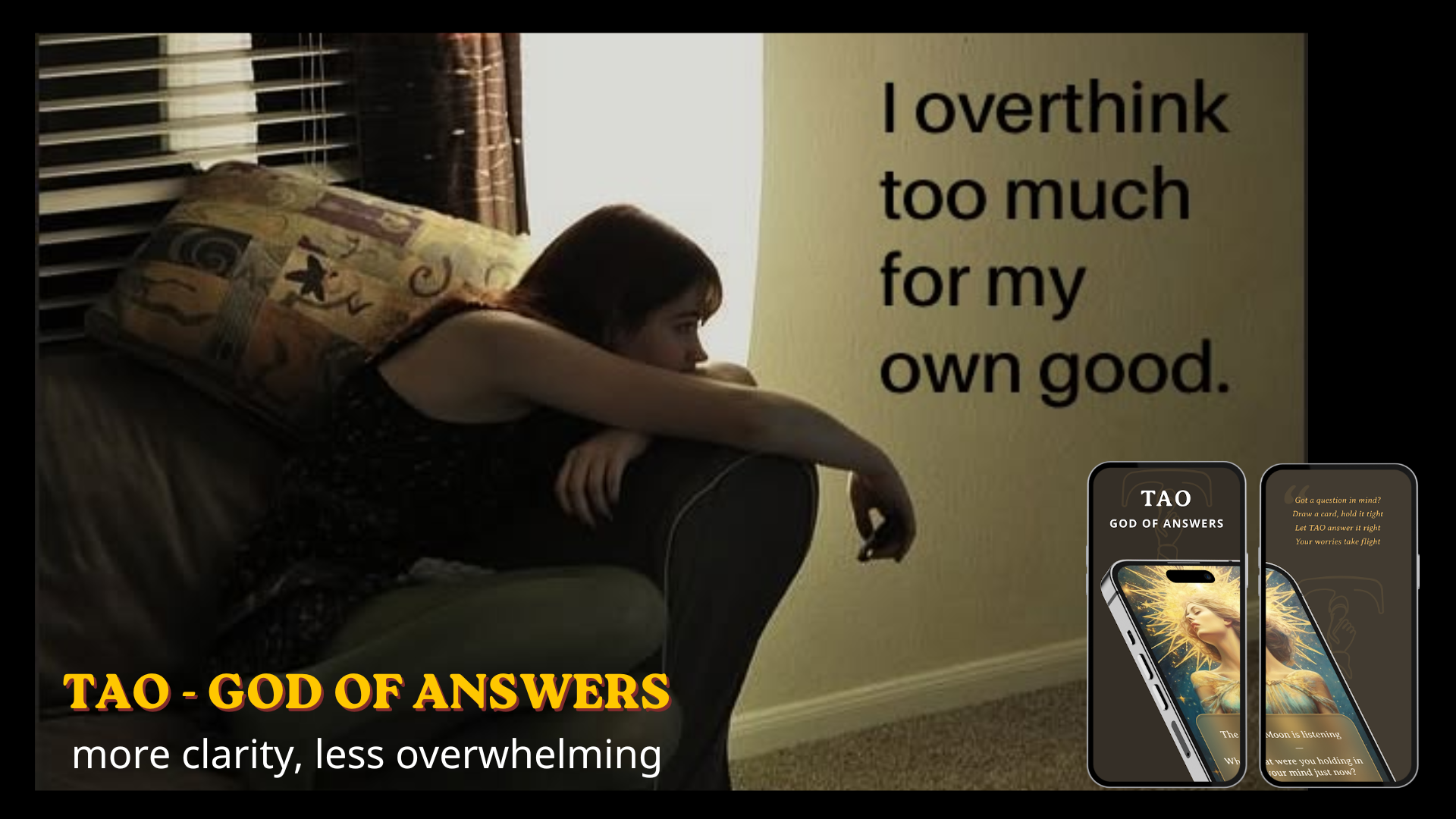
But the heavier burden is often invisible.
Should I stay in this relationship?
Am I disappointing my parents?
Should I apply for residency abroad?
Should I quit my current job?
Is taking a gap year the right decision?
Will choosing this specialty make me happier in ten years?
These questions rarely have objectively correct answers. Yet they quietly occupy our minds, draining emotional energy long after the day’s visible tasks are finished.
Psychologists increasingly describe this phenomenon as mental load or cognitive load—the accumulation of decisions, worries, emotional responsibilities, and unfinished thoughts that continue running in the background.
Finding a healthy way to process these thoughts has become more important than ever.
One surprising tool that continues to attract attention is tarot.
Not because tarot predicts the future.
But because it helps people understand themselves.
Carl Jung Didn’t View Tarot as Magic
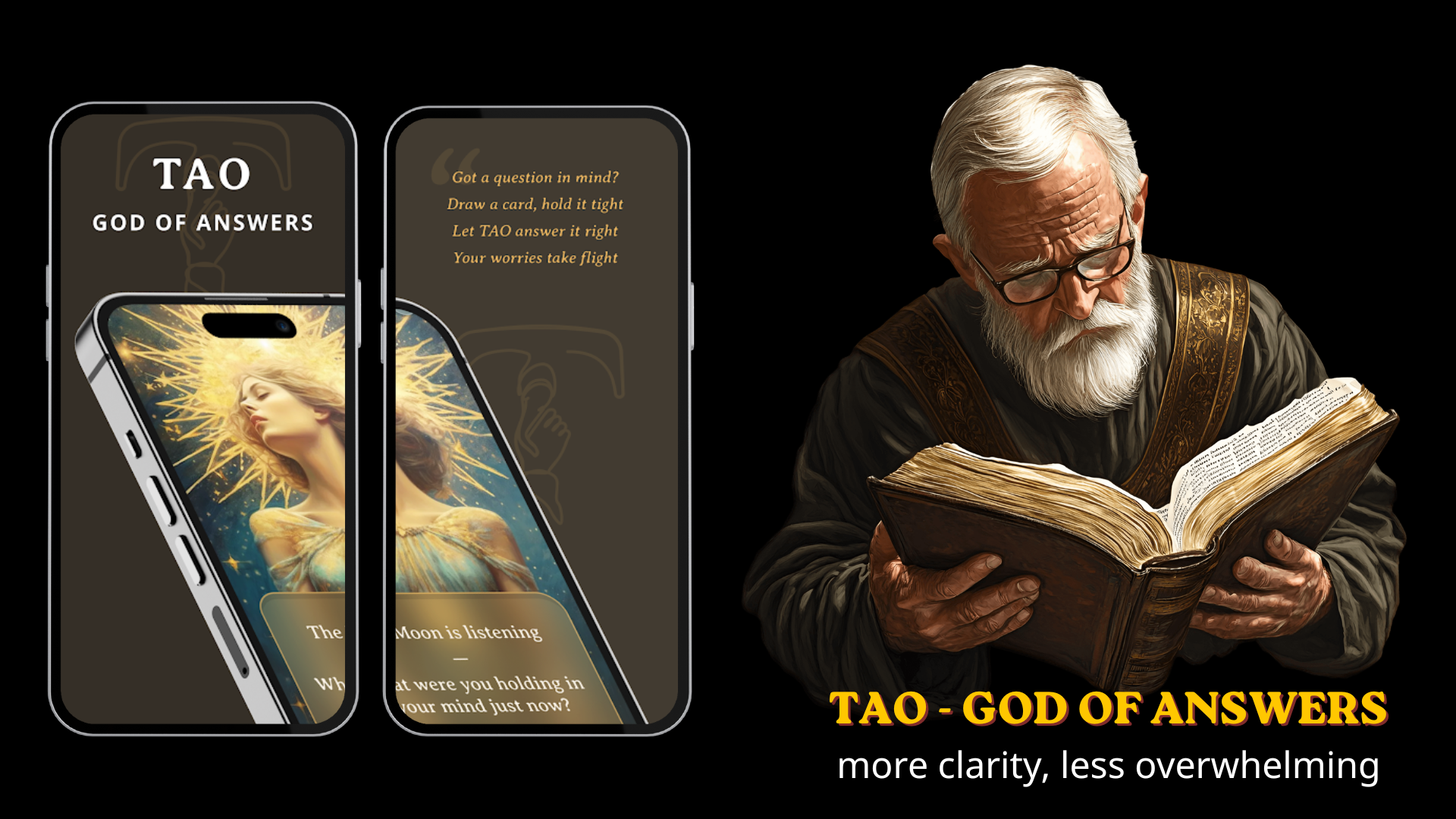
Swiss psychiatrist Carl Gustav Jung, founder of analytical psychology, spent much of his career studying symbols, myths, dreams, and the unconscious mind.
Although Jung never published a formal scientific theory claiming tarot could predict future events, many Jungian scholars have noted strong parallels between tarot symbolism and Jung’s concept of archetypes.
According to Jung, archetypes are universal psychological patterns shared across humanity. They appear repeatedly in dreams, myths, religions, literature, and symbolic systems.
Interestingly, many tarot cards reflect these same archetypal themes:
- The Fool represents new beginnings and potential.
- The Hermit symbolizes introspection and wisdom.
- Death reflects transformation rather than literal endings.
- The Lovers explores values, relationships, and meaningful choices.
Instead of revealing external destiny, these symbols can stimulate internal reflection.
Jung believed that symbols often communicate with parts of the mind that ordinary rational thinking cannot easily access. In this sense, symbolic imagery becomes a bridge between conscious reasoning and unconscious insight.
Many psychologists today interpret tarot similarly—not as fortune-telling, but as a structured method for self-reflection.
Why Tarot Can Feel Surprisingly Helpful
Imagine you’re overwhelmed by multiple choices.
Every option seems both right and wrong.
You ask friends.
You search Reddit.
You watch YouTube videos.
Days pass.
Nothing changes.
This experience is often called analysis paralysis.
Tarot introduces something different.
Rather than telling you what will happen, a tarot spread presents symbolic perspectives that encourage you to ask better questions:
- What am I afraid of?
- What belief is influencing my decision?
- What am I avoiding?
- Which possibility feels most authentic?
Sometimes, simply reframing a problem reduces emotional tension enough for clearer thinking to emerge.
Research in psychology has long shown that externalizing thoughts—whether through journaling, therapy, or symbolic exercises—can improve emotional regulation and decision-making.
Tarot functions similarly for many people.
The cards become prompts.
Your interpretation becomes the real conversation.
The Hidden Risk of Online Tarot Readings
While tarot can encourage healthy reflection, not every reading is equally beneficial.
Social media has made tarot content more accessible than ever.
Unfortunately, it has also encouraged sensationalism.
Many online readers make absolute claims such as:
- “Your soulmate will contact you tomorrow.”
- “Your ex is secretly watching you.”
- “You will become wealthy within three months.”
- “Someone has placed negative energy on you.”
These messages often generate emotional dependence rather than personal growth.
Over time, some people begin checking tarot before making even the smallest decisions:
- Should I reply to this message?
- Should I attend this meeting?
- Should I order coffee today?
Instead of building confidence, tarot becomes a substitute for independent thinking.
Psychologically, this can reinforce anxiety rather than reduce it.
Healthy tarot practice should empower decision-making—not replace it.
Why Learning to Read Tarot Yourself Can Be More Meaningful
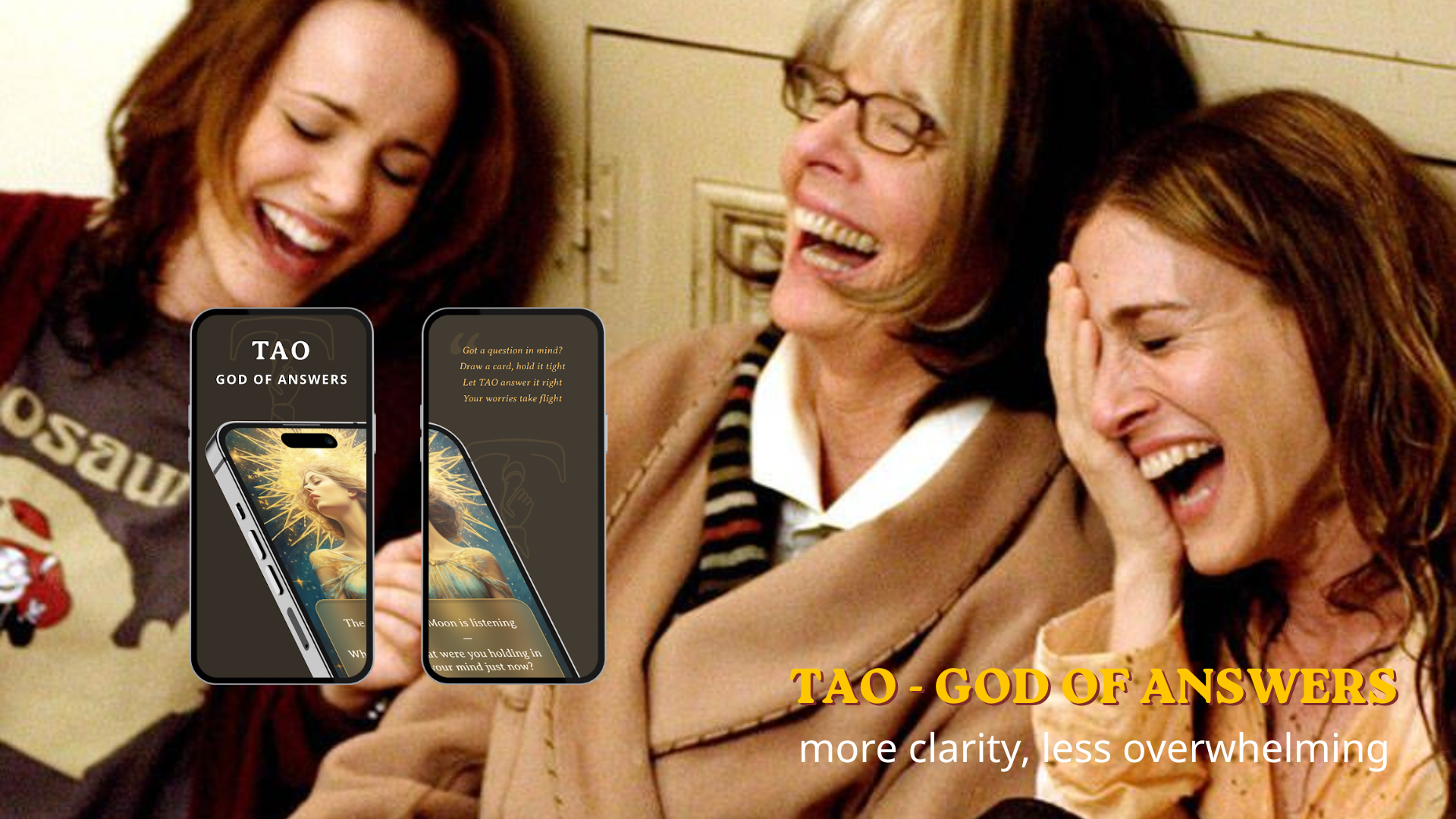
Reading your own cards creates a different experience.
Instead of waiting for someone else to interpret your life, you actively engage with your own thoughts.
Self-reading offers several advantages:
- Greater privacy
- Lower cost
- Immediate access whenever needed
- Less influence from another person’s bias
- Stronger self-awareness over time
Most importantly, you remain the decision-maker.
The cards become conversation starters—not final answers.
Meet TAO: GOD of Answers
Modern technology has made self-reflection even more accessible.
TAO: GOD of Answers is designed for people who want thoughtful guidance without becoming dependent on fortune telling.
Rather than promising certainty, the app encourages users to slow down, reflect, and explore different perspectives.
Its experience combines traditional tarot symbolism with practical decision support inspired by both Western psychology and Eastern philosophy.
1. Multi-Spread Tarot Readings
Choose the style that matches your situation.
Whether you want:
- A daily single-card reflection
- A classic Past–Present–Future spread
- A straightforward Yes or No reading
each layout is designed to help organize your thinking instead of predicting fixed outcomes.
2. The God of Answers Decision Engine
Sometimes you don’t need another tarot spread.
You simply need help untangling your thoughts.
Type your dilemma directly into the app:
“Should I continue medical school?”
“Should I apologize first?”
“Should I accept this job offer?”
The Decision Engine responds with concise, actionable guidance that helps reduce analysis paralysis and encourages forward movement.
3. Eastern Wisdom Meets Western Tarot
One unique feature of TAO is its integration of Taoist philosophy.
Instead of relying solely on traditional tarot meanings, the app also incorporates ideas such as:
- Yin and Yang—finding balance between opposing forces.
- Wu Wei—acting in harmony with life’s natural flow instead of forcing outcomes.
This combination offers a more balanced approach to personal reflection.
Rather than asking,
“How do I control everything?”
users begin asking,
“How can I respond wisely to what life is presenting?”
Tarot Isn’t About Predicting Your Future
One of the biggest misconceptions surrounding tarot is that its purpose is prediction.
In reality, many psychologists—and particularly those influenced by Jungian thinking—see symbolic systems as tools for increasing self-awareness.
Tarot cannot make decisions for you.
It cannot guarantee success.
It cannot remove uncertainty from life.
What it can do is help you pause, organize your thoughts, identify emotional patterns, and view difficult situations from a fresh perspective.
Sometimes that moment of clarity is exactly what’s needed to move forward.
Final Thoughts
Modern life places enormous psychological demands on us.
Beyond exams, careers, and deadlines, we constantly carry invisible emotional responsibilities that quietly consume our attention.
Healthy self-reflection has never been more valuable.
When approached thoughtfully, tarot becomes less about predicting the future and more about understanding the present.
Combined with modern technology and the timeless wisdom of both Jungian psychology and Taoist philosophy, tools like TAO: GOD of Answers offer a practical way to slow down, reconnect with yourself, and make decisions with greater confidence.
Because in the end, the goal isn’t to know the future.
It’s to understand yourself well enough to create it.
