

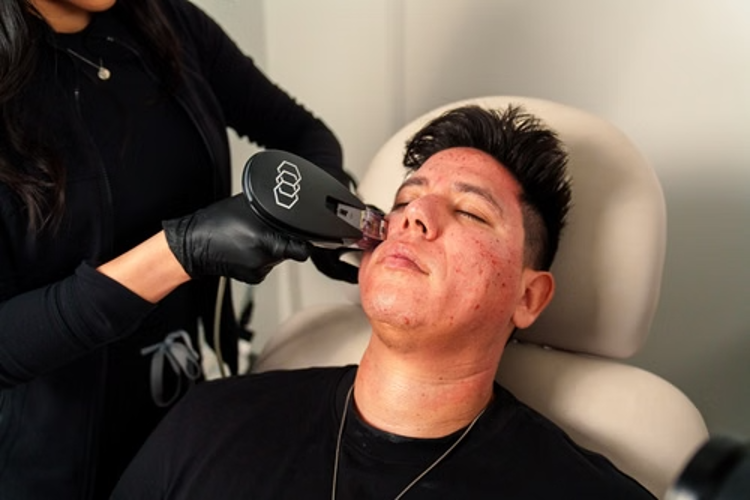
Have you ever wondered why recovery has become almost as important as exercise itself? Not long ago, most people thought recovery meant getting some sleep and waiting for sore muscles to calm down. Today, a growing collection of technologies is changing that idea. From wearable trackers to advanced light-based treatments, recovery is becoming a more active part of health and wellness. These innovations are helping people understand their bodies better, recover faster, and make smarter choices about long-term well-being.
Recovery Is Becoming a Daily Practice
For years, recovery was something athletes discussed behind the scenes while everyone else focused on workouts, diets, and step counts. That mindset is shifting as more people realize that the body improves not during activity but during the recovery process that follows it.
Modern recovery technology is making that process easier to understand. Smart devices now track sleep quality, heart rate variability, stress levels, and physical strain. Instead of guessing when the body needs rest, users can see measurable signals that guide daily decisions. The result is a more balanced approach to health that values recovery as much as performance.
The Rise of Light-Based Therapies
One of the most talked-about developments in recovery technology involves light. Athletes, fitness enthusiasts, and wellness clinics are increasingly using specific wavelengths of light to support muscle recovery and reduce discomfort after exercise.
Many people researching these options eventually come across the question, what is red light therapy and why has it gained so much attention? The treatment uses low-level red and near-infrared light that penetrates the skin and interacts with cells. Researchers continue to study its effects, but early findings suggest potential benefits for tissue repair, inflammation management, and recovery support. As devices become more accessible for home use, what was once a specialized treatment is becoming part of everyday wellness routines for a broader audience.
Wearables Are Turning Data Into Recovery Plans
Fitness trackers started as simple step counters, but today’s devices offer far more detailed insights. Many wearables now measure sleep stages, resting heart rate, body temperature trends, and recovery scores that help users understand how prepared they are for physical activity.
This shift reflects a larger trend in health technology. Instead of providing raw numbers, devices increasingly translate information into recommendations. A wearable might suggest a lighter workout after poor sleep or encourage additional rest after detecting elevated stress levels. These personalized insights help people avoid overtraining while maintaining consistent habits that support long-term health.
Recovery Tools Are Moving Into the Home
Technology that once required professional facilities is increasingly available in living rooms and home gyms. Compression boots, massage guns, infrared devices, and recovery-focused smart mats have become more affordable and user-friendly.
This convenience matters because consistency often determines results. Few people have the time to visit specialized recovery centers several times a week. Home-based tools remove many of those barriers. While no device replaces healthy habits such as sleep, nutrition, and hydration, these technologies can complement a solid wellness routine and encourage people to prioritize recovery more regularly.
Artificial Intelligence Is Personalizing Wellness
Artificial intelligence is quietly becoming one of the most influential forces in health and recovery. AI systems can analyze large amounts of biometric data and identify patterns that humans might overlook.
Imagine two people completing the same workout. One may need additional recovery because of stress, poor sleep, or previous physical strain. AI-powered platforms can recognize these differences and recommend individualized recovery strategies. The irony is that many people once viewed recovery as listening to their bodies, while modern technology now helps interpret what those bodies have been trying to say all along.
Better Sleep Technology Is Improving Results
Sleep remains one of the most powerful recovery tools available, yet it is often the most neglected. Emerging technologies are helping people understand not just how long they sleep but how well they sleep.
Smart mattresses, sleep-tracking wearables, and environmental monitoring systems provide insights into sleep quality. Some devices track room temperature, noise levels, and movement patterns throughout the night. Practical adjustments such as maintaining a cooler bedroom, reducing screen exposure before bed, and following consistent sleep schedules can significantly improve recovery outcomes. Technology provides the data, but better habits still deliver the results.
Recovery Is Expanding Beyond Physical Fitness
The conversation around recovery now extends well beyond muscles and workouts. Mental recovery is becoming an important part of overall wellness, especially as stress and burnout affect people across all age groups.
New technologies support mindfulness, breathing exercises, guided relaxation, and stress monitoring. Some apps can detect changes in physiological stress markers and suggest calming activities before stress escalates. This broader perspective recognizes an important reality: a body that is physically recovered but mentally exhausted is not truly performing at its best. Effective recovery now includes both physical and emotional well-being.
The Future Points Toward Preventive Health
Perhaps the most significant impact of emerging recovery technologies is their role in prevention. Rather than waiting for injury, fatigue, or burnout to occur, many tools help identify warning signs early.
Predictive analytics, continuous monitoring, and personalized recommendations are creating a more proactive approach to health. People can make small adjustments before minor issues become major problems. That shift may ultimately be the greatest innovation of all. Recovery technology is not simply helping people bounce back faster. It is helping them avoid setbacks in the first place.
The growing influence of recovery technology reflects a larger change in how people think about health. Wellness is no longer defined solely by how hard someone trains, how many calories they burn, or how busy they stay. Increasingly, success is measured by how effectively the body and mind recover from life’s demands. Emerging technologies are providing new ways to support that process, offering data, convenience, and personalization that were unimaginable just a decade ago. While no device can replace healthy lifestyle habits, these innovations are making recovery more accessible, more understandable, and more central to everyday wellness than ever before.
