

Nursing is one of the most important professions within the healthcare system. Nurses play a direct role in supporting patients through every stage of care, from initial assessments and treatment to recovery and ongoing health management. Their responsibilities extend beyond clinical tasks, as they also provide education, emotional support, and guidance to patients and their families.
As healthcare needs continue to evolve, the demand for skilled nursing professionals remains strong. Nurses work in a wide range of settings, including hospitals, outpatient clinics, rehabilitation centers, schools, and community health organizations. Their ability to combine medical knowledge with patient-centered care helps improve healthcare experiences and outcomes. By promoting safety, communication, and continuity of care, nurses contribute significantly to the effectiveness of modern healthcare systems. Understanding their role highlights why nursing remains essential to delivering high-quality patient care.
Nurses as the Primary Point of Patient Care
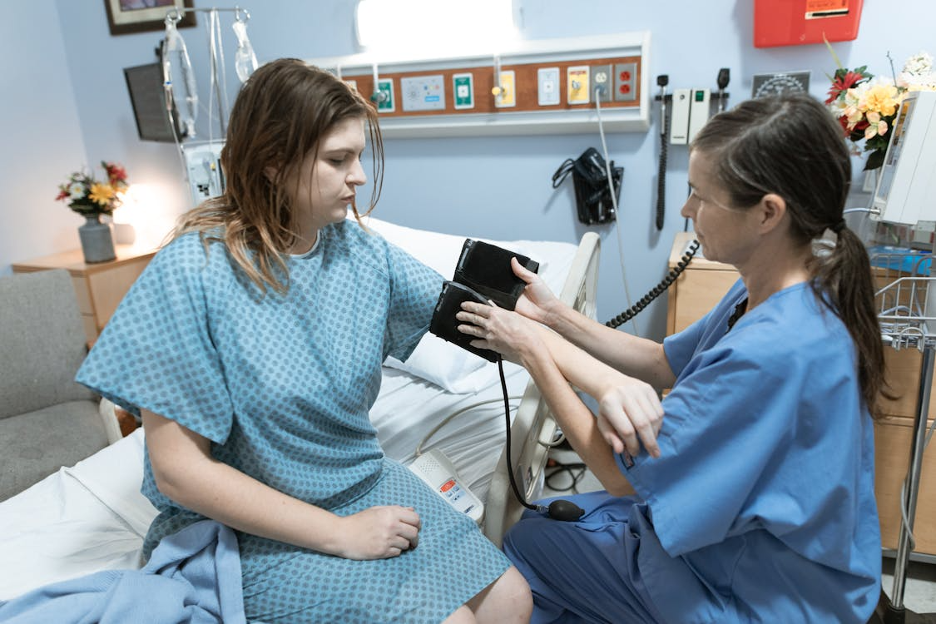
Nurses often spend the most direct time with patients. They check vital signs, monitor symptoms, administer medications, assist with procedures, and respond to immediate concerns. Because they remain closely involved in day-to-day care, they can identify subtle changes in a patient’s condition before those changes become more serious. Their consistent presence allows them to provide timely support while helping patients feel more comfortable throughout the treatment process.
As nurses interact with patients regularly, they also develop relationships built on trust and communication. Patients are often more willing to ask questions, discuss symptoms, and express concerns when they feel heard and supported. These interactions help nurses gather important information that can guide care decisions and improve the overall patient experience. Building this level of trust requires strong clinical knowledge, effective communication, and sound decision-making skills. To develop these competencies, many aspiring healthcare professionals pursue an online accelerated BSN program, which helps prepare them for the demands of direct patient care while balancing existing responsibilities. With the right educational foundation, nurses are better equipped to support patients, collaborate with healthcare teams, and contribute to positive health outcomes.
Enhancing Patient Safety and Quality of Care
Patient safety depends on careful, consistent nursing practice. Nurses help prevent errors by confirming patient details, following medication protocols, documenting changes, and communicating concerns clearly. These actions may seem routine, but they have a major impact on treatment accuracy and patient protection. Their commitment to established safety procedures helps create a more secure healthcare environment.
Quality care also requires strong clinical judgment. Nurses use evidence-based practices to support recovery, reduce complications, and promote comfort. They assess risks, identify warning signs, and take timely action when a patient’s condition changes. Their attention to detail helps create safer and more reliable care. Consistent monitoring and informed decision-making contribute directly to improved health outcomes.
The Role of Communication in Effective Nursing Care
Clear communication is one of the most important parts of nursing. Nurses explain treatment plans, answer patient questions, and make sure families understand care instructions. They also help patients feel informed, respected, and involved in decisions about their health. Effective communication can reduce misunderstandings and increase confidence in the care being provided.
Nurses also communicate with physicians, specialists, therapists, and other healthcare professionals. They share updates, report concerns, and help coordinate next steps. When communication works well, patients receive more organized care, fewer details are missed, and the healthcare team can respond with greater confidence. This collaborative exchange of information supports continuity of care and better treatment planning.
Providing Compassionate and Patient-Centered Care
Effective nursing goes beyond clinical treatment. Nurses often help patients manage stress, uncertainty, and emotional challenges that may arise during medical care. By listening carefully and responding with empathy, they create a more supportive healthcare experience. This approach helps patients feel respected and understood throughout their treatment journey.
Patient-centered care also recognizes that every individual has unique needs and preferences. Nurses consider cultural backgrounds, personal values, and specific health goals when developing care plans. As a result, patients often become more engaged in their care and more likely to follow treatment recommendations. Strong patient relationships can also increase trust, which supports better communication and long-term health management.
Supporting Care Coordination and Team Collaboration
Modern healthcare relies on strong teamwork, and nurses play a key role in keeping that teamwork effective. They communicate important patient information, monitor progress, and ensure that different members of the healthcare team remain informed. Their involvement helps maintain continuity throughout the care process.
Care coordination becomes especially important when patients require services from multiple providers. Nurses help organize appointments, facilitate transitions between departments, and clarify treatment instructions. These efforts reduce confusion and contribute to a smoother healthcare experience for both patients and families. Effective collaboration also helps minimize delays in treatment and supports more efficient use of healthcare resources.
Adapting to Evolving Healthcare Challenges
Healthcare continues to change as new technologies, treatment approaches, and patient needs emerge. Nurses must stay informed about these developments to provide safe and effective care. Their ability to adapt allows healthcare organizations to respond more efficiently to changing demands. Strong nursing education provides the foundation needed to understand evolving healthcare practices and apply them effectively in clinical settings.
In addition, nurses often care for patients with complex medical conditions that require specialized attention. They must balance technical knowledge with practical problem-solving skills. Whether working with digital health tools or responding to public health concerns, nurses remain an essential part of healthcare delivery. Their flexibility helps healthcare systems maintain high standards of care even during periods of rapid change.
Strengthening Healthcare Through Nursing Excellence
Nursing remains a fundamental part of effective patient care. From direct patient support and safety monitoring to communication and care coordination, nurses contribute to nearly every aspect of the healthcare experience. Their knowledge, compassion, and commitment help create positive outcomes for patients across diverse settings.
As healthcare systems continue to evolve, the importance of nursing will only grow. Well-prepared nursing professionals support quality care, improve patient experiences, and strengthen healthcare delivery as a whole. Their contributions make a lasting difference in the health and well-being of individuals and communities alike. By combining clinical expertise with patient-centered care, nurses help shape a stronger and more responsive healthcare system.
