

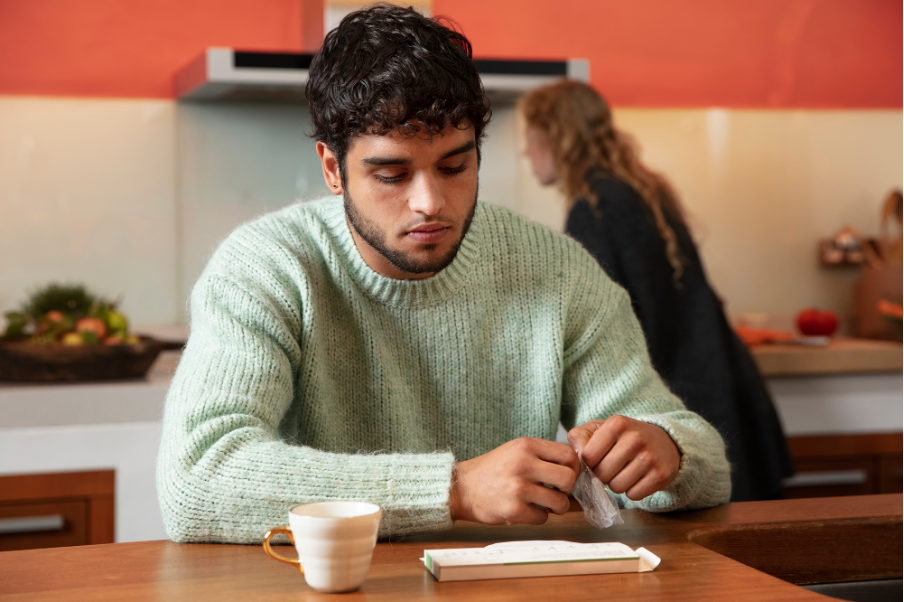
Twenty eight used to be too young for a diabetes diagnosis. Not anymore. Across India, urban clinics are now seeing a steady stream of young adults walking in with blood sugar readings that once belonged to people twice their age.
What changed? Mostly, the way people live.
Why This Is Happening to Young India
Nobody sat down one day and decided to trade movement for screens. It happened gradually, one desk job and one late night scroll at a time. Add processed food into the mix, and the body’s blood sugar system starts struggling long before midlife even arrives.
The Habits Quietly Fuelling Early Diabetes
Sitting is the big one. Hours at a desk, then hours on a telephone, and insulin sensitivity drops, even in people who look perfectly fit. Looks can be deceiving, apparently.
Food is just as important. White bread, sugary drinks, fried snacks picked up on the way home; none of it feels dangerous in the moment. But the repeated sugar spikes take their toll on the body over months and years.
And it plays a quiet role too, even in slim bodies, releasing substances that interfere with how insulin works. And then there’s stress. Deadlines, exams, money worries, comparing yourself scrolling at midnight. Cortisol rises and blood sugar rises right along with it.
Sleep gets sacrificed somewhere in all this. Less than six hours of sleep messes with your hormones and makes it harder to fight sugar cravings.
Signs Worth Paying Attention To
These signs are often ignored but you may feel excessive thirst, frequent urination, slow wound healing and fatigue that no amount of sleep can cure. They aren’t nothing. Recognizing them early can save years of trouble later.
Where Homeopathy Fits Into the Picture
More and more young adults are turning to homeopathy for diabetes treatment, attracted by its more gentle, holistic approach to blood sugar management. For this branch of medicine it’s not about a number on a report, but the person behind it, which is why diabetes treatment in homeopathy usually sits comfortably alongside diet changes and exercise, not in competition with them.
There is also a rising interest in Homeopathy Treatment for lifestyle issues like poor sleep, chronic stress and low energy. People who try Homeopathy Treatment for lifestyle issues often say they feel calmer and sleep better within weeks. This type of Homeopathy Treatment for lifestyle problems tries to correct the underlying imbalance rather than just suppressing the symptom on the surface.
For someone diagnosed at 28, combining Diabetes treatment in homeopathy with daily movement and improved rest can seem so much more manageable than doing it alone. Homeopathy Treatment for lifestyle issues associated with stress and irregular routines can support the kind of change that really lasts.
Small Habits That Actually Help
Thirty minutes of movement, real food instead of packaged food, proper sleep, and a checkup every year or two from the mid-twenties on, none of it is glamorous but consistency beats intensity here.
The Bottom Line
Type 2 diabetes at 28 is common today, but it doesn’t need to be permanent. Acting early changes everything, regardless of whether someone prefers traditional treatment, diabetes treatment in homeopathy, or a combination of both. The habits are simple. Starting them is the hard part, and also the part that matters most.
