

According to the American Academy of Ophthalmology‘s 2023 data, nearly 12 million Americans over age 40 have vision impairment — yet the majority of severe vision loss cases could have been prevented through early detection. As North Dakota’s population ages and digital screen exposure reaches unprecedented levels, the demand for comprehensive eye care has intensified across communities like Bismarck. What makes this particularly concerning is how many serious eye conditions develop silently, showing no symptoms until irreversible damage has occurred.
The stakes extend beyond individual health outcomes. Vision problems directly impact workplace productivity, driving safety, and quality of life in ways that ripple through entire families. For Bismarck residents managing everything from harsh winter weather conditions to increased remote work demands, understanding when and why regular eye exams matter has become more critical than ever. The difference between catching glaucoma in its early stages versus discovering it after significant vision loss can reshape someone’s entire future — and that window of opportunity depends entirely on consistent, proactive eye care.
Why Regular Eye Exams Matter Now in Bismarck
North Dakota’s unique environmental factors create a perfect storm for accelerated eye health risks. The state’s intense UV exposure during snow-covered months, combined with dry winter air and frequent wind, places unusual stress on eye surfaces year-round. Bismarck residents face particular challenges from the region’s agricultural dust, seasonal allergies, and the reflective glare off snow that can intensify UV damage even during overcast days.
The demographic landscape adds another layer of urgency. Bismarck’s growing population of remote workers and retirees means more people spending extended hours on screens while also entering the age range where glaucoma, macular degeneration, and diabetic retinopathy become significant concerns. These conditions often develop without warning signs, making regular monitoring essential rather than optional.
Recent changes in healthcare delivery have also shifted the eye care landscape. Many people delayed routine exams during the pandemic, creating a backlog of undiagnosed conditions. Eye care professionals across the region are now seeing patients with more advanced problems than would typically present during regular screening intervals. This trend has highlighted how quickly preventable conditions can progress when monitoring gaps occur.
The economic reality adds weight to these health concerns. Vision-related disabilities carry substantial costs — from workplace accommodations to transportation limitations to increased fall risks that lead to emergency medical expenses. For families already managing healthcare costs, the prevention-focused approach of regular eye exams represents far better value than crisis intervention after problems develop.
What distinguishes Bismarck’s current situation is how multiple risk factors converge. Aging demographics, environmental stressors, increased screen time, and gaps in recent care create conditions where undetected eye problems can accelerate rapidly. A Bismarck eye care specialist typically emphasizes how this combination of factors makes consistent monitoring more important than in regions with fewer compounding risks.
What to Expect During a Comprehensive Eye Exam
The comprehensive eye exam process involves far more than reading letters on a wall chart — though visual acuity testing remains one component. Most appointments begin with a detailed health history that explores family medical patterns, current medications, and lifestyle factors that affect eye health. This conversation often reveals risk factors patients hadn’t connected to their vision, such as diabetes management, high blood pressure medications, or occupational exposures.
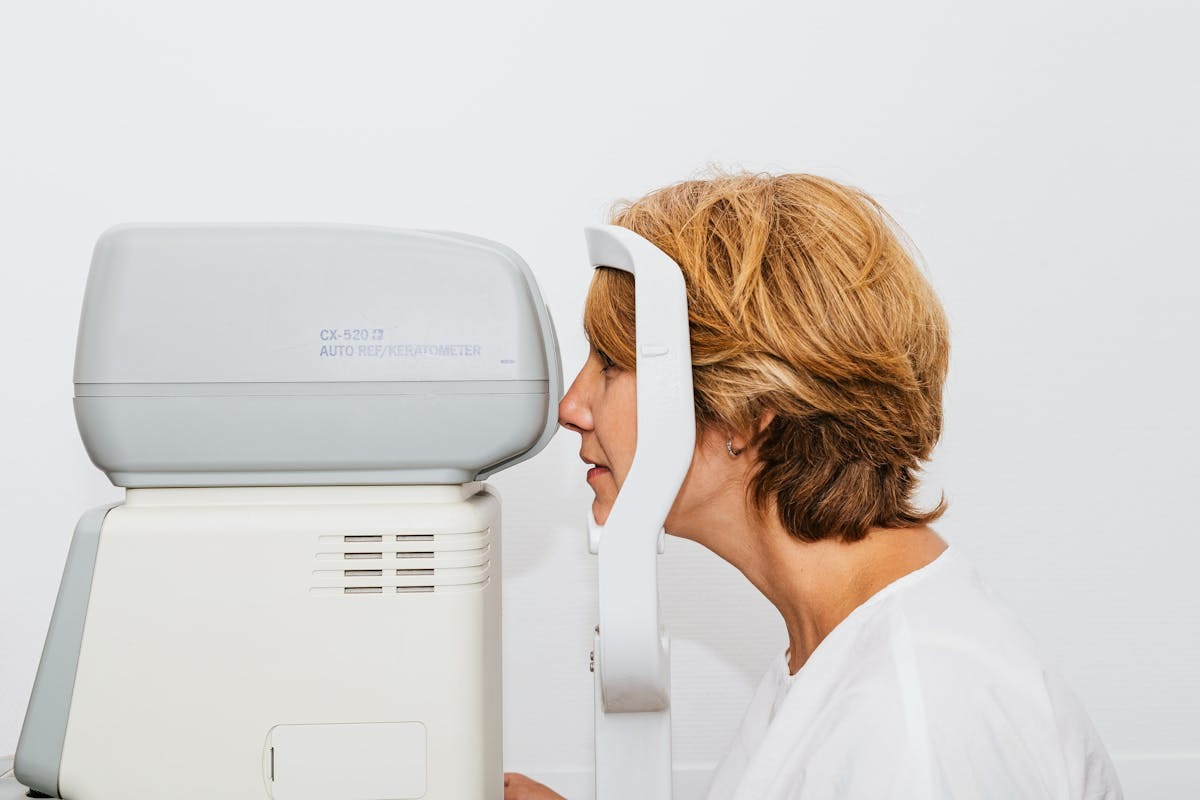
The examination itself typically progresses through several distinct phases. Preliminary tests measure eye pressure, assess peripheral vision, and evaluate how pupils respond to light changes. These screenings can detect early signs of glaucoma, neurological issues, and retinal problems before symptoms appear. The technology used has advanced significantly — many tests that once required uncomfortable procedures now use non-contact methods that feel less invasive.
Dilating drops represent the portion of the exam that causes most patient anxiety, yet they enable the most critical assessments. Once pupils are fully dilated, the eye care professional can examine the retina, optic nerve, and blood vessels in detail. This internal view reveals signs of diabetes, high blood pressure, macular degeneration, and other systemic conditions that show early symptoms in the eyes before affecting other body systems.
The refraction portion determines whether prescription changes are needed, but this goes beyond simply updating glasses or contact lens strength. Modern refraction techniques can identify subtle vision changes that might indicate developing cataracts, corneal irregularities, or other conditions requiring monitoring rather than immediate treatment.
Digital imaging has revolutionized how eye exams document and track changes over time. Retinal photographs, OCT scans, and corneal mapping create detailed baselines that allow practitioners to detect millimeter-level changes during future visits. This technological capability transforms eye exams from snapshot assessments to longitudinal health monitoring systems that can catch problems at their earliest, most treatable stages.
Common Eye Problems and Early Warning Signs
Glaucoma remains one of the most insidious threats to vision health, earning its reputation as the “silent thief of sight.” The condition typically begins by affecting peripheral vision so gradually that most people don’t notice until significant damage has occurred. Early-stage glaucoma rarely causes pain, redness, or obvious visual disturbances — symptoms that might prompt someone to seek care. Instead, the optic nerve deteriorates slowly while central vision remains sharp, creating a false sense of eye health security.
Macular degeneration presents different warning signs that many people attribute to normal aging. The condition often starts with slight blurriness when reading, difficulty seeing in dim lighting, or noticing that straight lines appear slightly wavy. Colors may seem less vibrant, or small blind spots might develop in central vision. These changes progress gradually enough that many individuals unconsciously adapt their behavior — holding reading material further away, requiring brighter lights, or avoiding night driving — without recognizing these adjustments as symptoms.
Diabetic retinopathy demonstrates how systemic diseases manifest through eye health changes. Blood sugar fluctuations damage the tiny blood vessels in the retina, but this process typically occurs without pain or obvious vision changes during early stages. Some people notice occasional blurred vision that seems to improve when blood sugar levels stabilize, leading them to dismiss it as a temporary inconvenience rather than a serious warning sign.
Cataracts develop so gradually that many people don’t realize how significantly their vision has declined until the condition reaches advanced stages. The lens clouding process typically begins with increased sensitivity to bright lights, difficulty seeing at night, or noticing halos around light sources. Colors may appear faded or yellowed, and frequent prescription changes might be needed as the cataract affects how light focuses on the retina.
Dry eye syndrome has become increasingly common, particularly among people spending more time on digital screens. The condition goes beyond occasional irritation — chronic dry eyes can cause corneal damage if left untreated. Warning signs include persistent burning or stinging sensations, feeling like something is stuck in the eye, excessive tearing that doesn’t provide relief, or vision that fluctuates throughout the day depending on blinking patterns.
How Lifestyle and Technology Affect Eye Health
Digital device usage has fundamentally altered how our eyes function throughout the day, creating new types of strain that previous generations never experienced. The average person now looks at screens for over seven hours daily, but it’s not just the duration — it’s how screen use changes natural blinking patterns and focusing behaviors. When concentrating on digital content, most people blink about one-third as often as normal, leading to increased tear film evaporation and dry eye symptoms that persist even when away from screens.
Blue light exposure from devices has generated significant concern, though the research shows more nuanced effects than many people realize. While blue light itself doesn’t cause permanent eye damage, it can disrupt sleep patterns and contribute to digital eye strain symptoms. The bigger issue involves how screens encourage prolonged close-up focus without regular breaks to look at distant objects — a pattern that can contribute to myopia progression, particularly in children and young adults.
Nutrition plays a more direct role in eye health than most people recognize. Diets rich in leafy greens, omega-3 fatty acids, and antioxidants like lutein and zeaxanthin provide building blocks for healthy retinal tissue. Conversely, diets high in processed foods and refined sugars can accelerate age-related macular degeneration and contribute to diabetic eye complications. The connection between cardiovascular health and eye health means that foods supporting heart health typically benefit vision as well.
Environmental factors specific to North Dakota create unique challenges for maintaining optimal eye health. Wind exposure increases tear evaporation rates, while UV reflection from snow can cause photokeratitis — essentially a sunburn of the cornea. Indoor heating systems during long winters create dry air conditions that exacerbate existing dry eye problems. Many residents don’t realize that sunglasses remain important during winter months when snow reflection can intensify UV exposure beyond summer levels.
Workplace ergonomics significantly influence long-term eye comfort and health. Computer screens positioned too close, too far, or at improper angles force eyes to work harder throughout the day. Poor lighting conditions — whether too dim or creating glare — compound these problems. The 20-20-20 rule suggests looking at something 20 feet away for 20 seconds every 20 minutes, but implementing this consistently requires conscious effort in most work environments.
Sleep quality affects eye health in ways that extend beyond feeling tired. During sleep, eyes produce tears that clear away debris and provide essential nutrients to corneal tissue. Insufficient or poor-quality sleep disrupts these natural cleansing processes and can worsen dry eye symptoms. Additionally, sleep positions that put pressure on eyes — such as sleeping face-down — can temporarily affect eye pressure and contribute to puffiness or irritation.
Benefits of Early Detection and Prevention Through Eye Exams
The window for effective treatment narrows dramatically once eye diseases reach symptomatic stages. Glaucoma treatment can halt further optic nerve damage but cannot restore vision already lost — making early detection the only path to preserving sight. Similarly, diabetic retinopathy treatments work best when blood vessel changes are caught before they affect central vision. This prevention-versus-repair dynamic means that regular monitoring represents the most powerful tool for maintaining lifelong vision.
Early detection also reveals systemic health conditions that might otherwise go unnoticed. Eye exams frequently identify diabetes, high blood pressure, autoimmune disorders, and even brain tumors before these conditions produce symptoms elsewhere in the body. This broader health screening value means that regular eye care contributes to overall wellness management in ways that extend far beyond vision preservation.
The financial implications of proactive eye care versus crisis intervention are substantial. Treating early-stage glaucoma with daily eye drops costs significantly less than the surgical interventions required once the disease advances. Preventing diabetic retinopathy progression through better blood sugar management and regular monitoring costs less than the laser treatments and injections needed once vision-threatening changes occur.
For Bismarck residents balancing healthcare priorities, regular eye exams offer exceptional value through their dual role as vision preservation and general health screening. The comprehensive nature of modern eye examinations means that a single appointment addresses multiple health concerns while establishing the baseline documentation necessary for detecting future changes at their earliest, most treatable stages.
