

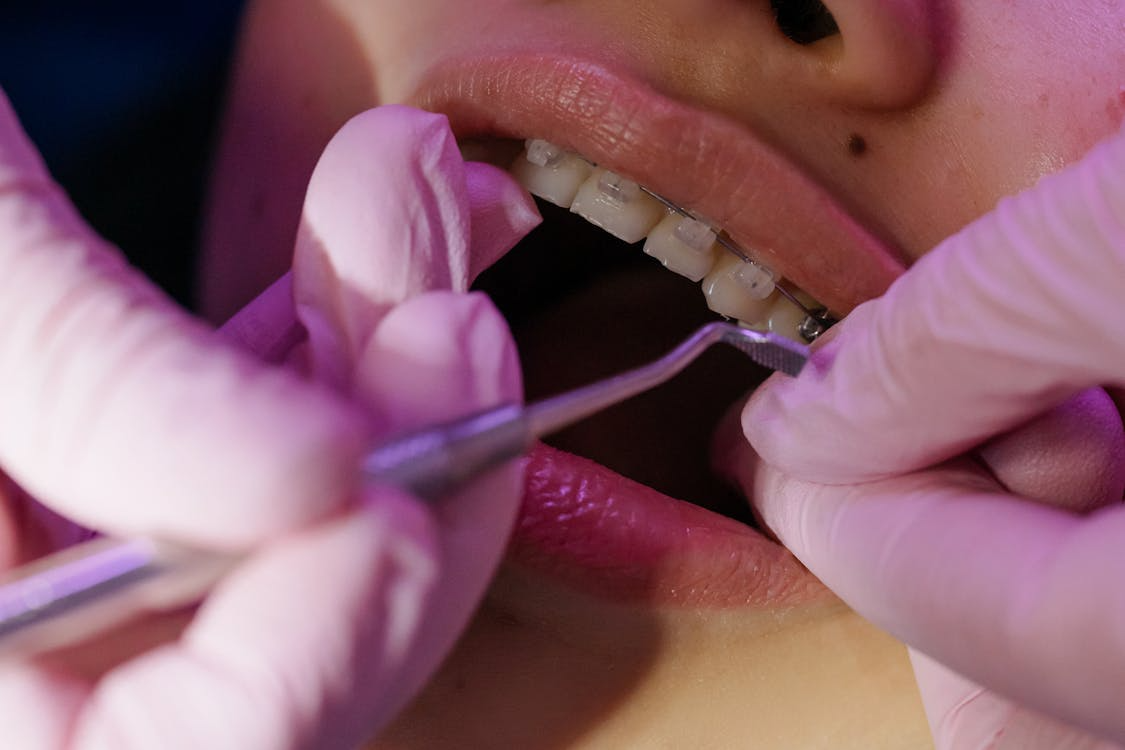
According to the American Association of Orthodontists’ 2023 data, approximately 4.5 million Americans are currently wearing braces, with adult treatment increasing by nearly 40% over the past decade. This surge reflects a fundamental shift in how we understand orthodontic care — not just as a cosmetic enhancement for teenagers, but as a health investment that pays dividends throughout life.
The timing matters more than most people realize. While many assume braces are primarily about achieving a “perfect smile,” the reality involves complex interactions between tooth alignment, jaw function, and long-term oral health that extend far beyond appearance. For teenagers, early intervention can prevent complications that become exponentially more difficult to address in adulthood. For adults, orthodontic treatment often represents the final piece in a comprehensive approach to oral wellness.
What makes this particularly relevant now is the expanding range of treatment options and our deeper understanding of how misaligned teeth contribute to everything from gum disease to digestive issues. The choice is no longer simply whether to pursue treatment, but understanding which approach aligns best with individual needs and life circumstances.
The following exploration reveals how braces influence physical health, facial development, psychological well-being, and the practical considerations that guide successful treatment decisions across different life stages.
How Braces Improve Oral Health and Function
The most significant benefit of braces extends far beyond cosmetics — properly aligned teeth create a foundation for lifelong oral health that becomes more crucial with each passing year. When teeth overlap, crowd together, or sit at awkward angles, they create spaces that even the most diligent brushing and flossing cannot reach effectively.
Plaque accumulation becomes inevitable in these hard-to-clean areas. Research from the Journal of Clinical Periodontology demonstrates that individuals with moderate to severe crowding show 60% higher rates of plaque retention compared to those with properly aligned teeth. This isn’t merely about appearance; accumulated plaque leads directly to gum inflammation, periodontal disease, and eventual bone loss around tooth roots.
Consider a teenager whose lower front teeth overlap significantly. Despite brushing twice daily, bacteria consistently accumulate where teeth touch at odd angles. Over months and years, this persistent irritation progresses from mild gingivitis to more serious periodontal problems that can affect the stability of teeth decades later. Braces eliminate these bacterial hiding spots by creating proper spacing and alignment.
Bite correction represents another critical health dimension. When upper and lower teeth don’t meet properly — whether due to overbite, underbite, or crossbite — the consequences extend throughout the oral and facial structures. Improper bite patterns create uneven pressure distribution during chewing, leading to premature wear on certain teeth while others remain underutilized.
This uneven loading pattern can trigger temporomandibular joint (TMJ) disorders, causing jaw pain, headaches, and difficulty opening the mouth fully. Additionally, when teeth don’t come together correctly, chewing efficiency decreases, potentially affecting digestion as larger food particles reach the stomach.
Jaw development in younger patients benefits tremendously from properly timed orthodontic intervention. As facial bones continue growing through the teenage years, braces can guide this development in favorable directions, ensuring adequate space for all teeth and proper jaw relationships that will remain stable throughout adulthood.
The cumulative effect of these improvements creates a positive cycle: better alignment leads to more effective cleaning, which reduces bacterial load, which decreases inflammation, which preserves bone and tissue health over time. This foundation proves invaluable as patients age and face the increased oral health challenges that naturally accompany the aging process.
How Braces Affect Facial Structure and Boost Confidence

The relationship between tooth positioning and facial appearance involves intricate connections that many people don’t fully grasp until they witness the transformation firsthand. When teeth move into proper alignment, they provide better support for the lips and cheeks, often creating subtle but meaningful changes to facial proportions and symmetry.
Facial support changes most noticeably around the mouth area. Protruding front teeth can push the lips forward, creating an unbalanced profile, while severely receded teeth may cause the lips to appear thin or the lower face to look collapsed. As braces gradually move teeth into ideal positions, the soft tissues of the face settle into more harmonious relationships.
Picture an adult whose upper front teeth angle sharply outward. Beyond the obvious dental concerns, this positioning affects how the upper lip rests, potentially creating an aged appearance or making the person appear to have difficulty closing their mouth comfortably. After orthodontic treatment moves these teeth to proper angles, the lip support improves dramatically, often taking years off the person’s apparent age.
Jaw relationships also influence facial balance significantly. When braces correct bite problems, they can enhance the projection and definition of the jawline, particularly noticeable in profile. Young patients especially benefit from these changes, as their facial development occurs alongside orthodontic movement, creating naturally harmonious results.
The psychological benefits of these physical changes often surprise patients with their intensity and persistence. Research consistently shows that people with aligned teeth smile more frequently and more broadly, creating positive feedback loops in social interactions. This increased willingness to smile affects everything from job interviews to dating relationships to everyday social confidence.
Adults frequently report that orthodontic treatment addresses insecurities they’ve carried for decades. One common pattern involves individuals who learned to smile with closed lips or to cover their mouth when laughing, habits that become so ingrained they persist even after successful treatment until patients consciously practice new behaviors.
The timing of treatment influences psychological outcomes differently across age groups. Teenagers often experience immediate social benefits as their treatment progresses, while adults may notice increased professional confidence and willingness to speak up in meetings or social situations. These changes frequently extend beyond the treatment period, as improved self-perception tends to create lasting behavioral changes.
Social research indicates that people with aligned teeth are perceived as more successful, intelligent, and trustworthy — unfair perhaps, but demonstrably true in multiple studies. While this shouldn’t be the primary motivation for treatment, these perceptual advantages can genuinely impact career and social opportunities throughout life.
Types of Braces and How to Choose the Best Option
Understanding the distinct characteristics of each dental braces treatment option helps patients make informed decisions based on their specific circumstances, aesthetic preferences, and treatment requirements. The choice between traditional metal braces, ceramic options, lingual systems, and clear aligners involves weighing factors that extend well beyond initial cost considerations.
Traditional metal braces remain the most efficient option for complex orthodontic problems, particularly cases involving significant rotation, vertical movement, or bite correction. The brackets and wires provide precise control over tooth movement in all directions, making them indispensable for severe crowding or major jaw alignment issues. Modern metal braces are considerably smaller and more comfortable than previous generations, with low-profile brackets that reduce irritation and colored elastic options that appeal to younger patients.
For teenagers dealing with complex orthodontic needs, metal braces often represent the fastest path to comprehensive results. The durability factor becomes particularly important for active adolescents who play sports or have difficulty maintaining dietary restrictions. Parents frequently choose metal braces when treatment efficiency and reliability take priority over aesthetic concerns.
Ceramic braces function identically to metal systems but use tooth-colored or clear brackets that blend with natural tooth enamel. This aesthetic advantage appeals particularly to image-conscious teenagers and working adults who want effective treatment with reduced visual impact. However, ceramic brackets are slightly larger than metal ones and more prone to staining if patients consume foods like coffee, tea, or tomato-based sauces regularly.
The decision between metal and ceramic often hinges on lifestyle factors and treatment duration. Patients with shorter treatment timelines may prefer ceramic for the aesthetic benefits, while those facing longer treatment periods might prioritize the durability and lower maintenance requirements of metal systems.
Lingual braces attach to the back surfaces of teeth, making them virtually invisible from the front. This option appeals strongly to adults in professional settings where visible orthodontic appliances might feel inappropriate. However, lingual systems require longer adjustment periods, may affect speech initially, and typically cost significantly more than traditional approaches. They work best for patients with adequate tooth size and relatively straightforward alignment needs.
Clear aligners like Invisalign offer removable treatment that appears nearly invisible during wear. This flexibility allows patients to remove aligners for important social events, professional presentations, or special meals. The system works exceptionally well for mild to moderate spacing issues, minor rotations, and certain bite problems. However, patient compliance becomes critical — aligners must be worn 20-22 hours daily for effective results.
Adults often gravitate toward clear aligners for the lifestyle convenience and professional discretion they provide. The ability to maintain normal eating habits and oral hygiene routines appeals to busy professionals and parents who want minimal disruption to established routines.
Age-specific considerations influence treatment choice significantly. Teenagers may benefit from the compliance advantages of fixed appliances, while adults often prefer the flexibility and discretion of removable options. Treatment complexity, duration estimates, and lifestyle demands should all factor into the decision-making process alongside aesthetic preferences and budget considerations.
The Right Time to Get Braces and How Long Treatment Takes
Timing orthodontic treatment strategically can dramatically influence both the complexity of the process and the quality of long-term results. The relationship between age, facial development, and tooth eruption patterns creates windows of opportunity that, when utilized effectively, can prevent problems from becoming more severe and harder to address.
Early intervention typically refers to treatment beginning between ages 7-10, when children still have a mix of baby and permanent teeth. This phase, called interceptive orthodontics, focuses on creating adequate space for permanent teeth and addressing bite problems while facial bones remain malleable. Early treatment can prevent permanent tooth extractions, reduce the likelihood of impacted teeth, and guide jaw growth in favorable directions.
Consider a child whose upper jaw appears narrow compared to the lower jaw. At age 8, a palatal expander can gradually widen the upper jaw using the body’s natural growth potential. This same correction attempted at age 16 would require significantly more complex treatment, possibly including surgery, because the growth plates have fused and bones can no longer be reshaped through gentle, consistent pressure.
Traditional treatment timing occurs during the teenage years, typically starting between ages 11-14 when most permanent teeth have erupted but facial growth continues. This timing balances the advantages of working with natural growth patterns against the social and practical considerations of high school life. Treatment during this period often achieves comprehensive results efficiently because the periodontal ligaments around tooth roots remain responsive to orthodontic forces.
Adult treatment has increased dramatically as awareness of health benefits has grown and treatment options have expanded. Adult cases often require different approaches because jaw bones have finished growing and may be denser, potentially slowing tooth movement. However, adult patients typically show excellent compliance with treatment protocols and maintenance requirements, leading to very stable long-term results.
Treatment duration varies based on the complexity of the case, the type of appliances used, and individual biological factors. Mild spacing issues might resolve in 12-18 months, while comprehensive bite correction could require 24-36 months. Adult treatment often takes slightly longer than teenage treatment due to slower cellular turnover in mature periodontal tissues.
Phase progression typically involves several distinct stages. Initial alignment addresses severe crowding or spacing, followed by bite correction to establish proper upper and lower tooth relationships. Fine-tuning movements complete the process, ensuring stable contacts between teeth and optimal function. Understanding this progression helps patients maintain realistic expectations and recognize progress even when changes seem subtle.
The critical insight for families considering treatment involves recognizing that delaying orthodontic evaluation doesn’t necessarily mean delaying treatment, but it can mean missing opportunities to address problems more simply. Regular monitoring allows orthodontists to recommend the optimal timing for each individual case, balancing effectiveness with convenience and minimizing overall treatment complexity.
Retention requirements following active treatment are equally important regardless of age. Teeth naturally tend to shift throughout life, making retainer use essential for maintaining alignment achievements. Adults who completed orthodontic treatment decades ago often seek retreatment because retention protocols were less well understood in previous generations.
The investment in properly timed orthodontic care creates benefits that compound over decades — easier oral hygiene, reduced risk of dental problems, improved function, and enhanced confidence that influences countless social and professional interactions throughout life. For both teenagers and adults, understanding these timing considerations helps ensure that orthodontic treatment delivers maximum value and lasting results.
The decision to pursue braces ultimately represents a commitment to long-term oral health and quality of life that extends far beyond the treatment period itself. As research continues to reveal connections between oral health and systemic wellness, the benefits of properly aligned teeth become increasingly clear — not just for appearance, but for the foundational role that good oral function plays in overall health and confidence throughout the decades ahead.
