


You wake up to your six-year-old’s morning hug, only to be hit with breath that seems far too unpleasant for someone so young. According to the American Dental Association’s 2023 pediatric health guidelines, persistent bad breath affects approximately 15% of children and often signals issues that go beyond simple morning mouth. As parents become more aware of oral health’s connection to overall wellness, understanding the root causes of pediatric halitosis has shifted from a minor concern to an important health indicator.
The challenge many families face is distinguishing between normal childhood breath variations and symptoms that warrant attention. A child’s developing oral microbiome, combined with inconsistent hygiene habits and frequent respiratory infections, creates a perfect storm for persistent odors. What complicates matters further is that children often can’t articulate when something feels wrong in their mouth, making parents the primary detectives in identifying underlying issues.
The stakes are higher than mere social embarrassment. Chronic bad breath in children frequently points to dental infections, respiratory problems, or systemic health issues that, left unaddressed, can impact everything from nutrition to sleep quality. Understanding what drives these odors — and when they signal something serious — gives parents the tools to protect both their child’s oral health and overall well-being.
What Are the Most Common Causes of Bad Breath in Children
The reality of childhood bad breath often starts with the basics: inconsistent oral hygiene combined with a child’s natural tendency to miss the hardest-to-reach spots. Unlike adults who’ve developed muscle memory for thorough brushing, children frequently skip their back molars and rarely clean their tongues properly. This creates an ideal environment for anaerobic bacteria to flourish, particularly in the deep grooves of permanent molars that begin appearing around age six.
Poor oral hygiene remains the leading culprit, but the mechanisms in children differ from adults. Kids produce less saliva during certain developmental stages, reducing their natural ability to wash away food particles and bacteria. When you combine this with their preference for sugary snacks and tendency to breathe through their mouths, the conditions for bacterial overgrowth become even more favorable.
Dental infections present another significant source, often developing silently in children who may not recognize or communicate tooth pain effectively. Cavities in baby teeth can harbor bacteria that produce sulfur compounds, creating persistent odors that brushing alone won’t eliminate. Similarly, early signs of gum inflammation — which can develop even in young children — contribute to bacterial imbalance and subsequent breath problems.
Tonsil stones and enlarged tonsils frequently go unrecognized as breath sources in children. These small, calcified deposits trap bacteria and food particles in the crypts of the tonsils, creating a potent source of odor. Many parents notice their child’s breath is particularly strong upon waking, when tonsil stones have had hours to accumulate bacteria overnight.
Mouth breathing — whether due to allergies, enlarged adenoids, or simply habit — dries out the mouth and allows bacteria to multiply unchecked. Children who consistently sleep with their mouths open often wake with notably bad breath that improves throughout the day as saliva production normalizes.
How Do Oral Health Habits Influence Children’s Breath
Building effective oral hygiene routines in children requires understanding how their developing motor skills and attention spans impact cleaning effectiveness. The foundation of fresh breath lies not just in frequency of brushing, but in technique and comprehensiveness that many families overlook.
Effective Brushing, Flossing, and Tongue Cleaning
Proper brushing technique makes the difference between surface cleaning and actual bacteria removal. Children under eight typically lack the dexterity to reach their back molars effectively, making parental supervision crucial during the critical years when permanent teeth are emerging. The key insight many families miss is that brushing duration matters less than coverage — a thorough two-minute session that hits every surface beats a rushed four-minute attempt that misses the molars.
Tongue cleaning often gets overlooked entirely, yet the tongue’s rough surface harbors more bacteria than teeth in many cases. Children’s tongues tend to have a thicker coating than adults’, particularly after sleeping with their mouths open. Teaching kids to gently brush or scrape their tongues removes the primary breeding ground for sulfur-producing bacteria that cause morning breath.
Flossing presents unique challenges for children, but its impact on breath quality is immediate and noticeable. Food particles trapped between teeth begin decomposing within hours, creating localized bacterial growth that spreads throughout the mouth. For younger children who struggle with traditional floss, water flossers or floss picks can provide easier alternatives while still removing trapped debris.
Role of Saliva and Regular Dental Checkups
Saliva production serves as the mouth’s natural cleaning system, but children’s saliva composition and flow rates differ from adults. During growth spurts, illness, or certain medications, saliva production can decrease significantly, allowing bacteria to accumulate more readily. Encouraging regular water intake and limiting mouth breathing helps maintain optimal saliva flow throughout the day.
Professional dental cleanings address bacterial buildup that home care cannot reach, particularly in the deep pockets around newly erupted permanent teeth. When families work with gentle pediatric dental services during these critical developmental years, early intervention can prevent the bacterial imbalances that lead to chronic breath problems. Regular checkups also catch developing cavities before they become infected and start producing the persistent odors that indicate deeper dental issues.
The timing of professional care matters significantly — children who establish consistent dental relationships early tend to develop better home hygiene habits and catch potential problems before they impact breath quality.
How Do Diet and Mouth Conditions Affect Children’s Breath Odor
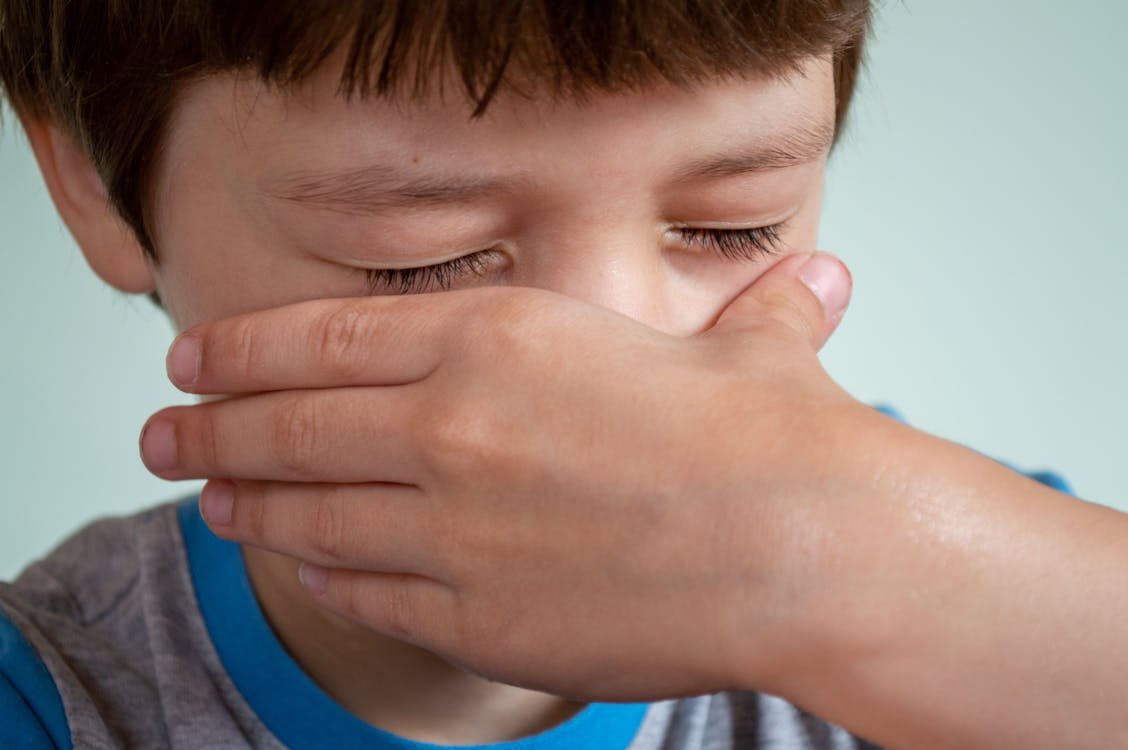
The connection between what children eat and how their breath smells extends far beyond the obvious culprits like garlic or onions. Children’s dietary patterns and eating behaviors create unique challenges for maintaining fresh breath throughout the day.
Sugary snacks and processed foods fuel bacterial growth in ways that many parents don’t fully appreciate. When bacteria in the mouth metabolize sugars, they produce acidic byproducts that not only erode tooth enamel but also create an environment where sulfur-producing bacteria thrive. The timing of these snacks matters too — children who graze throughout the day keep their mouths in a constant state of bacterial feeding, while those who eat at regular intervals allow saliva to neutralize acids between meals.
Dehydration plays a more significant role in childhood bad breath than most families realize. Children often ignore thirst cues, particularly during active play or school hours. When saliva production drops due to insufficient hydration, the mouth’s natural cleaning mechanism fails, allowing bacteria to multiply rapidly. This effect becomes particularly pronounced during illness, when fever and reduced fluid intake combine to create severely dry mouth conditions.
Chronic mouth breathing — whether from allergies, enlarged adenoids, or habit — fundamentally alters the oral environment. Children who breathe through their mouths lose the beneficial effects of nasal breathing, which naturally humidifies and filters air. Over time, this creates a chronically dry oral environment where bacteria flourish and beneficial saliva proteins become less effective.
Tonsil stones represent a particularly stubborn source of breath odor that many parents mistake for poor brushing habits. These calcified deposits form in the crypts of enlarged or naturally creviced tonsils, trapping bacteria and food particles that produce intense sulfur odors. Children with recurrent tonsillitis or naturally large tonsils are especially prone to this condition, which often requires medical evaluation rather than improved oral hygiene.
Nasal obstructions from allergies, enlarged adenoids, or structural issues force mouth breathing and create the dry conditions that promote bacterial overgrowth. During allergy seasons, many children experience a noticeable increase in breath odor that correlates directly with their congestion levels and tendency to sleep with open mouths.
When Does Bad Breath Signal Underlying Health Problems
Recognizing when a child’s bad breath indicates more than poor hygiene requires understanding the specific patterns and accompanying symptoms that point toward medical issues rather than simple oral care problems.
Tonsillitis, Sinus, and Throat Infections
Acute tonsillitis produces a distinctly different breath odor than typical morning mouth — often described as intensely sour or putrid. Children with bacterial tonsillitis typically exhibit additional symptoms like difficulty swallowing, visible white patches on their tonsils, and breath that worsens throughout the day rather than improving after brushing. The infected tissue itself becomes a breeding ground for bacteria that produces particularly strong sulfur compounds.
Chronic sinusitis creates persistent postnasal drip that feeds bacterial growth in the back of the throat and on the tongue. Children with ongoing sinus infections often have breath that smells metallic or musty, particularly in the morning when overnight drainage has accumulated. Unlike typical bad breath that responds to oral hygiene, sinus-related odors persist despite thorough brushing and often worsen during weather changes or allergy flare-ups.
Throat infections — including strep throat — can produce severe halitosis that parents notice before other symptoms become apparent. The infected throat tissue creates an environment where bacteria multiply rapidly, often producing breath so strong that it’s detectable from several feet away. These infections typically require medical intervention rather than improved oral care.
Other Medical Conditions and Medication Effects
Dry mouth from medications affects more children than many parents realize, particularly those taking antihistamines for allergies, ADHD medications, or certain antibiotics. These medications reduce saliva production significantly, creating conditions identical to chronic dehydration. Children on these medications often experience persistent bad breath that doesn’t respond to typical oral hygiene improvements and may require additional interventions like increased water intake or saliva substitutes.
Gastroesophageal reflux in children can produce breath that smells distinctly acidic or sour, particularly in the morning or after meals. Unlike typical bad breath that originates in the mouth, reflux-related odors come from stomach acid reaching the throat and mouth. Children with reflux often experience breath problems that worsen when lying down and may improve with dietary changes or medical treatment.
Diabetes and other metabolic conditions can produce distinctive breath odors — fruity or sweet smells that indicate ketone production. While rare in children, these conditions require immediate medical attention and represent serious underlying health issues rather than simple oral hygiene problems. The key distinguishing factor is the unusual sweet quality of the breath odor combined with other symptoms like increased thirst or frequent urination.
Respiratory infections beyond the throat and sinuses — including pneumonia or bronchitis — can create persistent breath odors as infected lung secretions affect the entire respiratory tract. These conditions typically present with additional symptoms like cough or breathing difficulties, but breath changes may appear before other signs become obvious.
What Does Research Reveal About Bad Breath in Children
Current research on pediatric halitosis reveals insights that challenge many traditional assumptions about childhood bad breath and point toward more effective prevention and treatment strategies. Understanding these evidence-based findings helps parents make informed decisions about when to seek professional help and what interventions actually work.
Prevalence studies indicate that chronic bad breath affects a larger portion of the pediatric population than previously recognized. Research from pediatric dental programs shows that approximately 23% of children aged 6-12 experience persistent halitosis that doesn’t resolve with improved oral hygiene alone. This data suggests that many cases involve factors beyond simple brushing habits, pointing toward the need for comprehensive evaluation rather than assuming poor home care.
Oral microbiome research has transformed understanding of how bacterial communities develop in children’s mouths. Recent studies demonstrate that children’s oral bacteria populations differ significantly from adults, with certain strains being more prevalent during specific developmental stages. The research reveals that Prevotella and Fusobacterium species — key contributors to sulfur production — establish themselves differently in children, often requiring targeted interventions rather than standard adult treatment approaches.
Long-term outcome studies provide compelling evidence for early intervention in pediatric bad breath cases. Children who receive comprehensive evaluation and treatment for persistent halitosis show significantly better oral health outcomes throughout adolescence, with lower rates of periodontal disease and fewer dental infections. Perhaps more importantly, research indicates that addressing childhood breath problems early prevents the social and psychological impacts that can affect children’s confidence and peer relationships.
Treatment effectiveness research has identified which interventions provide the most benefit for different types of childhood halitosis. Studies comparing various oral hygiene protocols show that tongue cleaning produces the most dramatic improvement in breath quality, often more than doubling the effectiveness of brushing alone. Additionally, research on professional treatments demonstrates that children benefit significantly from customized approaches that account for their developmental stage and specific bacterial profiles.
The evidence consistently points toward early professional evaluation for persistent bad breath in children, particularly when home care improvements don’t provide lasting results. Research shows that families who seek expert guidance within the first few months of noticing chronic breath problems achieve better long-term outcomes and avoid the progression to more serious oral health issues. For parents navigating these concerns, the scientific literature strongly supports comprehensive assessment over prolonged home treatment attempts when breath problems persist despite consistent oral hygiene improvements.
