

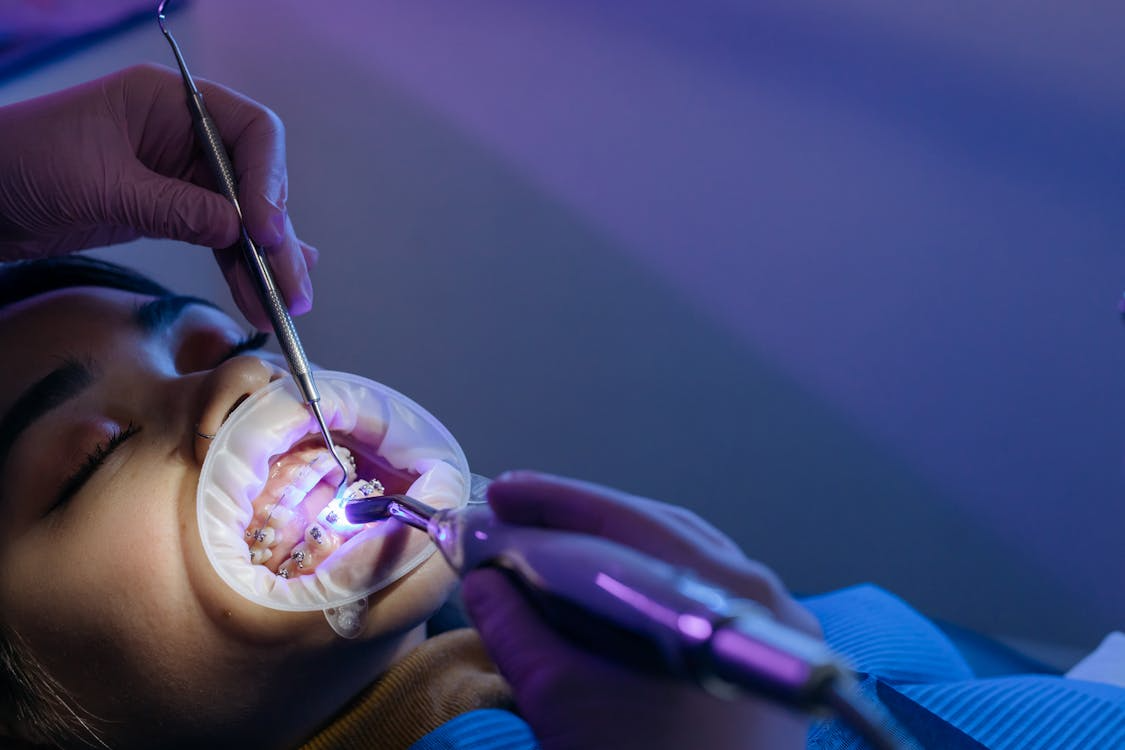
According to the American Association of Orthodontists’ 2024 patient survey, nearly 70% of children who receive early orthodontic intervention require less extensive treatment later — yet many parents still associate childhood braces with years of discomfort and dietary restrictions. As orthodontic technology rapidly evolves, the gap between outdated perceptions and modern reality continues to widen, particularly in pediatric care where comfort and cooperation directly impact treatment success.
The transformation happening in orthodontic offices across Yorktown Heights reflects broader shifts in how practitioners approach childhood development. Modern pediatric orthodontics prioritizes working with natural growth patterns rather than against them, using advanced materials and techniques that minimize discomfort while maximizing results. For families navigating decisions about their child’s oral health during these critical developmental years, understanding what’s actually involved in today’s treatments — versus the metal-mouth stereotypes of previous decades — can fundamentally change the entire experience.
This shift toward gentler, more effective care isn’t just about patient comfort. It’s reshaping when treatment begins, how long it takes, and what families can realistically expect throughout the process.
Why Early Pediatric Orthodontic Care Matters
Most parents don’t realize they’re looking at two completely different treatment windows when their child’s permanent teeth start coming in. The first opportunity opens around age seven, when the jaw is still growing and teeth are actively positioning themselves. Miss this window, and the second chance often requires more complex intervention during the teenage years when facial bones have largely finished developing.
Here’s what catches families off guard: that awkward phase when children have a mix of baby and permanent teeth isn’t just cosmetic — it’s providing crucial information about how the adult smile will develop. A pediatric orthodontist can spot potential crowding, bite problems, or jaw growth issues years before they become entrenched patterns requiring extensive correction.
The biological advantage of early intervention centers on interceptive orthodontics — gentle guidance that works with natural growth spurts rather than fighting against established structures. When orthodontists can harness a child’s rapid jaw development between ages 8-12, they often prevent problems that would otherwise require tooth extractions or surgical correction later. A child whose narrow upper jaw gets gradually expanded during peak growth years, for instance, may avoid years of complex treatment as a teenager.
Research from the American Journal of Orthodontics shows that children who receive Phase I treatment (early intervention) have significantly shorter Phase II treatment times — often 12-18 months instead of 2-3 years. More importantly, working with natural development patterns typically means fewer appointments, less discomfort, and better long-term stability. The jaw that’s gently guided into proper position at age nine stays there more reliably than one that’s forced into alignment at fifteen.
This timing advantage extends beyond just tooth positioning. Early orthodontic care can address functional issues like breathing problems, speech difficulties, and harmful oral habits while the child’s neuromuscular patterns are still forming. These interventions often have cascading positive effects on sleep quality, academic performance, and overall development that extend far beyond just creating a straight smile.
How Pediatric Orthodontists Tailor Treatments for Children
The moment a child walks into a pediatric orthodontist’s office, everything from the language used to the treatment approach differs fundamentally from adult orthodontics. Pediatric orthodontists complete additional years of specialized training focused specifically on craniofacial development, child psychology, and age-appropriate treatment modalities — expertise that shapes every aspect of care delivery.
Unique Assessment and Diagnosis Techniques
Modern diagnostic tools allow pediatric orthodontists to see developmental patterns invisible to traditional examination methods. 3D imaging technology captures not just current tooth positions but growth trajectories, showing practitioners how a child’s jaw will likely develop over the next several years. This predictive capability enables treatment plans that work with anticipated changes rather than reacting to problems after they’ve fully developed.
Growth monitoring involves tracking specific developmental markers that signal optimal treatment timing. Orthodontists evaluate factors like cervical vertebral maturation, hand-wrist radiographs, and facial proportion changes to identify growth spurts when interventions will be most effective. A treatment that might take two years if started during a growth plateau could be completed in 12-15 months when timed with peak developmental velocity.
Digital treatment planning software creates visual roadmaps showing parents exactly how treatment will progress. Instead of abstract explanations about tooth movement, families see step-by-step animations of their child’s specific case, making the entire process more tangible and less anxiety-provoking for both children and parents.
Child-Centered Communication and Psychological Considerations
Successful pediatric orthodontics requires translating complex dental concepts into language that makes sense to developing minds. Practitioners use age-appropriate analogies — comparing tooth movement to training wheels or describing appliances as “helpers” for teeth finding their proper homes. This communication approach reduces fear and builds cooperation essential for treatment success.
Managing childhood anxiety involves creating positive associations with orthodontic care from the very first visit. Many pediatric orthodontists structure initial consultations as educational experiences rather than clinical appointments, allowing children to explore instruments, see how appliances work, and ask questions in a non-threatening environment. When children understand what’s happening and why, they become active participants rather than reluctant patients.
The psychological component extends to recognizing developmental differences in motivation and compliance. Younger children respond well to immediate rewards and visual progress markers, while preteens may be more motivated by understanding how treatment affects their appearance and social interactions. Tailoring motivational approaches to cognitive development stages significantly improves treatment outcomes and reduces the need for multiple intervention attempts.
Modern Orthodontic Techniques That Enhance Comfort
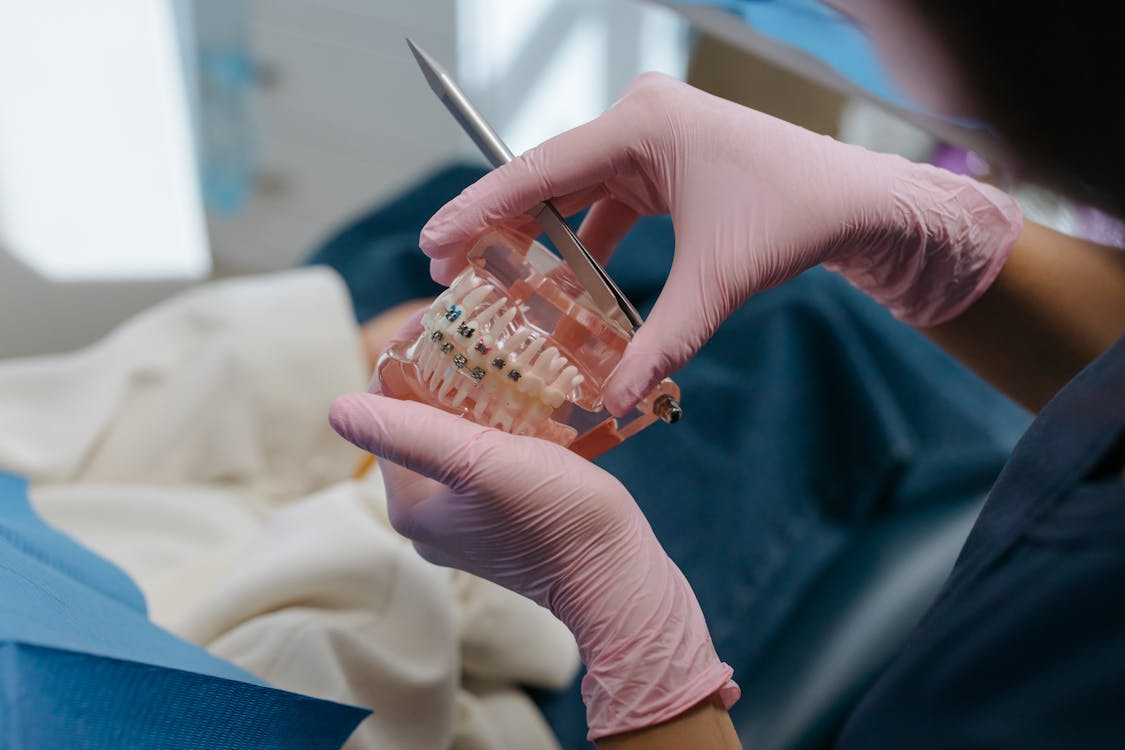
The technological revolution in orthodontics has fundamentally changed what “getting braces” actually means for today’s children. Clear aligners designed specifically for pediatric patients now address many conditions once requiring traditional metal brackets, offering virtually invisible correction for mild to moderate alignment issues. These removable appliances eliminate dietary restrictions and make oral hygiene significantly easier during treatment.
Advanced bracket systems, when traditional braces are necessary, use self-ligating technology that reduces friction during tooth movement. Instead of tight elastic ties that require frequent adjustments, these brackets allow teeth to move more freely with lighter forces. The result is often less discomfort between appointments and fewer emergency visits for broken components.
Smart wire technology represents another comfort breakthrough. These memory-activated wires apply consistent, gentle pressure that automatically adjusts to body temperature. Unlike traditional wires that deliver stronger forces initially and then weaken over time, smart wires maintain optimal pressure levels throughout the adjustment period, creating more predictable and comfortable tooth movement.
Interceptive appliances for younger patients focus on gentle expansion rather than forceful correction. Palatal expanders now use slower, more comfortable expansion protocols that work with natural growth patterns. Instead of dramatic daily adjustments, modern expansion appliances make gradual changes that integrate seamlessly with jaw development, often eliminating the pressure sensations associated with older techniques.
Digital monitoring systems allow orthodontists to track progress remotely, potentially reducing the frequency of in-office visits. Some practices use smartphone apps that let patients submit progress photos, enabling practitioners to adjust treatment schedules based on actual tooth movement rather than arbitrary appointment intervals. This personalized monitoring often identifies and addresses issues before they become uncomfortable problems requiring urgent intervention.
The integration of these comfort-focused technologies means that many children complete orthodontic treatment with significantly fewer negative associations than previous generations experienced. When treatment feels manageable rather than overwhelming, children are more likely to maintain excellent oral hygiene and compliance throughout the process.
What Families Can Expect During Pediatric Orthodontic Visits
The first pediatric orthodontic consultation typically unfolds more like an educational session than a clinical appointment. Practitioners usually begin by observing the child’s facial proportions, breathing patterns, and natural jaw positioning before examining teeth directly. This comprehensive assessment helps families understand that orthodontics addresses functional development, not just cosmetic alignment.
Modern appointment scheduling accommodates the reality of childhood development and family logistics. Many pediatric orthodontics practices offer flexible scheduling options, including before-school and after-school appointment times that minimize disruption to academic schedules. Some offices provide sibling coordination, allowing families with multiple children in treatment to consolidate visits when possible.
During active treatment phases, appointment experiences focus on positive reinforcement and education. Children often receive progress updates showing how their teeth have moved since the last visit, creating tangible evidence of improvement that maintains motivation. Many practices use reward systems that acknowledge compliance with wearing appliances, maintaining oral hygiene, or following dietary guidelines during treatment.
Communication with parents involves detailed explanations of what’s happening at each stage and what to expect before the next appointment. Practitioners typically provide written instructions for managing any discomfort, caring for appliances, and recognizing situations that require immediate attention versus those that can wait until the next scheduled visit.
Emergency protocols in pediatric orthodontics prioritize rapid problem resolution to prevent negative treatment associations. Most practices maintain same-day availability for urgent issues like broken brackets or lost appliances, understanding that unresolved discomfort can derail cooperation and treatment progress. For families working with a local orthodontic specialist, having accessible care when problems arise makes the difference between minor inconveniences and major treatment disruptions.
The overall appointment atmosphere emphasizes normalizing orthodontic care as a routine part of childhood healthcare. When children see orthodontic visits as regular check-ups rather than medical procedures, anxiety decreases and cooperation improves throughout the treatment process.
Research and Outcomes Supporting Early, Comfortable Treatments
Long-term studies consistently demonstrate that children who receive early orthodontic intervention maintain better oral health and more stable tooth positions into adulthood. Research published in the Journal of Clinical Orthodontics shows that patients treated during mixed dentition (ages 7-11) have significantly lower rates of root resorption and periodontal complications compared to those receiving comprehensive treatment during adolescence.
The evidence for comfort-focused treatment approaches reveals important connections between patient experience and clinical outcomes. Studies tracking treatment completion rates show that children in practices emphasizing comfort and communication have 92% treatment completion rates, compared to 78% in traditional approaches. This difference becomes crucial when considering that incomplete orthodontic treatment often leads to relapse and the need for retreatment.
Interceptive orthodontics research demonstrates measurable benefits beyond just shorter treatment times. Children who receive early intervention show improved breathing patterns, better sleep quality, and enhanced academic performance during treatment years. These functional improvements often persist long after orthodontic treatment ends, suggesting that optimal jaw development during childhood creates lasting health benefits.
Recent outcome studies challenge several persistent misconceptions about pediatric orthodontics. Contrary to older beliefs that children should wait until all permanent teeth erupt, research shows that early treatment often prevents the need for permanent tooth extractions and reduces overall treatment complexity. The myth that early treatment always requires two phases has also been dispelled — many children who receive timely interceptive care need minimal or no additional treatment during adolescence.
Cost-effectiveness analyses demonstrate that early intervention typically reduces total treatment expenses compared to delayed comprehensive treatment. When orthodontic problems are addressed during optimal developmental windows, the reduced treatment complexity, shorter duration, and decreased likelihood of retreatment create significant economic advantages for families.
The research consistently points toward a fundamental shift in orthodontic philosophy: working with natural development patterns during childhood creates more predictable, comfortable, and stable results than waiting to correct established problems during adolescence. For families in Yorktown Heights considering orthodontic care, this evidence-based approach represents a compelling case for early evaluation and intervention when indicated.
Rather than viewing early orthodontic consultation as rushing into treatment, current research positions it as the most conservative approach — one that preserves natural development potential and often prevents the need for more extensive intervention later. Understanding these evidence-based benefits can help families make informed decisions about timing orthodontic care for optimal outcomes.
